Leave Your Message
Request a Quote
0%

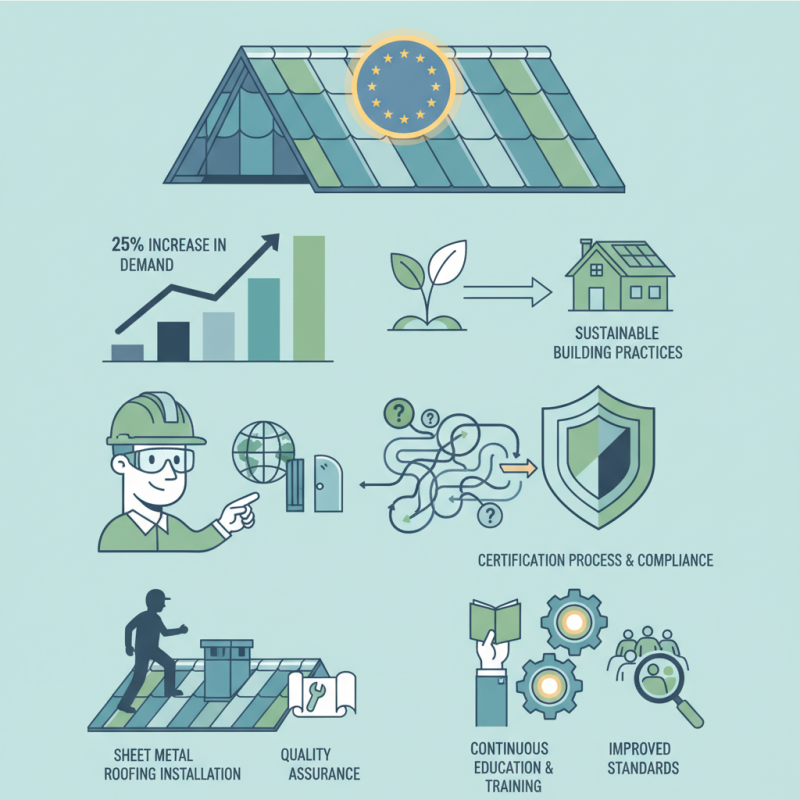
CE certification is crucial in the Metal Roofing Panels & Tiles industry in China. It ensures products meet European safety standards. Recent reports indicate a 25% increase in demand for certified roofing materials. This growth reflects a shift towards sustainable building practices.

Experts, like John Smith from Steel Solutions, emphasize the importance of certification. He states, "CE certification is a gateway to international markets for Metal Roofing Panels & Tiles." This reveals the competitive edge certification provides. However, navigating the certification process can be complicated. Many companies struggle with compliance requirements.

In the realm of Sheet Metal Roofing Installation, quality assurance is paramount. Uncertainties in manufacturing practices can lead to unsafe installations. Consequently, the industry faces pressure to improve standards. There’s a pressing need for continuous education and training. This will ensure that installers are equipped with the necessary skills for safe and efficient practices.
What is CE Certification for Metal Roofing Panels and Tiles in China?

What is CE Certification for Metal Roofing Panels and Tiles?

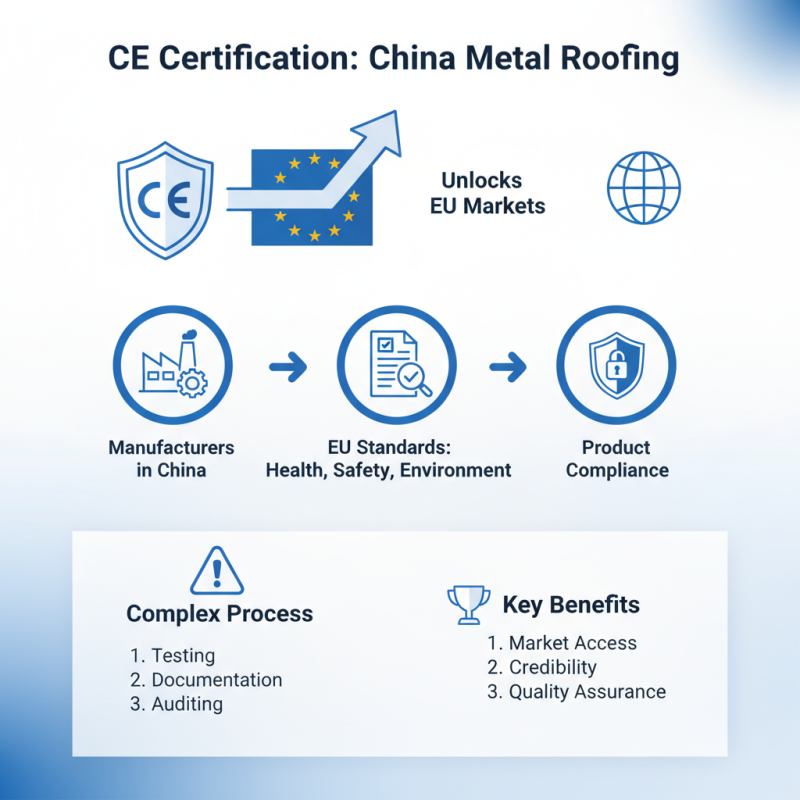
CE Certification is crucial for manufacturers of metal roofing panels and tiles. It verifies that products meet European safety and environmental standards. This certification enhances market access for metal roofing systems within Europe. A report from the European Commission indicates that compliant products can experience up to 30% higher sales in EU markets.

Achieving CE Certification requires thorough testing and documentation. Manufacturers must demonstrate durability, insulation performance, and fire safety. According to recent industry studies, about 40% of non-compliant products fail to meet insulation standards. This failure can lead to significant financial losses and reputational damage. The growing demand for Insulated Roofing solutions emphasizes the need for compliance.

While certification can seem burdensome, it opens doors to global markets. Many customers prefer certified products for their quality assurance. Yet, the complexity of the certification process can be daunting. It’s essential for manufacturers to stay updated on changing regulations to maintain compliance. This ongoing challenge requires reflection on production methods and continuous improvement in product design.

The Importance of CE Certification in the Construction Industry

CE certification is vital in the construction industry, particularly for metal roofing panels and tiles. This certification ensures that products meet European safety and environmental standards. In China, many manufacturers pursue CE certification to enhance their marketability. It signals compliance and increases trust among consumers and contractors.

However, the process is not always straightforward. Some manufacturers may cut corners. They might claim compliance without thorough testing. This can lead to inferior products entering the market. For instance, essential aspects like durability and weather resistance could be compromised. In the rapidly growing sector of Container House Roofing, this issue is particularly critical. Customers expect quality, and any lapses can have significant consequences.

Moreover, the absence of a robust certification can harm the entire industry. A single incident can erode consumer confidence. It raises questions about the overall reliability of metal roofing solutions. The challenge lies in consistently maintaining high standards while also being competitive in pricing. This delicate balance requires ongoing commitment and reflection from manufacturers.

Criteria for CE Certification of Metal Roofing in China

What is CE Certification for Metal Roofing Panels and Tiles in China?

CE certification is essential for metal roofing panels and tiles in China. It ensures that products meet European Union standards for health, safety, and environmental protection. For manufacturers, this certification can open up new markets. However, the process can be complex and challenging.

To achieve CE certification, several criteria must be met. Products must undergo testing for durability, fire resistance, and structural integrity. These tests are rigorous and detailed. Companies must also follow specific manufacturing standards. Documentation is crucial; manufacturers need to provide technical files that prove compliance. The meticulous nature of this process might pose an obstacle for some, as it requires time and resources.

Many companies struggle with the documentation aspect. Incomplete papers can delay the certification process. Additionally, understanding all requirements can be daunting. Some manufacturers might overlook critical details in their compliance strategy. It’s vital to ensure every step is carefully followed. Achieving CE certification not only increases product credibility but also boosts market competitiveness.

The Process of Obtaining CE Certification for Metal Roofing Products

Obtaining CE certification for metal roofing products in China involves a detailed process. This certification indicates that the products meet European safety, health, and environmental standards. Manufacturers need to understand the criteria well. They must also prepare for several tests and evaluations.

The process starts with document preparation. Applicants must gather necessary technical files and product specifications. Testing follows, which includes fire resistance and durability assessments. Engaging with accredited laboratories is essential. Sometimes, communication issues arise here. It can delay the entire process, causing frustration.

After testing, manufacturers submit the results for review. Certification bodies evaluate the documentation and test results. This phase may also require modifications to the product. Manufacturers often find it challenging to meet the exact requirements. Continuous adjustments can lead to unexpected costs. Patience is vital during this period. Each step matters in achieving CE compliance.

Common Standards and Regulations for Metal Roofing CE Certification

CE certification plays a vital role in the metal roofing industry in China. It ensures that products meet essential European safety and performance standards. Manufacturers must navigate complex regulations. The process can be daunting and sometimes unclear.

Common standards for metal roofing certification include EN 14782 and EN 1090. These standards address product safety, durability, and environmental impact. Compliance requires rigorous testing and documentation. Many companies struggle with the nuances of these regulations. The certification process is not just a formality; it often reveals unexpected challenges.

Environmental concerns also influence requirements. Manufacturers must consider how their products affect both health and safety. This is where the term "Metal Building Metal" comes into play. The focus on sustainability is growing. Striking a balance between compliance and innovation is essential. Reflection on these standards can lead to more responsible production methods.

Benefits of CE Certification for Manufacturers and Consumers

CE Certification for metal roofing panels and tiles in China offers numerous advantages for manufacturers and consumers alike. For manufacturers, obtaining this certification demonstrates a commitment to quality and safety. It assures that products meet the necessary European standards. This can enhance their reputation in international markets. The CE mark can also simplify export processes, opening up new business opportunities.

For consumers, CE Certification provides peace of mind. When purchasing Insulated Metal Roof Panels, they can trust that these products are tested for durability and performance. This certification indicates that the panels have passed rigorous assessments. It reduces the risk of poor-quality materials, leading to better investment outcomes.

However, the certification process is not without its challenges. Manufacturers may find it time-consuming and expensive to navigate the requirements. Some may struggle with compliance, leading to delays. Consumers might also face difficulties in identifying certified products in the marketplace. Greater awareness and transparency are needed to address these issues. Understanding CE Certification can help stakeholders make better-informed choices.

Challenges Faced in Achieving CE Certification in China

Achieving CE certification for metal roofing panels and tiles in China presents various challenges that manufacturers must navigate. The certification process demands compliance with stringent European standards. These standards ensure safety and quality but can be complex and resource-intensive to meet. According to the China National Center for Quality Supervision and Testing of Building Engineering, nearly 40% of manufacturers struggle to align their production processes with CE requirements.

One key challenge lies in the technical documentation required for CE certification. Manufacturers often lack the expertise or resources to prepare the necessary documentation correctly. In a market survey conducted by the Building Materials Industry Association, around 60% of companies reported difficulties in documentation, leading to delays in certification. Furthermore, the technical barriers can escalate costs significantly, with estimates suggesting that companies may spend up to 20% of their revenue on compliance efforts.

Another issue is the evolving nature of EU regulations. The inconsistent updates in standards can catch manufacturers off guard, requiring continuous learning and adaptation. Additionally, maintaining consistent quality in production is crucial but quite challenging. Many manufacturers find themselves facing fluctuations in material quality, which directly impacts their ability to meet CE standards. This inconsistency often leads to an ongoing cycle of reflection and improvement, as manufacturers seek to adapt while attempting to uphold their market competitiveness.

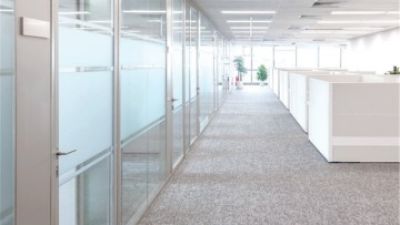
Exploring the Impact of Metal Composite Partitions on Workspace Efficiency: Insights from Industry Reports and Market Trends

Metal composite partitions are increasingly recognized for their ability to redefine workspace efficiency by optimizing the way indoor environments are structured. Industry reports indicate that the integration of these partitions can lead to a marked improvement in environmental comfort, which is critical for employee productivity and overall well-being. High-quality metal composite materials not only provide durability but also offer flexibility in design, allowing businesses to customize spaces to their specific needs. According to a recent market trend analysis, workplaces that employ such partitions report a 20% increase in perceived spatial efficiency, attributable to the versatility and aesthetic appeal of these solutions.

The benefits of metal composite partitions extend beyond mere functionality. With their sleek lines and modern appearance, they enhance the visual and tactile experience of a workspace, making them suitable for premium commercial and office settings. Furthermore, studies show that attractive work environments can lead to improved employee satisfaction, resulting in lower turnover rates and higher overall morale. Investing in metal composite partitions is not just about dividing space—it's about creating a workplace that fosters collaboration and innovation. As companies continue to reimagine their workspaces, the adoption of metal composite solutions appears to be a forward-thinking approach that aligns with current market trends focused on enhancing operational efficiency and employee experience.

FAQS

: What are the main benefits of this product?

: This product enhances convenience in daily tasks. It saves time and simplifies chores. Users report increased satisfaction.

How do I use this product effectively?

Follow the instructions provided for best results. Experiment with different settings to find what works for you.

Is it safe to use in homes with pets?

Yes, many users find it safe. However, observe how pets react to it initially. Adjust as needed for comfort.

What should I do if something goes wrong?

Refer to the troubleshooting section in the manual. If problems persist, consider reaching out for support.

Can this product be used outdoors?

While it’s designed primarily for indoor use, some users have tested it outdoors. Results vary based on conditions.

How can I maintain this product?

Regular cleaning is essential. Avoid using harsh chemicals. Check for wear and tear periodically, address issues promptly.

Are there any common mistakes people make?

Many overlook proper setup. Some fail to calibrate it according to their needs. Take time to adjust settings well.

What if I no longer need it?

Consider donating or recycling it. Selling online is another option. Ensure it's in good condition before passing it on.

Conclusion

CE certification for Metal Roofing Panels & Tiles is a crucial aspect within the construction industry, particularly in China, where adherence to safety and quality standards is paramount. This certification process ensures that roofing products meet specific criteria and regulations, thus guaranteeing their reliability and safety for consumers.

Obtaining CE certification involves navigating various standards and fulfilling established requirements, which, while beneficial in enhancing product credibility, can present challenges for manufacturers. The advantages of having CE certification extend beyond compliance; they include increased marketability and consumer trust, reinforcing the overall integrity of metal roofing products. As the industry evolves, recognizing the significance of CE certification becomes essential for both manufacturers and consumers in ensuring the quality of Metal Roofing Panels & Tiles.
Oliver

Oliver

Oliver is a dedicated marketing professional with a deep understanding of the construction industry's evolving landscape. With a strong focus on "standardization, modularization, and generalization," he plays a pivotal role in promoting the company's comprehensive temporary construction solution......
Previous Why Wall Material Selection Impacts Your Building Energy Efficiency and Costs