You know, the demand for Cleanroom Doors is really picking up across different industries these days. Companies in China are definitely stepping up to meet this growing need. These doors are pretty important—they help keep controlled environments just right, with features like airtight seals and strong durability. It’s impressive how Chinese manufacturers are starting to lead the way in this space. Brands like Hubei Hengtian and Jiangsu Suyuan stand out quite a bit, and their products are designed to make things cleaner and more efficient. That said, the quality and certifications can vary quite a lot from one to another. Many companies are shooting for CE certification, but not everyone really hits the mark. Sometimes, they cut corners on materials or skip on proper design standards, which can affect how well the doors actually perform. So, if you’re looking to buy, it’s super important to do your homework and carefully check out your options. Thinking things through honestly makes all the difference when you want your cleanroom to run smoothly and efficiently.
Overview of Cleanroom Doors and CE Certification in China
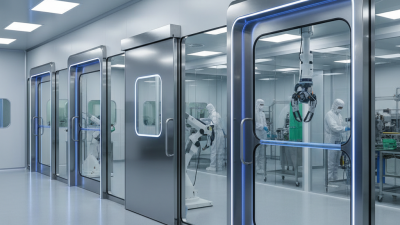
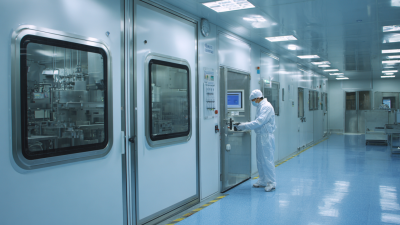
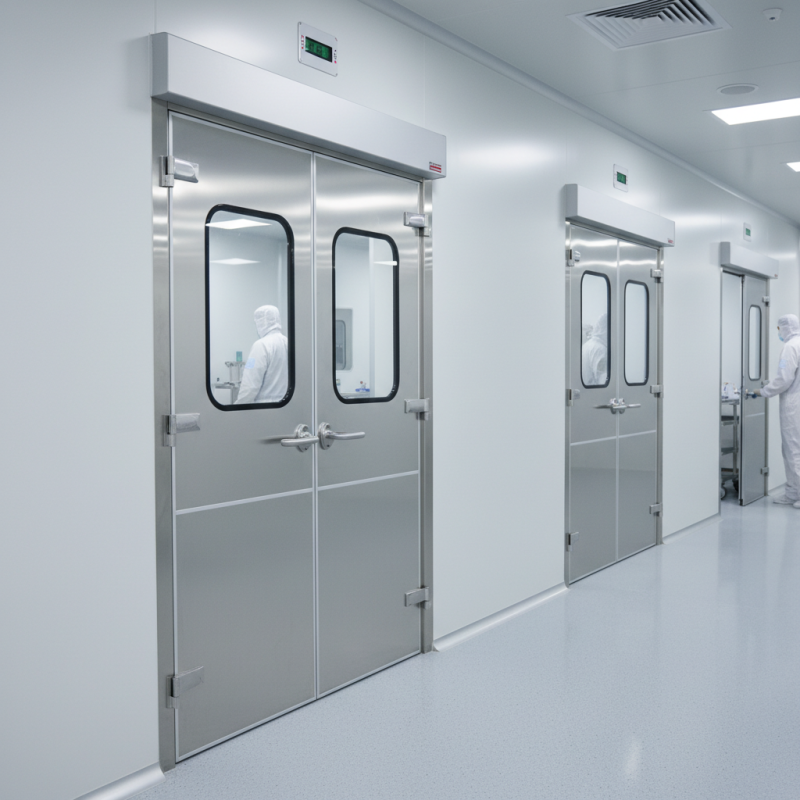
Cleanroom doors are essential in maintaining a controlled environment. These doors help prevent contamination in sensitive areas like laboratories and manufacturing plants. The design of cleanroom doors varies, but they often use materials that are easy to clean and resistant to chemicals. Proper sealing is another key feature. It minimizes airflow, maintaining the integrity of the cleanroom.
In China, the CE certification is crucial for cleanroom doors. This certification ensures that products meet European safety and health standards. Many manufacturers seek this approval to compete globally. However, the certification process can be challenging. Some companies may struggle to meet strict regulations. It's a significant investment, and not all succeed on the first attempt.
While many doors are compliant, some may still fall short. This raises questions about quality control and consistency in manufacturing. Industry players need to reflect on their processes. Continuous improvement is essential to ensure all products are up to standard. The future of cleanroom doors in China depends on adhering to these principles.
Key Features and Standards of Quality Cleanroom Doors
Cleanroom doors are crucial in maintaining controlled environments. They prevent contamination and ensure compliance with industry standards. Quality cleanroom doors must meet specific features like airtight seals and durability. A well-designed door minimizes any air leakage. This ensures that the cleanroom maintains its required clean atmosphere.
Materials used in cleanroom doors greatly affect performance. Stainless steel is popular for its resistance to corrosion and ease of cleaning. However, some may overlook the importance of door finishes. Smooth surfaces are easier to sanitize but can be more expensive. Choices often lead to trade-offs between cost and effectiveness.
Another consideration is the door's frame. A robust frame prevents warping and misalignment. This is essential for proper sealing. Some companies may not prioritize frame quality, leading to future issues. A reflection on past choices can help improve future designs. In cleanroom construction, every detail counts.
Top CE Certification Cleanroom Doors Companies in China Guide - Key Features and Standards of Quality Cleanroom Doors
| Dimension |
Material |
Insulation |
Standard Compliance |
Application |
Lead Time |
| Width: 1200mm, Height: 2100mm |
Stainless Steel |
Polyurethane Foam |
ISO 14644-1 |
Pharmaceuticals |
4-6 weeks |
| Width: 1500mm, Height: 2200mm |
Aluminum |
Honeycomb Core |
EU GMP |
Electronics |
6-8 weeks |
| Width: 1000mm, Height: 2000mm |
Glass Composite |
Polystyrene |
Class 10,000 |
Cleanrooms |
2-3 weeks |
| Width: 1200mm, Height: 2500mm |
Steel |
Fiberglass |
HACCP |
Food Industry |
3-5 weeks |
Top Factors to Consider When Choosing Cleanroom Door Suppliers
When selecting cleanroom door suppliers, several factors come into play.
Product quality is crucial. Look for doors that meet strict cleanliness standards.
The materials should resist contamination. Consider the manufacturing process. A well-documented process can ensure consistency.
Customization options are also important. Different industries have specific requirements.
Some might need doors designed for high-pressure conditions. Others may require doors with unique dimensions.
Flexibility in design shows a supplier's capability.
Don’t overlook customer service. A responsive support team can make a difference.
Delays in communication can lead to costly mistakes. Check reviews and feedback from past clients.
This can reveal a lot about a company's reliability.
Additionally, think about pricing. The cheapest option isn’t always the best.
Sometimes, higher costs represent better quality or service. Weigh value against price carefully.
It's a balance that requires thought.
Leading Companies in the Cleanroom Door Industry in China
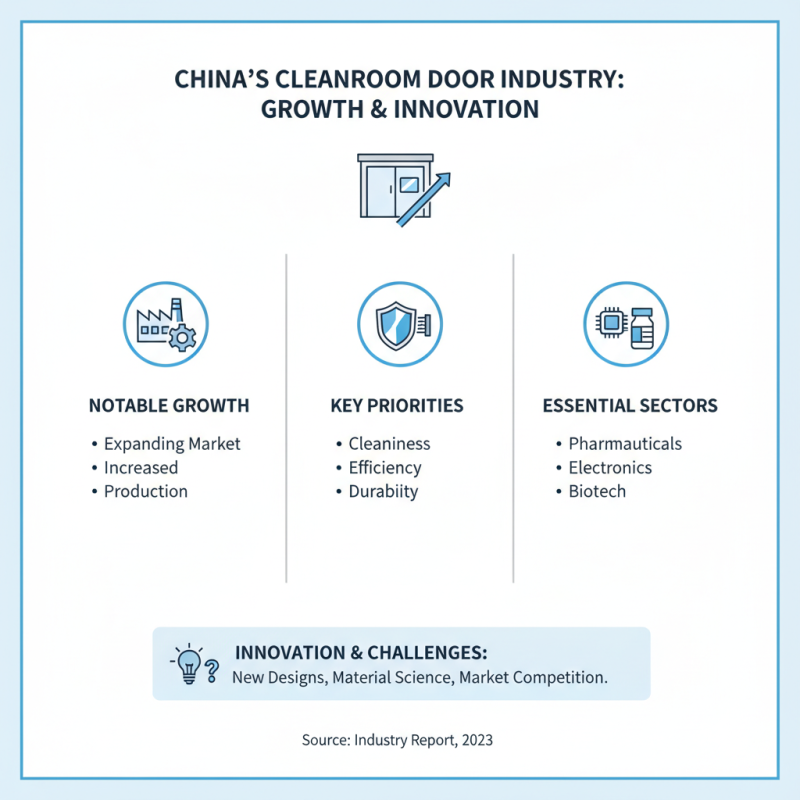
The cleanroom door industry in China has experienced notable growth. Companies strive to produce doors that prioritize cleanliness and efficiency. These doors are essential in various sectors, including pharmaceuticals and electronics. High-quality materials are commonly used, ensuring durability and effectiveness. Many firms are experimenting with innovative designs, but challenges remain.
While the market is competitive, some companies may lack the resources to invest in advanced technology. This can result in inconsistencies in production quality. Not all manufacturers adhere to strict cleanroom standards, which raises concerns. Potential buyers should prioritize those with certifications to ensure compliance.
Cleanroom doors vary widely in design and functionality. Some feature automatic opening mechanisms for convenience. Others may include specialized seals to prevent contamination. However, choosing the right type of door can be complex. Not every supplier understands the unique needs of each sector. This highlights the importance of thorough research before making decisions.
Comparative Analysis of Products from Top Cleanroom Door Companies
When choosing cleanroom doors, various factors come into play. Cleanroom doors must meet specific standards tailored for controlled environments. Top companies in this sector offer a range of products that vary in material composition, functionality, and design. According to a recent industry report, approximately 65% of cleanroom failures stem from inadequate sealing or door integrity.
The analysis of leading cleanroom door manufacturers reveals that materials like stainless steel and special polymers are favored. These materials provide durability and resistance to contamination. Many products have been rated for their thermal and acoustic insulation properties as well. However, only about 30% of companies utilize customizable options that cater to unique cleanroom requirements. Feedback indicates that better customization can enhance user satisfaction.
Moreover, energy efficiency is becoming a priority. Research shows that energy-efficient doors can reduce operational costs by up to 20%. Despite this, not all manufacturers prioritize eco-friendly designs. Even in competitive markets, there appears to be a gap in the integration of sustainability with cleanroom technology. Buyers must weigh their choices carefully, considering both immediate needs and long-term impacts.
Recent Innovations and Trends in Cleanroom Door Manufacturing
The cleanroom industry has seen significant changes recently. Innovations in door manufacturing enhance functionality and maintain cleanliness. Advanced materials are now commonly used. For example, some doors feature high-performance polymers that resist contamination. This is crucial in environments like pharmaceuticals and biotechnology.
Moreover, automation is influencing door systems. Many manufacturers are developing systems that can be operated hands-free. This is particularly useful in maintaining sterile conditions. These automated systems reduce human errors. However, there are concerns about reliability and maintenance.
Sustainability is also becoming a key focus. Some companies are exploring eco-friendly materials for their doors. This shift raises questions about durability and cost. Balancing sustainability with performance continues to be a challenge. As these trends evolve, the industry must adapt and rethink its approaches.
Building Relationships with Cleanroom Door Suppliers in China
Building relationships with cleanroom door suppliers in China requires careful attention and strategic steps. Communication is key. Engage in dialogue and clarify your specific needs. Directly expressing your requirements fosters mutual understanding. Sometimes, misunderstandings occur due to language barriers. Patience is essential in these discussions. It’s also vital to conduct due diligence. Research potential suppliers thoroughly. Understanding their capabilities and past projects will help you make informed decisions.
Quality assurance should always be a priority. Discuss the standards they follow for cleanroom doors. Ask about their compliance with international certifications. Many companies may overstate their acumen. It’s important to verify claims to ensure product reliability. Testing samples could also bring clarity to any uncertainties.
Meet personnel in person if possible. Face-to-face interactions can build trust. You may attend trade shows or industry events. Networking with suppliers can open new doors for cooperation. Relationships take time to nurture. Be prepared for setbacks and adjustments. Not every partnership will be perfect. Keep communication lines open to adapt to evolving needs.
Top CE Certification Cleanroom Doors Market Analysis
Enhancing Patient Care: Features and Benefits of Durable Medical Lavatory Doors for Hospitals & Clinics
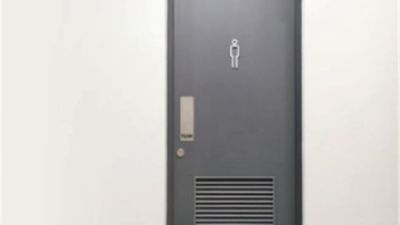
Durable medical lavatory doors are essential fixtures in hospitals and clinics, providing both functionality and reliability in patient care settings. With a door leaf thickness ranging from 40mm to 50mm and steel plate thicknesses of 0.8 to 1.0mm, these doors are designed to withstand high traffic while ensuring privacy and safety for patients and staff. The robust construction includes a door frame steel plate thickness of 1.5mm and a frame thickness of at least 1.0mm, allowing these doors to endure the rigors of a medical environment.
One of the critical features of these medical lavatory doors is their sound insulation performance, achieving a rating of Rw = 33dB, which significantly enhances patient comfort by minimizing noise transfer. Additionally, these doors comply with anti-collision standards and boast an excellent heat transfer coefficient of K = 2.8W/(㎡.k), ensuring a comfortable environment for users. The internal padding options include high-strength paper honeycomb or aluminum honeycomb, providing added durability and insulation. With a maximum size of 1250mm by 2500mm for single doors, they can fit a variety of spaces, offering a practical solution for any healthcare facility focused on enhancing patient care.
FAQS
: Symptoms include restlessness, rapid heartbeat, and difficulty concentrating. You might feel tired unexpectedly.
Techniques like deep breathing, regular exercise, or talking to someone can help. Reflection is key here.
Quality sleep supports emotional regulation. Lack of sleep can worsen anxiety and stress levels.
Yes, certain foods can boost or lower mood. A balanced diet reflects in your emotional state.
Take a step back. Try to identify triggers. Break tasks into smaller parts; it helps.
Yes, everyone experiences sadness. It's a natural emotion, but long-term sadness needs attention.
Focus on your strengths. Celebrate small wins. Challenge negative thoughts regularly; this can be tough.
If emotional pain persists or interferes with daily life. Don’t hesitate; seeking help is brave.
Yes, mindfulness helps you stay present. Regular practice may lead to better stress management.
Exercise releases endorphins, improving mood. It can feel hard to start, but the benefits are significant.
Conclusion
The article provides a comprehensive guide on Cleanroom Doors and the essential CE Certification in China, highlighting their significance in maintaining sterile environments. It outlines key features and quality standards that define the effectiveness of these doors, ensuring they meet rigorous safety and performance criteria.
When selecting Cleanroom Door suppliers, the article emphasizes critical factors such as compliance with industry standards, durability, and manufacturer reliability. Additionally, it reviews leading companies in the Chinese cleanroom door industry, offering a comparative analysis of their products. The guide also delves into recent innovations and trends shaping cleanroom door manufacturing, while underscoring the importance of building strong relationships with suppliers to ensure optimal solutions for cleanroom environments.