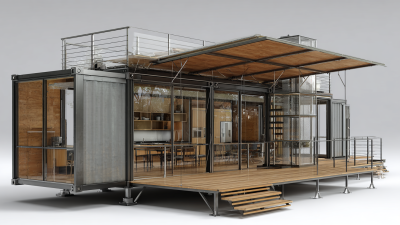
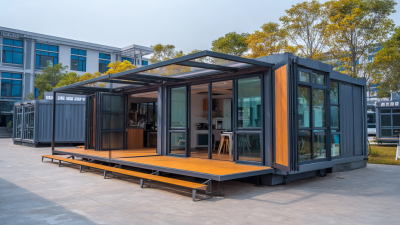
Building a container house can actually be a pretty affordable option for a lot of folks out there. It’s a clever way to get creative with home design—offering lots of flexibility and a touch of innovation. But, fair warning: you’ve gotta plan things carefully and set a realistic budget to dodge some common headaches along the way.
When someone mentions a container house, most of us probably picture a super sleek, modern-looking space. And sure, that’s often what people aim for. But in reality, many projects hit snags that nobody saw coming—things like insulation issues, plumbing headaches, or even navigating local building rules. Not everyone is fully prepared to handle those surprises. From my own experience (and talking to folks who’ve gone down this road), some have even ended up in what could only be described as a disaster zone — you know, like a «Container House Disaster Relief» kind of situation, which you can check out [here](https://www.vicdowex.com/container-house-disaster-relief).
And don’t forget about the materials. Using recycled or second-hand containers can save you some money, for sure. But quality is key—if you're not careful, the amount of work needed might surprise you, and that can easily blow your budget out of the water. Doing DIY on such a project? Yeah, it’s tempting, but mistakes can become pretty costly, turning what’s supposed to be a cozy little haven into an ongoing headache. So, every step should be approached with care, genuine effort, and a bit of patience, to make sure you end up with a livable, sustainable space rather than just a money pit.

Understanding Container Homes: A Budget-Friendly Housing Solution
Container homes are gaining popularity as a budget-friendly housing solution. They provide an innovative way to create a unique living space. With the rising costs of traditional homes, many are turning to shipping containers. These structures can be transformed into stylish homes on a tight budget.
Building a container home requires careful planning. It's essential to consider insulation, ventilation, and plumbing. Research local regulations before moving forward. Challenges may arise, such as ensuring structural integrity when stacking containers. The conversion process often takes longer than expected. Factor in these elements for a smoother experience.
Many use DIY methods to save money. However, skills and tools may limit some tasks. Collaboration with knowledgeable friends or professionals can make a difference. Using recycled materials for interiors can also lower costs. Remember, a container home can reflect personal style, but it requires patience and flexibility during the process.
Choosing the Right Shipping Containers for Your Project
Choosing the right shipping containers for your container house project is crucial. Not all containers are the same. Look for those in good condition. Inspect the floors, walls, and ceilings. Check for rust and structural damage. A container may have dents, but it should be sound.
Size is an important factor. Standard containers come in 20-foot and 40-foot lengths. Consider how you will arrange multiple containers. Think about your space needs and layout. Remember, bigger isn’t always better. A smaller configuration may save costs and simplify climate control. Container House Climate Control can be challenging if containers are not chosen wisely.
Budget constraints are common. Sometimes, the most affordable option might not be the best. It’s okay to invest a bit more in quality. Reflect on the long-term benefits. A solid foundation can reduce future repair costs. Plan your choices carefully. They will impact your living experience.
How to Build a Container House on a Budget? - Choosing the Right Shipping Containers for Your Project
| Container Size |
Average Cost |
Condition |
Usable Space (sq ft) |
Best Use |
| 20 ft |
$2,000 - $5,000 |
Used |
160 |
Single-room Studio |
| 40 ft |
$3,500 - $7,000 |
New |
320 |
Two-room Home |
| 40 ft High Cube |
$4,000 - $8,000 |
Refurbished |
320 |
Open-plan Living Space |
| 10 ft |
$1,500 - $3,000 |
Used |
80 |
Storage or Workspace |
Planning Your Container Home Layout and Design Efficiently
When planning your container home layout and design, start with a clear vision. Focus on the essential spaces. Think about where you want the kitchen, living area, and bedrooms. Container House Portable Housing can be surprisingly flexible. Use multiple containers to create unique layouts. Each container can serve different purposes, enhancing your overall design.
Consider natural light and ventilation. Windows can transform a stark container into a warm and inviting space. Select placements carefully. You want bright spaces that don't feel cramped. Also, think about open spaces. Open-plan designs are popular in container homes. They make for a more spacious atmosphere.
**Tips:** Explore creative ways to maximize square footage. Use multi-functional furniture to save room. Think about integration with nature. Outdoor decks can add living space effectively. Reflect on your needs and adapt your design as you go. Form follows function. Your design should serve your lifestyle. Always stay flexible.
Budget Allocation for Building a Container House
This bar chart represents the estimated budget allocation for building a container house. It highlights the main areas to consider when planning your container home layout and design efficiently. The figures are an approximation of costs for each category.
Cost-Saving Tips for Container Home Construction Materials
Building a container house on a budget can be both exciting and challenging.
Choosing the right materials is crucial for cost efficiency. Look for reclaimed or surplus materials.
Salvaged wood can add character and save money. Research local sources for affordable options. Sometimes, unexpected places hold treasures.
When planning your structure, consider modular designs. These often require fewer materials and labor.
A simple layout can reduce costs significantly. Also, think about insulation. While it’s an investment, effective insulation reduces long-term energy bills.
Remember, a well-insulated container can be more comfortable.
Tip: Use paint to enhance the look without breaking the bank. A fresh coat of paint can transform old surfaces into something new and vibrant.
Consider DIY projects to save on labor costs. They can be rewarding, but be ready for mistakes along the way.
Building a container home is about creativity and resourcefulness.
Embrace the flaws. They often lead to unique solutions.
DIY vs. Professional Help: Making the Right Financial Decision
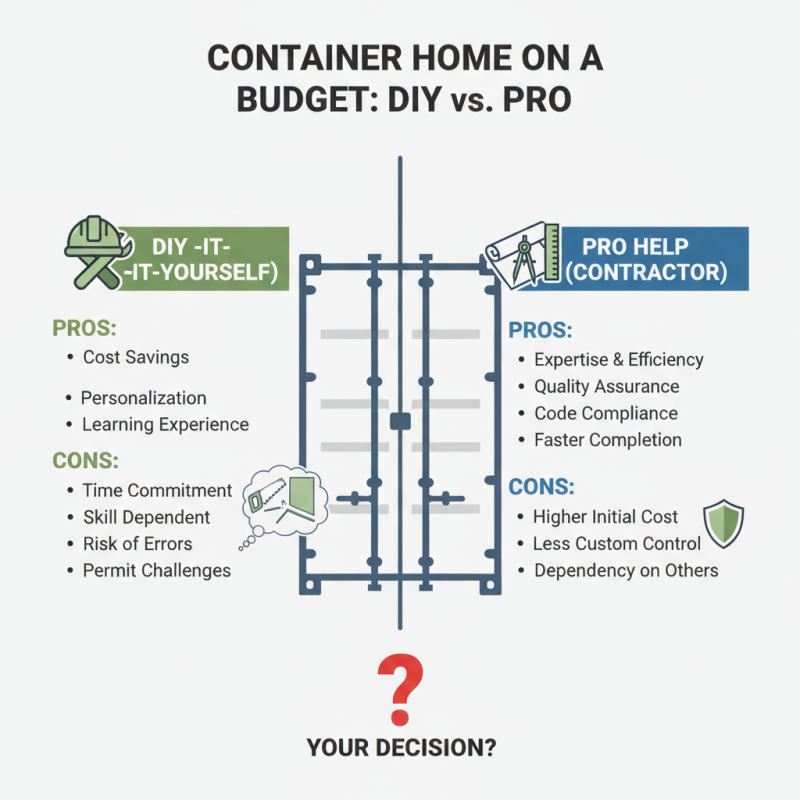
When considering building a container house on a budget, you face a key decision: DIY or professional help. DIY projects can be tempting. They offer a sense of accomplishment and can save money. Yet, it’s essential to recognize your skills. If you lack experience, mistakes can become costly. Miscalculations in design or lack of knowledge about materials might lead to regrettable choices.
On the other hand, hiring professionals can bring peace of mind. Experts understand the nuances of Container House Eco Architecture. They know what works best and how to navigate potential challenges. However, professional services come with a price. This investment could strain a tight budget. Weigh your options carefully. Think about your vision. Do you want a unique, tailored design, or is functional living your priority?
Reflect on your goals. If you seek sustainability, professionals may offer insight into efficient designs. DIY may limit this, but give a personalized touch. Balance your desire to save money with the reality of what you can achieve. Finding the right path requires honest self-assessment and flexibility in your plans.
Essential Permits and Regulations for Container Homes
Building a container house requires careful attention to permits and regulations. Local laws vary widely. Always check the zoning laws in your area first. Some regions are more lenient than others, but this can change. For example, a simple residential zone may have strict height restrictions.
You might need to apply for building permits. This process can be tedious and time-consuming. Collect all necessary documents and plans. It's easy to overlook small details that could delay your project. Expect inspections at various stages. Be prepared for changes to your initial plans.
Many homeowners forget about utility connections. Water, electricity, and waste disposal need attention. Some areas require specific permits for these connections. You might face unexpected fees. Failure to comply can lead to fines or forced alterations. Researching these regulations upfront can save frustration later on. Remember, a budget-friendly approach demands thorough planning and adherence to local guidelines.
Maintaining Your Container House for Long-Term Affordability
Maintaining your container house for long-term affordability is essential. Regular inspections are crucial. Look for leaks or rust around the seams. Small issues can escalate quickly if ignored. Consider creating a yearly maintenance schedule. This includes checking insulation and ventilation systems. You want to keep energy costs low.
Invest in durable materials that withstand the elements. This can reduce the need for frequent repairs. Also, consider the landscaping around your container house. Proper drainage prevents water damage. Avoid creating damp areas that could harm your home. Keep in mind, even a container house requires attention.
Utilizing your container house as temporary housing can be a budget-friendly option. But, it also demands ongoing care. Assess the living conditions regularly. Seek areas of improvement to enhance comfort. Make adjustments when necessary to ensure a pleasant living environment. Regular upkeep is the key to long-term savings.
Conclusion
Building a Container House on a budget can be an excellent choice for those seeking affordable housing solutions. Understanding the fundamentals of container homes is essential, as they offer a unique housing alternative that can be both economical and stylish. When selecting shipping containers for your project, consider factors such as size, condition, and availability to ensure you make the best choice for your needs.
Proper planning of your container home's layout and design is crucial for maximizing space and functionality while keeping costs low. Incorporating cost-saving tips for construction materials can significantly reduce expenses, whether you choose to handle the project yourself or hire professionals. Additionally, it's vital to research and obtain the necessary permits and adhere to regulations to avoid potential legal issues. Ultimately, with careful maintenance, a Container House can provide long-term affordability and a sustainable living solution.