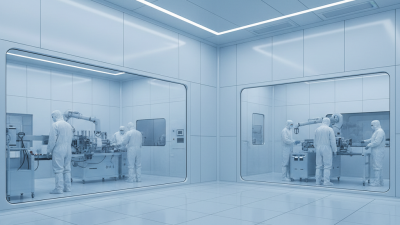
In today’s quickly changing world of construction, choosing the right wall material is super important. It’s not just about how it looks; it also affects performance, sustainability, and safety. Companies like XYZ Construction and ABC Builders are really exploring some cool, innovative options for their projects coming up in 2026. They’re focusing on both how things work and how they look, which is pretty awesome.
The right wall material can totally change the vibe of a space. For example, eco-friendly options are becoming more popular because they’re better for the environment, but they still meet all the modern standards we’re after. That said, with so many choices out there, making a decision can feel overwhelming. A lot of professionals don’t always think long-term either — they focus on the upfront cost but might overlook durability or how much maintenance will be needed down the line.
It’s often a tricky balance between style and practicality. These days, more folks want materials that give off a sense of luxury but also stand up to daily wear and tear. Understanding the pros and cons of each option can get a bit complicated, and honestly, it’s easy to feel lost in the details. That’s when chatting with industry experts can really help clear things up. All in all, finding the perfect wall material for your next project takes some careful thought and a bit of reflection — but it’s totally worth it in the end.
Best Wall Materials Overview for 2026 Construction Projects
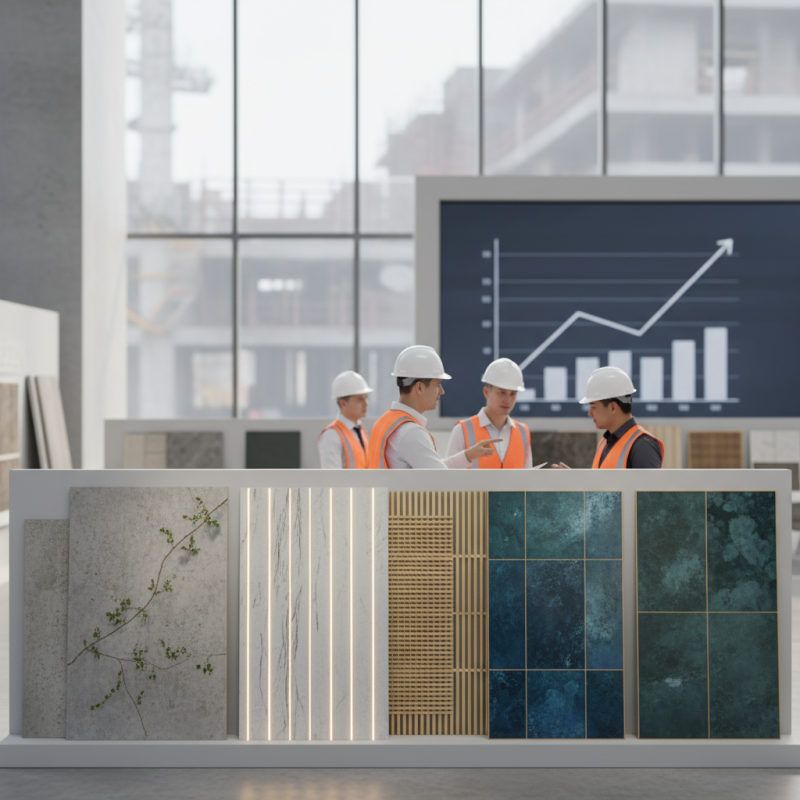
In 2026, construction projects will demand wall materials that emphasize sustainability and efficiency. Various options present themselves in this ever-evolving landscape. Concrete, for instance, remains a reliable choice due to its durability. However, it may not always be the best insulator. This creates a need for advanced materials that meet modern energy standards.
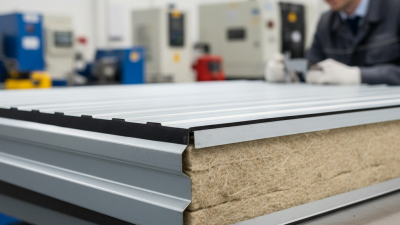
For those considering thermal performance, the Exterior Wall Rockwool Sandwich Panel is an innovative material to explore. It provides excellent insulation, thanks to its rock wool core. Such panels are not only energy-efficient but also help manage sound and moisture. Projects may benefit from their ability to reduce heating and cooling costs, even if their initial expense can be higher than traditional options.
When selecting wall materials, consider the building's overall aesthetic. Sometimes, a visually appealing finish may compromise performance. Strike a balance. For better durability, maintain a checklist to ensure you don’t overlook essential product features. Don’t shy away from consulting experts in the field; their insights can help avoid mistakes. Ultimately, staying informed is key to making the right choices for 2026.
Sustainable Materials: Eco-Friendly Choices for Wall Construction
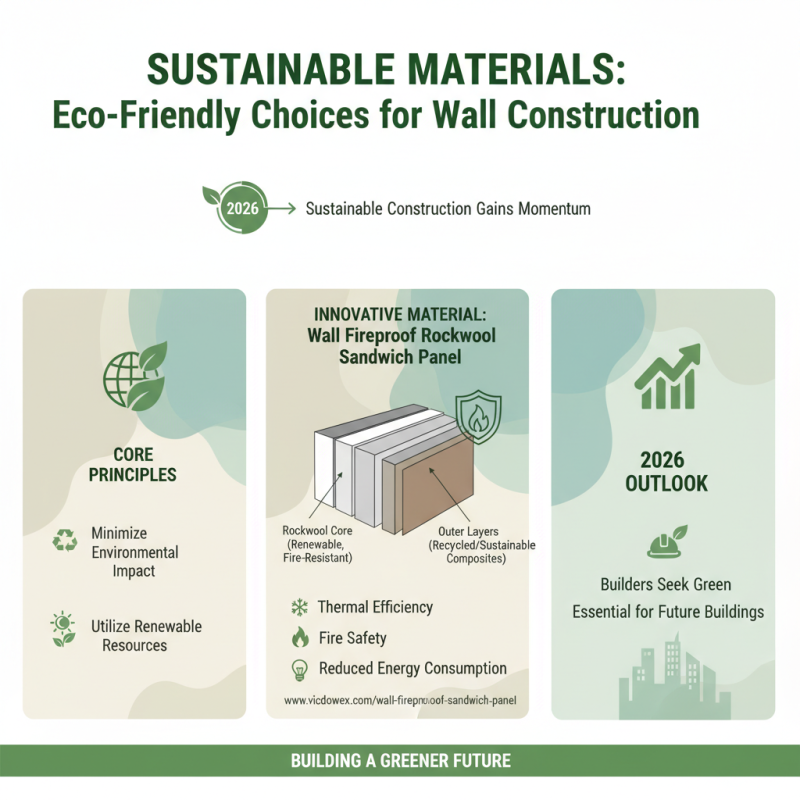
In 2026, sustainable construction will gain even more attention. Builders seek eco-friendly materials to minimize environmental impact. Using renewable resources in wall materials is essential. One innovative option is the Wall Fireproof Rockwool Sandwich Panel. This panel not only offers thermal efficiency but also provides fire safety. Its composition helps reduce energy consumption in buildings.
Natural materials are also gaining traction. Recycled metal and bamboo are popular choices. They are durable and often locally sourced, reducing transportation emissions. Eco-friendly choices may come with higher initial costs, but their long-term benefits are substantial. It’s important to select materials that prioritize both sustainability and performance.
As we explore these options, it’s critical to consider local regulations and building codes. Some materials may not perform well in certain climates. Conducting thorough research is essential. The goal is to create buildings that not only meet aesthetic standards but also support a larger vision for sustainability.
Durability and Longevity: Which Wall Materials Last the Longest?
When considering wall materials for construction projects in 2026, durability should be a top priority. The longevity of materials impacts maintenance costs and environmental sustainability. Brick and concrete are well-known for their durability. They can withstand harsh weather conditions. However, they also require proper installation to avoid cracking over time.
Wood, while aesthetically pleasing, often faces challenges with rot and pests. It may need regular maintenance and treatments to enhance its lifespan. In contrast, newer materials like fiber-reinforced polymers show promise. They offer exceptional resistance to environmental stress but are not universally adopted yet. Their real-world performance still needs more comprehensive studies.
Choosing the right material involves weighing durability against cost and design. It’s worth noting that even the toughest materials can fail without proper care. Sometimes, the best choice may not be the most durable one. Each project has unique demands that must be met thoughtfully. Balancing longevity with other factors is essential.
Cost-Effectiveness: Budget-Friendly Wall Materials for 2026
When planning wall projects for 2026, cost-effective materials are essential. Affordable doesn't mean sacrificing quality. A variety of options can meet budget needs without compromising durability. Consider using masonry, which offers excellent thermal mass and longevity.
Building Exterior Wall Rockwool Sandwich Panels are gaining popularity for their insulation properties. They keep energy costs low, making them ideal for various climates. Plus, they are easy to install and can reduce labor costs. However, ensure that the panel thickness meets your specific thermal requirements.
Tip: Always compare material costs in your area. Prices can fluctuate, and local suppliers may offer deals or discounts. Look into second-hand materials as a budget-friendly option too, but verify their condition to avoid future issues. In challenging times, reflecting on your choices can lead to innovative solutions.
Design Aesthetics: Combining Functionality with Visual Appeal
In 2026, selecting wall materials blends functionality with visual appeal. Designers must keep aesthetic value at the forefront, alongside structural integrity. A recent report by the International Building Materials Association highlights that 87% of architects prioritize aesthetics in their projects. This is not merely for appearances; it's about creating an inviting atmosphere.
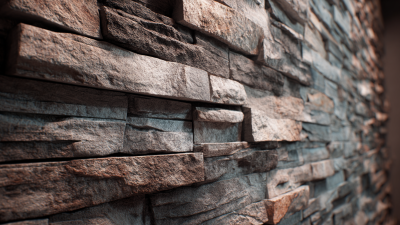
Consider the growing trend of biophilic design. This approach incorporates natural elements into spaces. Natural materials such as wood and stone not only provide warmth but also improve indoor air quality. Data shows that spaces with natural materials can enhance well-being, leading to a 30% increase in productivity. However, sourcing sustainable materials can pose challenges. You need to evaluate your options carefully.
Tips: When using paint or finishes, opt for non-toxic variants. This small choice promotes a healthier environment. Don’t overlook color psychology; colors impact mood and perception significantly.
Design choices should reflect the project’s purpose while maintaining a cohesive look. It’s often difficult to balance innovation with practicality. Unexpected issues may arise from material limitations. Architects must be adaptable and resourceful when materials do not align perfectly with the vision. Consider alternative options that still uphold the project’s core values.
Innovative Technologies: Smart Materials for Modern Wall Designs
In 2026, innovative technologies will redefine wall designs.
Smart materials are crucial for modern constructions. They adapt to environmental conditions.
These materials enhance durability and energy efficiency. Research indicates
that integrating smart materials can improve energy savings by up to 30%. This is significant
for reducing carbon footprints.
One remarkable option is the
Exterior Wall Fireproof Rockwool Sandwich Panel. This panel combines
insulation and fire-resistance properties, addressing safety concerns. Its lightweight design allows for easy installation and reduces labor costs.
However, the cost of these advanced materials can be a barrier for some projects.
Architects must weigh the benefits against budget constraints.
The use of self-healing materials is gaining traction as well. These can
automatically repair minor damages, extending the lifespan of walls. While they offer exciting possibilities, challenges regarding
long-term effectiveness remain. Ongoing research is needed to fully understand their potential. As these innovations emerge,
the construction industry must adapt, balancing creativity with practicality.
Regional Considerations: Climate Impact on Wall Material Selection
When selecting wall materials for construction projects in various regions, climate plays a pivotal role. Extreme weather conditions dictate the durability and efficacy of building materials. According to the U.S. Department of Energy, materials must combat heat in arid zones and moisture in humid regions. For instance, insulated concrete forms are gaining traction in hot climates for their energy efficiency. On the other hand, brick and stone are preferred in cooler areas due to their thermal mass properties.
Heat, rain, and humidity influence choices. Coastal regions must prioritize resistance to saltwater corrosion. Research from the National Institute of Building Sciences indicates that moisture-resistant materials significantly outperform conventional options in such areas. In colder climates, using insulated panels can enhance heating efficiency, reducing energy costs by up to 30%.
Tips: Consider local climate data when selecting materials. Conduct thorough testing to understand how different options perform under various weather conditions. Engage with local experts who understand regional challenges, as their insights can be invaluable. Balancing aesthetics with practicality can lead to more sustainable and resilient structures.
What Are the Best Wall Materials for 2026 Projects? - Regional Considerations: Climate Impact on Wall Material Selection
| Region |
Climate Type |
Recommended Wall Material |
Key Advantages |
| Northeast USA |
Cold and Snowy |
Insulated Concrete Forms (ICFs) |
High insulation value, durable, energy efficient |
| Southeast USA |
Humid and Tropical |
Fiber Cement Siding |
Moisture resistant, fire resistant, low maintenance |
| Southwest USA |
Hot and Arid |
Adobe and Rammed Earth |
Natural thermal mass, sustainable, aesthetically pleasing |
| Pacific Northwest |
Mild and Wet |
Wood Siding |
Natural aesthetics, renewable resource, good insulator |
| Midwest USA |
Temperate |
Vinyl Siding |
Low cost, variety of styles, easy to install |
Innovative Design Solutions: The Advantages of Metal Corrugated Composite Panels for Interior Wall Applications
The use of metal corrugated composite panels has surged in popularity for interior wall applications due to their innovative design solutions and numerous advantages. These panels, primarily made from aluminum and steel, offer a remarkable combination of aesthetic appeal and structural integrity. With a fire rating of Class A (GB8624-2012), they provide safety and assurance in various building environments, making them an ideal choice for both commercial and residential projects.
One notable feature of these panels is their propensity for customization; they can be manufactured with varying corrugated heights—typically around 12mm—and a wide range of size specifications, including widths up to 1200mm and lengths extending to 6000mm. This flexibility allows architects and designers to create grand and smooth designs while ensuring high surface flatness. Furthermore, the advanced engineering of these panels contributes to their resistance to deformation. The innovative air layer within the aluminum corrugated core is divided into multiple sealed unit chambers, which enhance the panel's strength and rigidity, ensuring long-term durability.
According to industry reports, the adoption of metal corrugated composite panels is expected to grow as more professionals recognize their benefits. The balance of lightweight construction and high performance will likely drive increased use in modern architectural designs, emphasizing sustainability while maintaining visual impact. These materials represent a forward-thinking approach to building design, merging functionality with contemporary aesthetics.
FAQS
: Architects should prioritize aesthetics alongside structural integrity to create inviting atmospheres.
Biophilic design incorporates natural elements, improving air quality and comfort in interior spaces.
Natural materials can enhance well-being, leading to a 30% increase in productivity.
It's important to choose non-toxic options to promote a healthier environment.
Extreme weather conditions influence durability and efficacy, which are critical for building materials.
Material limitations can complicate design visions, requiring architects to adapt and explore alternatives.
Smart materials enhance durability and energy efficiency, potentially improving energy savings by up to 30%.
Self-healing materials can repair minor damages automatically, though their long-term effectiveness remains uncertain.
Local climate data helps select appropriate materials that perform well under specific weather conditions.
Conclusion
The article "What Are the Best Wall Materials for 2026 Projects?" provides a comprehensive overview of optimal wall materials suited for upcoming construction projects. It explores various themes, beginning with a focus on sustainable materials that promote eco-friendly building practices. Durability and longevity are emphasized, highlighting which wall materials offer the best lifespan and resilience against environmental factors.
Budget considerations are also addressed, recommending cost-effective options that do not compromise quality. Additionally, the piece examines the significance of design aesthetics, where functionality meets visual appeal, and introduces innovative technologies that incorporate smart materials for contemporary wall designs. Finally, the article discusses regional considerations, stressing how climate influences the selection of wall materials to ensure suitability and efficiency in diverse environments.