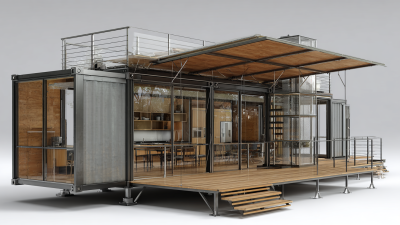
Lately, there's been a real uptick in the demand for effective insulation solutions. You’ve probably noticed that Sandwich Panels are becoming pretty popular, mainly because they're durable and get the job done efficiently. According to the 2023 Global Sandwich Panel Market Report, this sector’s expected to grow at a Compound Annual Growth Rate (CAGR) of around 5.9% from 2023 through 2028—pretty solid numbers, right? Big names like Kingspan and Metl-Span are leading the way, offering some top-quality options.
Now, when it comes to insulation, performance really matters. The right Sandwich Panel can make a huge difference in cutting down energy bills. I came across this Rockwool Sandwich Panel Testing that shows how these panels have way better thermal resistance compared to older, traditional materials. But fair warning—not all Sandwich Panels are exactly the same. Some might trade off structural strength to boost insulation, which isn’t ideal.
Choosing the right panel isn't just about picking something that looks good on paper. You really need to weigh your options carefully. Striking a good balance between durability and insulation efficiency is key. It’s worth investing time into researching trusted manufacturers and understanding the specs of different panels—doing your homework can save you a lot of headaches later on. Ultimately, the best choice depends on your specific project needs and conditions. So, taking a little extra effort to choose wisely is totally worth it in the end.
Overview of Sandwich Panels: What They Are and How They Work
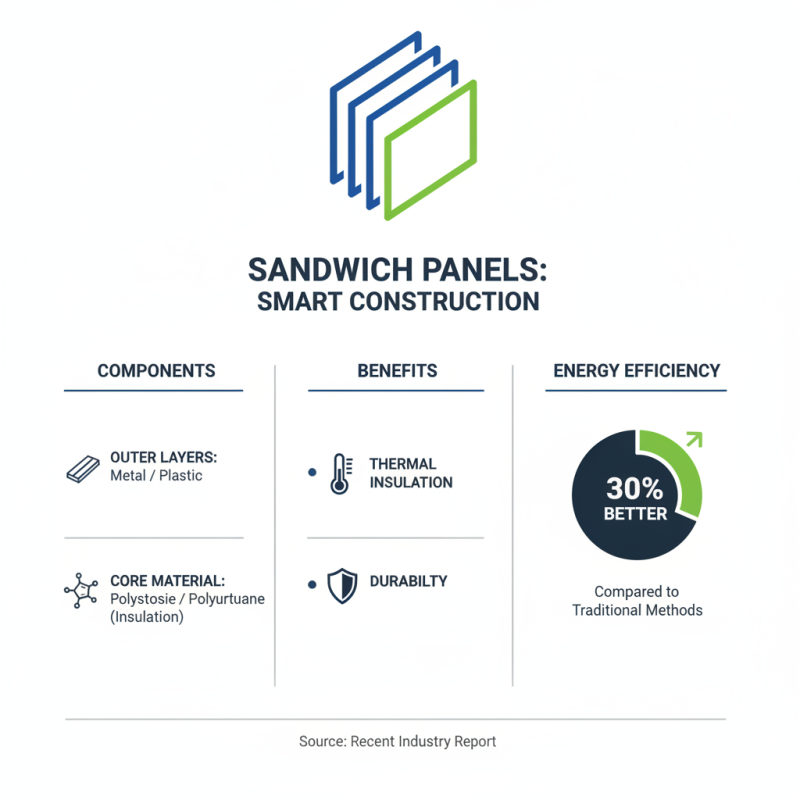
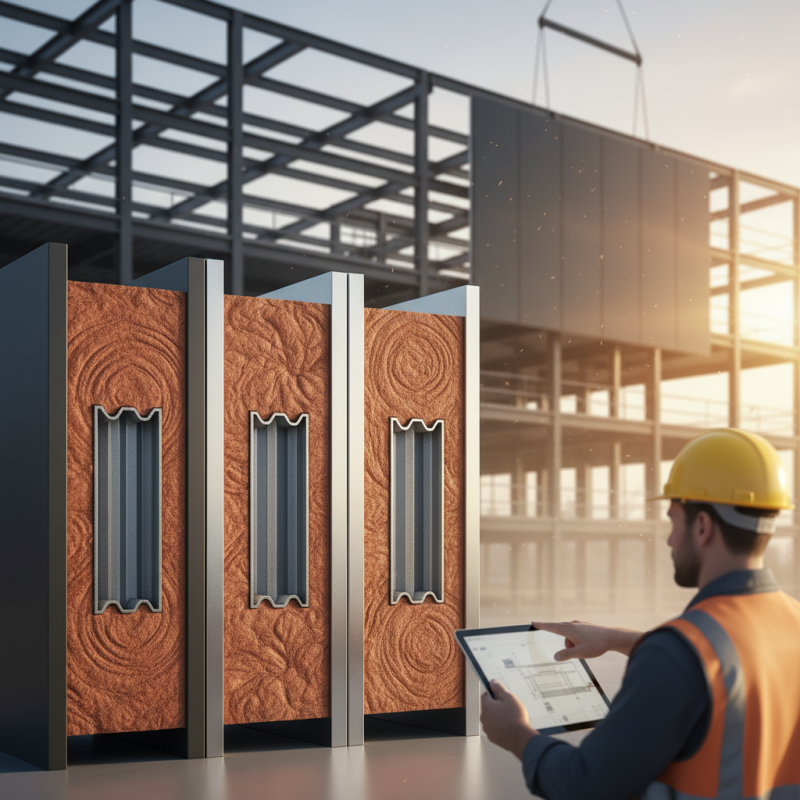
Sandwich panels have become a go-to solution for construction projects requiring insulation and durability. These panels consist of two outer layers, often made from metal or plastic, with a core material between them. The core typically consists of materials like polystyrene or polyurethane, which offer superior insulation properties. According to a recent industry report, buildings using sandwich panels can achieve up to 30% better energy efficiency compared to traditional construction methods.
The core's role in insulation cannot be overstated. It is vital to consider the thermal resistance of the material used. For example, a polyurethane core can achieve an R-value of 6.0 or more, which is significantly higher than that of fiberglass insulation. This statistic highlights the importance of choosing the right materials. Yet, not all sandwich panels are created equal. Quality control can sometimes be overlooked, leading to potential gaps and weaknesses.
While many construction firms recognize the benefits, some still struggle with proper installation. Poorly installed sandwich panels can compromise their insulation efficiency. An industry survey indicated that nearly 20% of respondents encountered issues related to installation errors. These challenges emphasize the need for skilled labor and proper training. Regular inspections during the installation phase can help mitigate these risks and improve overall performance.
Key Materials Used in Sandwich Panel Construction for Insulation
Sandwich panels have become pivotal in modern construction due to their excellent insulation properties and durability. The key materials used in their construction greatly influence performance. A common choice is mineral wool, known for its fire resistance and thermal insulation. Reports indicate that rockwool can achieve a thermal conductivity of around 0.035 W/mK, making it an efficient insulator for various applications.
Another popular material is polyurethane foam. This material has an impressive insulation value of 0.022 W/mK. However, it’s essential to consider its environmental impact. Some studies have raised concerns about the ecological footprint of producing polyurethane. Despite its high insulation performance, it’s not always the most sustainable option.
Finally, the outer layers of sandwich panels often use steel or aluminum. These metals provide strength and weather resistance. However, the coatings used can affect durability over time. For example, galvanized steel may rust if damaged. Choosing the right combination of materials is crucial. The Hospital Rockwool Sandwich Panel demonstrates how effective insulation can be achieved while still considering sustainability factors and long-lasting performance. The challenge lies in finding the right balance.
Comparative Analysis of Insulation Properties in 2026 Sandwich Panels
In 2026, sandwich panels have become a popular choice for insulation and durability. Various materials are now employed in their construction. For instance, panels using polyisocyanurate tend to offer superior insulation values. However, achieving a perfect balance in insulation can still be challenging.
Some panels utilize expanded polystyrene, which is lightweight and cost-effective. Yet, their insulation properties may not be as strong. The difference in R-values among panels requires careful selection, especially in Sandwich Panel House Construction. A poor choice can lead to increased energy costs.
Another material gaining attention is mineral wool. It provides excellent fire resistance and soundproofing. However, the cost and installation complexity can be drawbacks. Each material has its pros and cons, and it is important to evaluate specific project needs. In the end, the decision lies in understanding how each option impacts overall performance and sustainability.
Durability Factors: How Sandwich Panels Stand Against Environmental Stress
When considering the durability of sandwich panels, environmental stress plays a significant role. These panels often encounter extreme temperatures, moisture, and UV radiation. Industry reports indicate that high-quality insulated panels can withstand harsh weather conditions better than traditional building materials. For instance, Insulated Rockwool Sandwich Panels demonstrate impressive resilience against fire and water damage. According to recent studies, these panels can retain their structural integrity under temperature variations from -40°C to +70°C.
However, not all sandwich panels are created equal. The manufacturing process can impact durability significantly. Some budget options may lack required insulation properties, leading to premature wear. Testing has shown that panels with inferior cores can degrade faster, reducing overall energy efficiency. It’s important to balance cost and performance to avoid ongoing repair costs. Many users overlook maintenance, which can shorten the lifespan of even the best panels.
In real-world applications, the effectiveness of insulated panels is affected by local climate. For example, coastal areas face higher humidity, potentially compromising panel integrity over time. Users must consider these factors during selection. Industry data reveals that improper installation can also lead to significant issues. Focusing on quality and professional installation may yield better long-term outcomes.
Popular Sandwich Panel Designs and Their Applications in Various Industries
Sandwich panels have gained popularity in various industries due to their impressive insulation and durability features. Common designs include polyisocyanurate, expanded polystyrene, and Fireproof Rockwool Sandwich Panel. Each type serves specific purposes based on its thermal resistance and fire safety.
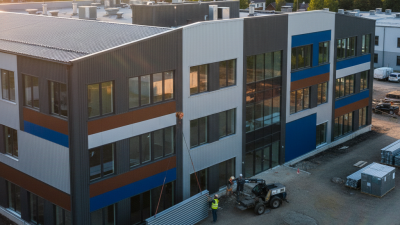
In construction, these panels are often used for walls and roofs. They provide a thermal barrier and reduce energy costs. The construction industry tends to favor panels that combine strength and insulation. However, finding the right type can be challenging. An underperforming panel can lead to excessive heating or cooling costs.
Tips: Always consider the climate and the building's design. Try choosing panels that offer both insulation and fire resistance. A mismatch can be costly. For example, a Fireproof Rockwool Sandwich Panel is ideal for areas requiring enhanced safety measures.
Moreover, the food industry utilizes sandwich panels for temperature-controlled environments. Proper insulation helps maintain product quality. If not chosen wisely, the best insulation could still lead to spoilage. This is an area needing continuous reflection for efficiency.
2026 Best Sandwich Panel Insulation and Durability Options
Cost-Effectiveness of Different Sandwich Panel Options in 2026
The cost-effectiveness of sandwich panels is becoming increasingly relevant in 2026. Recent studies show that these panels can reduce energy costs by up to 30%. This reduction is largely due to their superior insulation properties. A report from the Insulation Industry Association stated that proper insulation can lead to a payback period of about three to five years. This makes sandwich panels an attractive option for both residential and commercial buildings.
However, not all sandwich panels offer the same economic benefits. Factors such as material composition and thickness greatly impact performance. For instance, panels with higher insulation values often come with a steeper price tag. A lesser-known fact is that while polyurethane panels provide excellent thermal resistance, they may not always be the most budget-friendly. The initial investment could deter some builders.
In terms of durability, panels made from high-density materials tend to have longer lifespans. Yet, their initial cost might make them less appealing. A balance between initial investment and long-term savings must be considered. Many users realize too late that the cheapest option can lead to higher maintenance costs. Therefore, evaluating the total cost of ownership is essential when choosing the best sandwich panel.
Future Trends and Innovations in Sandwich Panel Technology and Design
The landscape of sandwich panel technology is evolving rapidly. Recent industry reports indicate a projected growth rate of 8% annually in this sector. Insulation and durability are driving this innovation. Manufacturers are focusing on materials that enhance energy efficiency. Some companies are experimenting with bio-based core materials. This shift could lead to more sustainable products.
Some innovations are still in early stages. Researchers are exploring new composite materials. These alternatives may improve thermal performance significantly. Yet, concerns exist about their long-term durability in harsh environments. The balance between sustainability and functionality remains a challenge. The market demands lightweight options without sacrificing strength.
Emerging trends suggest increased automation in manufacturing. This technology could reduce costs and improve consistency. However, the integration of advanced tech comes with its own set of challenges. Training the workforce is essential. There is a learning curve with new systems. Thus, while advancements promise better products, they require careful consideration. The future of sandwich panels will likely hinge on both innovation and reflection.
Innovative Benefits and Applications of PVR1000 Photovoltaic Insulated Composite Panels in Sustainable Building Design
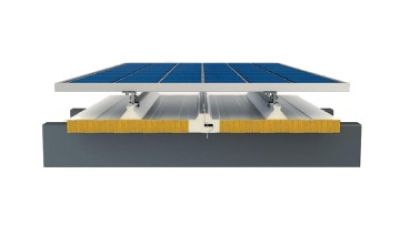
The PVR1000 Photovoltaic Insulated Composite Panels represent a pioneering evolution in sustainable building design, offering innovative solutions that align with the growing demand for energy-efficient structures. By integrating photovoltaic technologies into the roofing system, these panels facilitate the generation of renewable energy directly from the building envelope. This addresses a significant challenge in the construction industry, as traditional methods of solar panel installation often compromise both roof integrity and aesthetic appeal.
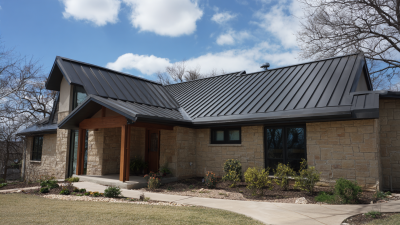
Utilizing a seamer or seam locker machine, the PVR1000 system ensures a robust connection between adjacent metal roof panels. This advanced system not only enhances structural stability through a 360° locking mechanism but also allows for the strategic placement of solar photovoltaic installations without the need for penetrating the roofing surface. The adoption of non-penetrating conversion fixtures ensures that the roof's waterproofing remains uncompromised, while also providing additional flexibility for integrating snow guards or hurricane protection devices, crucial in climates that face extreme weather conditions.
According to industry reports, buildings equipped with integrated photovoltaic systems can reduce energy costs by up to 30%, highlighting the financial benefits alongside environmental sustainability. As urban centers continue to grapple with rising energy demands, the versatility of the PVR1000 panels offers an essential solution that addresses both present and future challenges in building design. The ever-increasing emphasis on energy efficiency and sustainability in architecture makes the deployment of such innovative systems not just beneficial but necessary as we move towards greener construction practices.
FAQS
: The product is designed to enhance daily efficiency. It simplifies tasks and saves time in various activities.
Follow the usage instructions provided. Practice regularly to improve your skills and maximize its potential.
Yes, many users underestimate the learning curve. Some do not fully explore all features available.
Yes, customization is possible. Adjust settings according to your personal preferences for better results.
Refer to the troubleshooting guide first. If that fails, reaching out for support can be helpful.
Yes, overreliance can lead to burnout. It's important to use it in moderation and take breaks.
Keep a journal or log your experiences. Reflecting can help identify areas needing improvement.
It varies by individual goals. Start with a few times a week and adjust based on your comfort.
Absolutely! Sharing can provide insights. However, be mindful of differing perspectives and needs.
Reflect on your approach. Adjusting expectations and strategies might lead to better outcomes in the future.
Conclusion
The article "2026 Best Sandwich Panel Options for Insulation and Durability" provides a comprehensive overview of sandwich panels, highlighting their construction, materials, and functionality. It explains how these panels utilize a core of insulating material sandwiched between two outer layers, creating a robust solution for thermal efficiency and durability. Key materials used in construction are analyzed, showcasing their contributions to insulation properties.
Additionally, the article emphasizes durability factors, assessing how sandwich panels perform under environmental stressors. It features a comparative analysis of different sandwich panel designs and their applications across various industries, underscoring their cost-effectiveness. Looking ahead, the piece discusses future trends and innovations, indicating a growing market for enhanced sandwich panel technologies that promise improved insulation and structural performance.