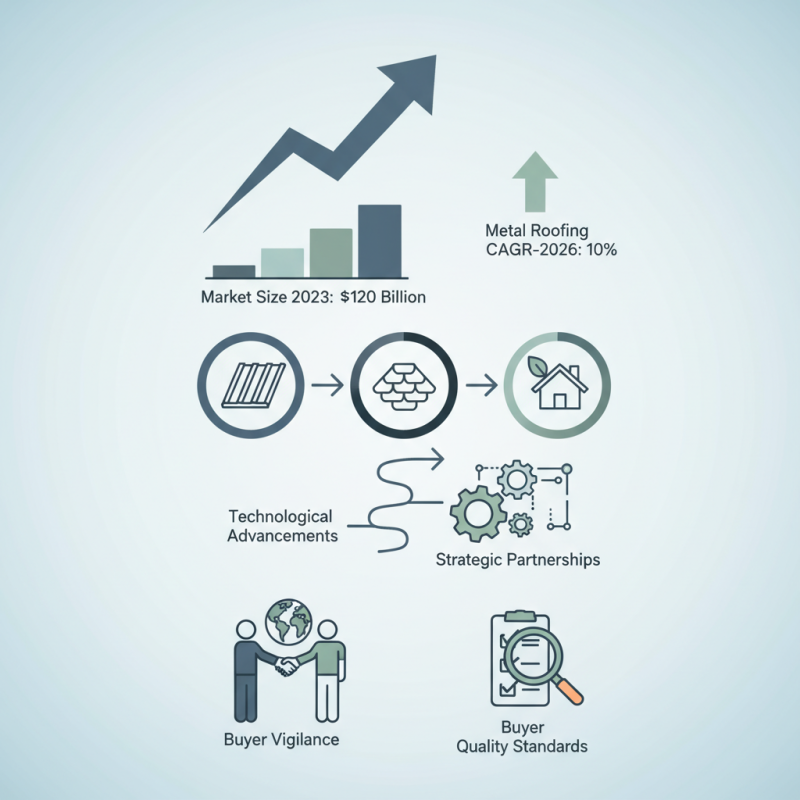
The global market for Roof Structure Materials is really changing fast. As of 2023, the industry is expected to hit around $120 billion, based on a report from IBISWorld. A big reason for this growth? More construction projects are happening, and there’s a real push toward sustainable building options. Basically, the demand for efficient, durable roof materials has never been higher.
You'll notice that materials like metal, asphalt shingles, and eco-friendly options are really leading the charge in the market. According to research from MarketsandMarkets, the metal roofing segment alone is expected to grow at about 10% CAGR from 2024 to 2026. That’s pushing companies to get creative, innovate, and adapt to what buyers are really digging nowadays. Of course, not all suppliers are equally consistent—some excel in quality, while others struggle to keep it stable.
Looking ahead, the future of Roof Structure Materials will probably involve more strategic partnerships and cutting-edge tech. As the competition heats up, it becomes super important for buyers to stay sharp and spot suppliers who don’t just meet standards but go above and beyond. Having good info and expert insight will be key to making smart choices in this evolving landscape.
Best Roof Structure Materials for Global Buyers 2026
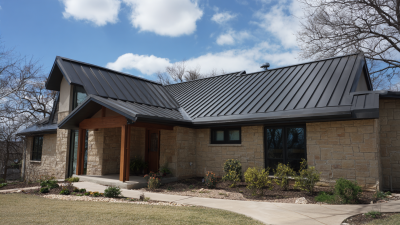
When examining the best roof structure materials for global buyers in 2026, several key options stand out. Metal roofing, such as steel and aluminum, continues to lead due to its durability and eco-friendliness. According to a report from Grand View Research, the global metal roofing market is projected to reach over $21 billion by 2025. This reflects growing demand for sustainable building materials.
Another popular choice is asphalt shingles. They account for nearly 40% of the roofing market due to their affordability and ease of installation. Research from IBISWorld indicates that the market for asphalt shingles is expected to grow by 3.5% annually. However, the lifespan of asphalt shingles is limited, which poses a challenge for long-term investment.
Tips: Consider local climate when selecting materials. Some materials work better in humid areas, while others are ideal for arid climates. Always check for insulation properties to improve energy efficiency. Overlooking these details can lead to higher costs in maintenance and energy bills. Reflect on your choices and their long-term impact on sustainability and budget.
Best Roof Structure Materials for Global Buyers 2026
This chart displays the projected popularity of various roof structure materials among global buyers in 2026. The materials compared include Asphalt Shingles, Metal Roofing, Clay Tiles, Wood Shakes, and Slate. Each material's projected market share indicates current trends in roofing preferences.
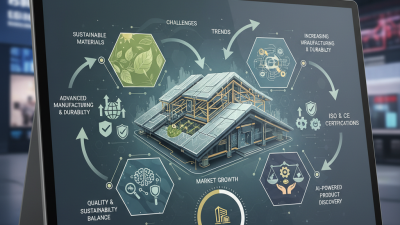
Emerging Trends in Roofing Materials for 2026
In 2026, roofing materials are set to see exciting innovations. Sustainability is a key driving force. Many builders are turning to eco-friendly options. Recycled materials are gaining popularity. These materials are both durable and low in environmental impact.
Steel structures are increasingly favored for their strength. The Steel Structure Rockwool Sandwich Panel is notable for its insulation properties. This panel type offers thermal efficiency, which helps reduce energy costs. Builders appreciate its easy installation, saving time on projects.
There is also a growing interest in solar-integrated roofing. These roofs not only protect buildings but also generate energy. Some homeowners are still hesitant, particularly regarding costs and aesthetics. Balancing these factors will be essential for widespread adoption. As trends evolve, the roofing industry must address these concerns to meet global demands.
Best Roof Structure Materials for Global Buyers 2026
| Material Type |
Durability (Years) |
Sustainability Rating |
Cost per sq. ft. ($) |
Emerging Trends |
| Metal Roofing |
50 |
A+ |
5.50 |
Increased adoption due to energy efficiency |
| Asphalt Shingles |
20 |
B |
3.00 |
Innovations in recycled materials |
| Clay Tiles |
100 |
A |
6.00 |
Growing interest in aesthetics and longevity |
| Green Roofs |
40 |
A++ |
10.00 |
Rise in urban sustainability initiatives |
| Synthetic Roof Tiles |
30 |
B+ |
4.50 |
Advancements in durability and style |
Comparative Analysis of Roofing Materials: Cost vs. Durability
When choosing roofing materials, the balance between cost and durability is crucial. Various materials offer different benefits depending on climate and local conditions. Common materials include asphalt shingles, metal roofing, and clay tiles. While asphalt shingles may be cheaper, they typically have a shorter lifespan. Metal roofing, though more expensive upfront, offers lasting durability. Clay tiles present a blend of both cost and longevity but may require specific support structures.
Tips: Consider local weather when selecting materials. For example, areas with heavy rainfall and snow may benefit from metal roofing over asphalt shingles. Always assess the long-term costs versus initial investment.
Another aspect to ponder is installation. Labor costs can vary significantly depending on material type. Some materials are easier to install, potentially lowering costs if done professionally. However, complex installations may require specialized contractors, driving up the overall expense.
Tips: Always get multiple quotes from contractors to ensure you're not overpaying. Ask for clarity on the expected lifespan of the materials chosen. A higher upfront cost might save money in the long run. Consider your personal needs and the environmental impact of your choice, which is often overlooked.
Sustainable Roofing Options: Eco-Friendly Materials for Buyers
Choosing sustainable roofing materials is crucial for reducing environmental impact. Eco-friendly options are gaining popularity among homeowners and builders alike. Many buyers are now seeking roofing solutions that minimize energy consumption and support the planet. One sustainable material gaining attention is recycled metal. It offers durability and longevity, making it a smart investment.
Additionally, natural materials such as bamboo and reclaimed wood provide unique aesthetic options. These materials are often locally sourced, reducing transportation emissions. They also have a lower carbon footprint compared to conventional roofing materials. However, the long-term performance and maintenance of these options can be a concern. Buyers are encouraged to consider both aesthetics and durability when selecting materials.
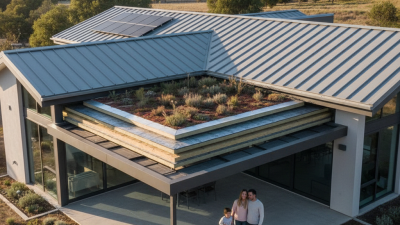
Another promising choice is the Mezzanine Steel Structure, which enhances energy efficiency. This innovative design can incorporate green roofing, allowing for better insulation. While these materials offer significant advantages, they may require a higher initial investment. It's essential to weigh the environmental benefits against potential costs. Sustainable roofing is a journey that involves continuous learning and adaptation.
Innovative Technologies in Roofing Material Production
As the roofing industry evolves, innovative technologies are reshaping material production. New manufacturing processes are significantly improving durability and sustainability. According to a 2023 report by the International Energy Agency, advanced materials can reduce energy loss by up to 30%. These technologies emphasize efficiency, making roofs more environmentally friendly.
Revolutionary materials are gaining traction. For instance, self-healing polymers are being tested, which could extend roof lifespans. The research indicates that these materials could decrease maintenance costs by 20%. Additionally, smart roof systems integrate sensors to monitor performance and environmental conditions. These systems can forecast issues before they escalate, ensuring safety and cost efficiency.
However, these advancements have drawbacks. Not all regions can access cutting-edge materials. Cost remains a barrier. Many projects still rely on traditional roofing methods, which can hinder progress. As the industry navigates these challenges, collaboration between manufacturers and builders is vital. Innovative technologies hold promise, but their widespread adoption requires careful consideration of practical implications.
Regional Preferences: Selecting Roof Materials for Different Climates
When choosing roof materials, climate is key. In warmer regions, lightweight materials are preferred. They reduce heat absorption and keep buildings cool. For instance,
metal roofs reflect sunlight, making them energy-efficient. Yet, in areas prone to heavy snowfall, durability becomes crucial. Here, a sturdy roof structure,
often in the form of wooden trusses, can withstand the weight.
In humid climates, moisture-resistant materials are vital. Options like clay tiles or treated metal play a significant role in preventing mold and rot.
Steel Structure Construction is gaining attention
due to its resistance to rust when properly coated. However, it requires careful installation to avoid thermal expansion issues. Reflecting on local traditions is essential too.
Some regions favor thatched roofs, despite their upkeep challenges.
Different climates dictate specific needs. For instance, tropical areas may lean towards green roofs for insulation. In contrast, cooler climates may prioritize
energy efficiency through insulation materials. Understanding these regional preferences ensures that roof structures remain functional. The ultimate choice should balance aesthetics
and practicality in each unique environment.
Future-Proofing Your Roof: Material Longevity and Maintenance Considerations
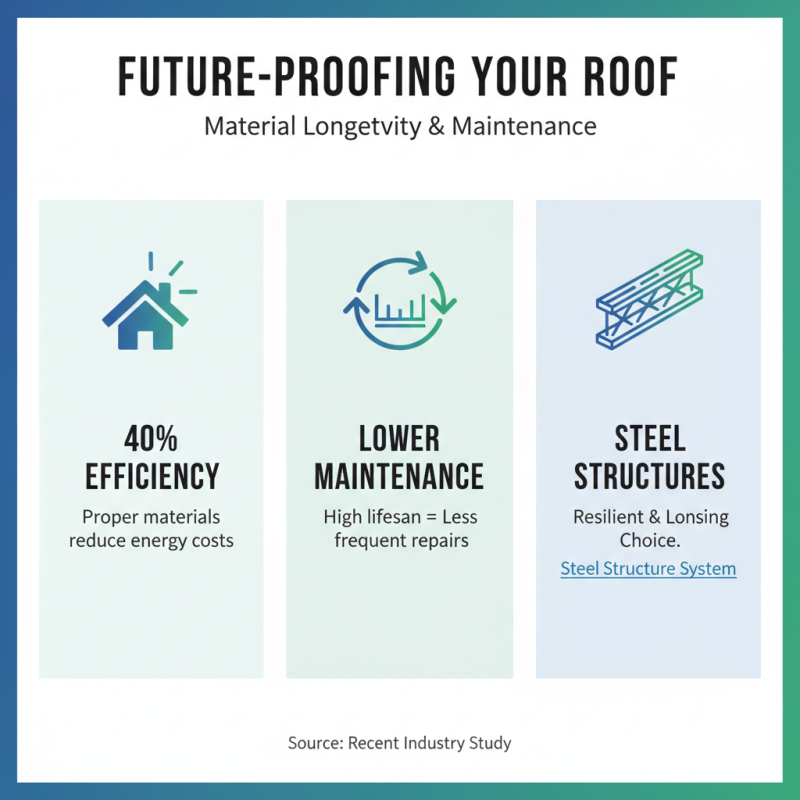
Choosing the right roof materials is vital for long-term durability and maintenance. A recent study notes that roofs account for about 40% of a building's energy efficiency. Selecting materials with a high lifespan can reduce maintenance frequency and costs. Steel Structure Systems are increasingly favored due to their resilience and longevity.
In regions with extreme weather, metal roofs outshine traditional options. They withstand winds of up to 140 miles per hour. Additionally, they reflect solar heat, contributing to energy savings. However, even the best materials require some upkeep. Minor issues, like rust or seam leaks, can impact overall performance. Regular inspections help identify these problems early on.
One must also consider local environmental factors. High humidity can affect certain materials more than others. Furthermore, aesthetic choices should align with material durability. Homeowners must balance appearance with functionality. Investing in quality materials today pays off in the long run, leading to a worthwhile, future-proof roof.
FAQS
: Climate is crucial. Different regions require materials that cater to their specific weather conditions.
They reduce heat absorption, helping keep buildings cooler and more energy-efficient.
Moisture-resistant options like clay tiles or treated metal help prevent mold and rot.
They can withstand winds up to 140 miles per hour and reflect solar heat.
Even durable materials can develop issues like rust or leaks, which require timely inspections.
Aesthetic choices should complement the material's long-term durability and function.
Some regions still favor traditional roofs, but they may have higher upkeep costs.
Insufficient installation can lead to issues like thermal expansion, affecting longevity.
They offer insulation and help manage heat effectively in warmer climates.
They reduce maintenance frequency and costs, ensuring a durable, efficient roof over time.
Conclusion
The article "Best Roof Structure Materials for Global Buyers 2026" explores the evolving landscape of roofing materials, focusing on emerging trends that will shape the market in 2026. It emphasizes the significance of balancing cost and durability in a comparative analysis of various roof structure materials, ensuring that buyers make informed choices based on their specific needs. Moreover, the article highlights the increasing demand for sustainable roofing options, showcasing eco-friendly materials that promote environmental responsibility.
Innovative technologies in roofing material production are also discussed, indicating a shift toward advanced solutions that enhance performance and longevity. The piece further addresses regional preferences, guiding buyers on selecting appropriate roofing materials tailored to different climates. Ultimately, it underscores the importance of future-proofing roofs by considering material longevity and maintenance requirements, ensuring that investments in roof structure materials are both durable and sustainable for years to come.