Building your dream home out of container houses? That’s honestly pretty innovative stuff. I mean, according to Lucy Morgan—she's the expert in sustainable architecture and also the founder of EcoContainer Homes—‘The choice of container house materials really makes a big difference when it comes to comfort and how long everything lasts.’ So true! Selecting the right materials can feel a bit overwhelming, though. Like, a lot of folks overlook how crucial good insulation really is for keeping the temperature just right. For example, Container House Insulation Materials can make a huge difference in how energy-efficient your place is. A house that's well insulated means lower energy bills and staying comfortable no matter how crazy the weather gets.
And honestly, using sustainable materials isn't just some passing trend; it’s pretty much a must these days. Steel, wood, eco-friendly insulations — they all have their good and bad sides. You really gotta think about your local climate and what looks good with your house’s overall vibe. Some options might seem like a good deal upfront but could end up costing you more in the long run in maintenance. A few homeowners have looked back and wished they chose differently. So yeah, take your time and consider every decision because, at the end of the day, it’s all about making sure your house fits your vision and values.
It’s exciting, but also a little daunting—just remember, you’re creating something truly your own.
Choosing the Right Materials for Container Homes
Choosing the right materials for container homes is crucial. They significantly affect durability and comfort.
Steel is a common choice for container homes. It offers strength and resistance against the elements.
However, steel can be prone to rust. Proper treatment and maintenance are essential.
Insulation is another key consideration. Effective insulation keeps the home comfortable in various climates.
Spray foam insulation is popular. It fills gaps well, but can be expensive.
Consider alternatives like rigid foam boards. They are cost-effective but may require more effort during installation.
Windows and doors also deserve attention. High-quality, energy-efficient options can prevent heat loss.
Poorly sealed openings can lead to drafts and higher energy bills. Pay attention to the frame materials as well.
Wood frames may look nice but can rot. Metal or fiberglass may offer better longevity.
This choice of materials for container homes can impact your dream home's overall functionality and appeal.
Advantages of Steel in Container House Construction
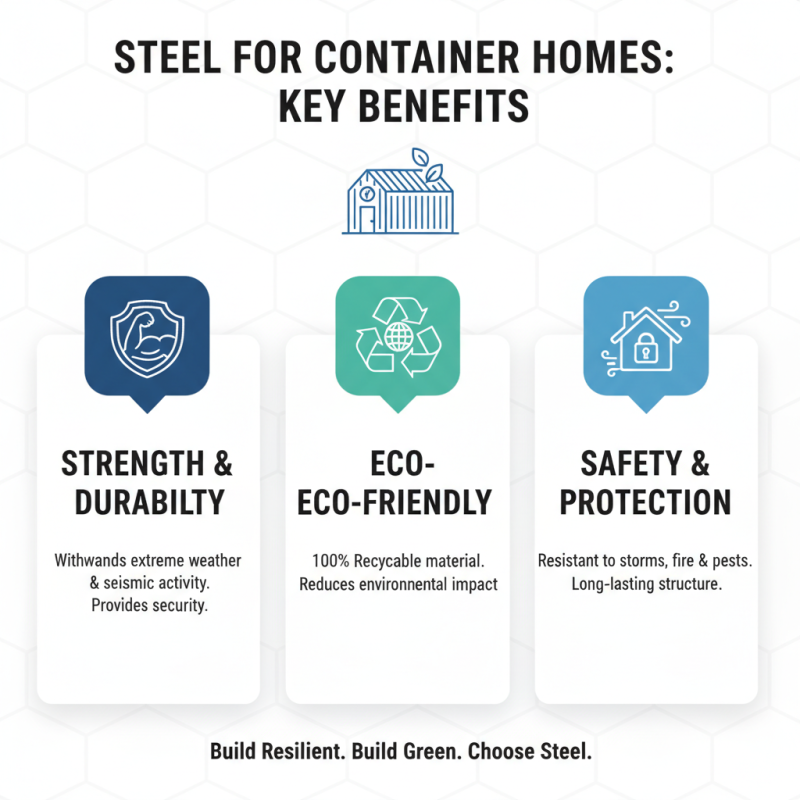
When it comes to building a container house, choosing the right materials is crucial. Steel stands out as a top choice for several reasons. Firstly, steel provides unparalleled strength and durability. It can withstand extreme weather conditions, making your home secure and safe. This is especially vital if you live in an area prone to storms or seismic activity. Moreover, steel is recyclable, aligning with eco-friendly building goals.
With the use of Prefabricated Building Materials, the construction process becomes efficient and streamlined. Tip: Consider sourcing prefabricated steel elements to save time and reduce on-site waste. This can lead to quicker completion times and lower labor costs.
However, not everything is perfect. Steel can be prone to rust if not properly treated. This needs to be addressed in your plans. Regular maintenance is key to preserving your home's integrity. Furthermore, the thermal conductivity of steel can lead to heat loss. Insulation becomes essential to ensure energy efficiency. Tip: Use high-quality insulation materials to minimize energy costs. Contemplate these aspects when designing your dream container house.
Insulation Options for Enhancing Container Home Comfort
When building a container home, insulation is key for comfort. Using the right materials can make a huge difference. Common options include foam boards, spray foam, and insulated panels. Each has its advantages. Foam boards are great for walls, while spray foam provides excellent air sealing. Insulated panels offer convenience but may require careful handling.
Consider the climate where you live. In cold areas, effective insulation can minimize heat loss. In warmer climates, it helps to keep interiors cool. It’s crucial to plan carefully. Assess the insulation thickness and R-value to suit your needs. You might realize that one option isn’t enough. A combination can often yield the best results.
**Tips:** Make sure to seal all openings properly. Air leaks can undermine insulation. Use vapor barriers in damp areas to prevent moisture damage. Test before finalizing your materials. Sometimes what looks good on paper doesn't work in practice. Testing can save future headaches and ensure comfort in your dream home.
Insulation Options for Enhancing Container Home Comfort
Sustainable Materials for Eco-Friendly Container Houses
When building an eco-friendly container house, choosing sustainable materials is crucial. Reclaimed wood adds warmth and character. Each piece carries stories from its past. It is often more affordable and reduces waste. Bamboo is another excellent choice. Known for its rapid growth, bamboo is durable and renewable. It offers a modern touch with natural beauty.
For insulation, consider recycled denim or cotton. These materials provide good thermal performance. They keep your container cozy, reducing energy costs. An often overlooked option is rammed earth. It provides thermal mass, helping regulate indoor temperatures. However, it requires proper expertise to install correctly.
Think about your roof too. Green roofs with native plants offer insulation and reduce stormwater runoff. They might need maintenance but can enhance biodiversity. Opting for sustainable materials is not just about the environment. It involves choices that reflect personal values and budgets. Evaluating options can sometimes feel overwhelming, but the effort leads to a dream home that truly resonates.
Interior Finishes That Complement Container House Design
Choosing the right interior finishes can elevate a container house’s design. Many homeowners opt for natural materials like wood. Wood brings warmth and a homely vibe. According to industry reports, about 70% of container home owners prefer wood elements. However, sourcing sustainably can be a challenge. Not all recycled wood meets safety standards.
Metal finishes can create a modern look. Stainless steel and aluminum often stand out. They’re durable and easy to maintain. But, metal can feel cold and uninviting. Balancing these elements is key. Some builders combine metals with softer textures. Adding textiles can help achieve a cozy feel.
Another popular choice is concrete. It’s a versatile option that complements various designs. Concrete also provides excellent insulation. However, too much bare concrete can make spaces feel stark. Mixing it with greenery or colorful decor can soften the aesthetics. Ultimately, the choice of interior finishes affects the overall comfort and appeal of the container house. Exploring new materials, like eco-friendly Steel Building Materials, might open more possibilities. Finding the right combination often requires reflection and testing.
Best Container House Materials for Your Dream Home? - Interior Finishes That Complement Container House Design
| Material Type |
Benefits |
Common Uses |
Maintenance Level |
| Steel |
Durable, weather-resistant, & recyclable |
Structural support & exterior walls |
Low |
| Wood |
Natural aesthetic, good insulation |
Interior finishes & flooring |
Medium |
| Insulation Foam |
High insulating properties, lightweight |
Wall systems & roofs |
Low |
| Glass |
Natural light enhancement, modern look |
Windows & atriums |
Medium |
| Metal Panels |
Durability, fire resistance, & low maintenance |
Exterior cladding & roofing |
Low |
| Concrete |
Strong, stable, & versatile |
Foundation & flooring |
High |
Roofing Choices for Durability and Aesthetics
When choosing roofing for your container home, durability and aesthetics are vital.
Metal roofing is a popular choice. It withstands harsh weather conditions. It also offers a modern look.
However, it can be noisy during rain. Consider using insulation to mitigate sound.
Another option is a green roof. This type utilizes plants and soil for insulation.
It helps with temperature regulation. While it is eco-friendly, maintenance can be challenging. Ensure you understand the upkeep involved.
Tips: Always check the weight of the roofing materials. Container homes have weight limits.
Also, think about drainage. Poor drainage can lead to leaks and damage. A well-planned roof contributes to your home’s overall longevity.
Waterproofing Solutions for Container Homes in Various Climates
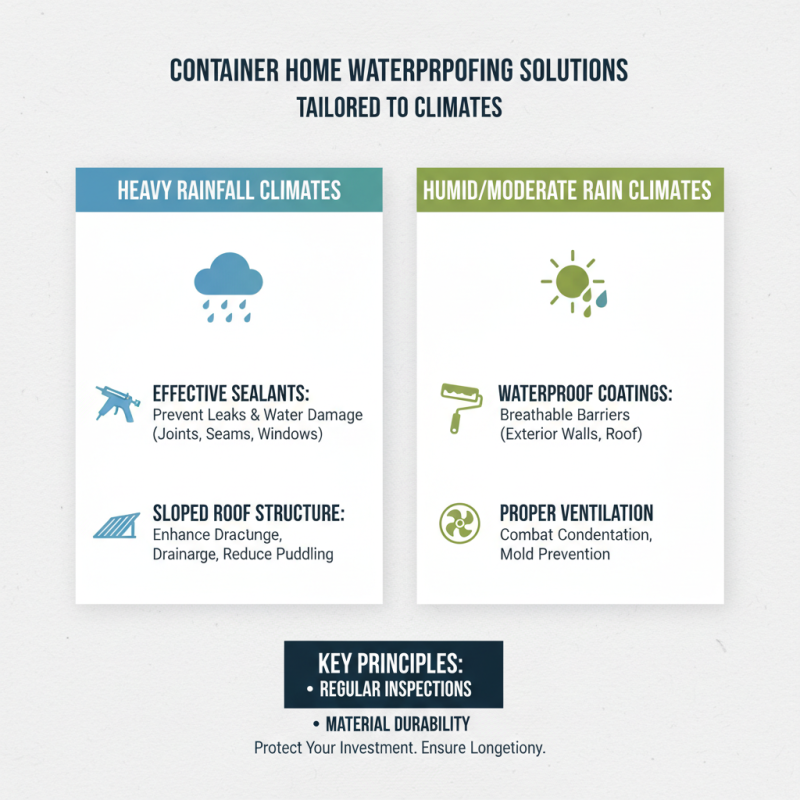
When considering waterproofing solutions for container homes, it's essential to tailor your approach to specific climates. In areas with heavy rainfall, using effective sealants is crucial. This helps to prevent leaks and water damage. An appropriate roof structure is vital for draining excess water. Sloped roofs can enhance drainage and reduce puddling, which can lead to deterioration.
In drier climates, the focus may shift towards UV protection. Applying a reflective coating to the Roof Structure Materials can help mitigate heat absorption. This not only prolongs the life of the container but also helps maintain a comfortable living space. Maintaining proper ventilation is another critical aspect. Without it, humidity can build up and cause issues over time.
Every climate presents its challenges. Cold regions might require additional insulation to avoid condensation inside the container. Using breathable membranes can also help in regulating moisture levels. However, finding the right balance can be tricky. Homeowners need to continuously assess their choices and make adjustments as necessary. Embracing imperfection can lead to unique solutions that enhance the functionality and durability of container homes.
Optimizing Living Spaces: The Benefits of Minimalist Design in Folding Container Houses
In recent years, minimalist design has gained traction as an effective way to enhance living spaces, particularly in the context of folding container houses. This approach emphasizes simplicity and functionality, creating an environment that is not only aesthetically pleasing but also highly practical. By utilizing fewer elements, minimalist design allows inhabitants to focus on what truly matters, fostering a sense of tranquility and clarity in their living environments.
Folding container houses, showcasing minimalist design principles, optimize space without compromising on comfort. These compact yet versatile homes can be customized to meet various needs while maintaining an efficient layout. Key features like multifunctional furniture and smart storage solutions make it easier for residents to maximize every square meter. Additionally, the adaptability of these structures aligns with the modern trend toward sustainable living, allowing homeowners to reduce their carbon footprint while enjoying a chic, uncluttered lifestyle.
With competitive purchasing options, such as FOB, EXW, CIF, or CFR from ports like Nansha and Shekou, acquiring a folding container house has become increasingly accessible. The flexibility in payment terms, including TT and LC, along with a minimum order quantity of 100 square meters, makes it a viable choice for both individuals seeking to downsize and businesses looking to innovate in their housing solutions. The promise of a quick delivery time of 20-25 days further enhances the appeal, ensuring that minimalist living is just a step away.
FAQS
: Regular exercise improves cardiovascular health. It also boosts mood and energy levels.
Aim for at least 150 minutes of moderate activity weekly. Break it into manageable sessions, if needed.
Yes, you can do many workouts at home. Consider bodyweight exercises, yoga, or online fitness classes.
Skipping a workout occasionally is fine. Just don’t make it a habit. Reflect on your motivation.
A light snack like fruit or yogurt can help. Avoid heavy meals right before workouts.
Set achievable goals and track your progress. Find a workout buddy or join a community for support.
It's crucial to rest and consult a professional. Returning too soon could worsen your injury.
Signs include persistent fatigue and lack of enthusiasm. Listen to your body and take breaks when needed.
Choose comfortable clothing and suitable footwear. Avoid tight or restrictive options that hinder movement.
Yes, many classes welcome beginners. It's a chance to learn and adjust at your pace. Just be open to feedback.
Conclusion
When planning the construction of a container home, selecting the right Container House Materials is crucial for achieving durability, comfort, and aesthetic appeal. Steel, the primary material used in container houses, offers structural integrity and resistance to various environmental factors. Additionally, effective insulation options enhance energy efficiency, ensuring that indoor comfort is maintained across different climates.
Sustainable materials can further contribute to eco-friendly designs, promoting environmental responsibility in construction. Interior finishes can be tailored to complement the unique design of container homes, creating inviting living spaces. Furthermore, appropriate roofing materials not only enhance the home’s aesthetic but also provide longevity. Lastly, waterproofing solutions are essential to protect container homes from moisture issues that may arise in different weather conditions, making thoughtful material selection vital for any container house project.