Leave Your Message
Request a Quote
0%

As more and more people get interested in living sustainably, container homes are really gaining popularity around the world. Finding the right materials is super important — it makes all the difference when it comes to durability and comfort. Industry folks often say that the quality of your container house materials can totally influence how nice and efficient your home turns out. For example, Mark Thompson, a well-known expert in eco-friendly architecture, once mentioned, 'Choosing the right materials can turn a simple container into a stylish, livable space.'

When it comes to container house materials, they need to tick a few boxes — good insulation, strength, and affordability are key. These days, a lot of builders focus on insulation materials because they help keep the place energy-efficient. Proper insulation is especially vital if you're in a climate with extreme temperatures, because it helps keep the indoor temperature steady and cuts down on energy costs. Plus, it’s better for the environment.

That said, not all materials are created equal. Some can trap moisture, which isn't ideal, or might compromise the structural integrity over time. Buyers really need to do their homework and think carefully about what’s best for their situation. It’s also a smart move to team up with experienced pros who know their stuff — they can give you the inside scoop on what materials are reliable. Since the world of container homes keeps evolving, making smart, informed choices is so important if you want to be happy with your new space in the long run.

2026 Best Container House Materials for Global Buyers?

Overview of Container House Construction Materials

Container homes are gaining popularity for their versatility and eco-friendliness. The choice of materials used in constructing these homes affects their durability and aesthetic appeal. Steel frames are a common choice. They provide strength and support, ensuring long-lasting structures. However, their heavy weight can complicate transport.

Another popular material is insulation. Proper insulation is vital for energy efficiency. Foam boards and spray foam are two effective options. These materials help maintain a steady temperature inside the container home. Without good insulation, occupants may face comfort issues, especially in extreme weather.

Wood accents can enhance the interior design. They add warmth and character. However, wood requires maintenance to prevent rot and pest issues. Furthermore, selecting sustainable wood is important. This choice reflects a commitment to environmental responsibility. Each material decision impacts the home's performance and aesthetics. Consideration of these factors is crucial when designing container homes.

Durable Materials for Enhanced Longevity in Container Homes

When considering container homes, durability is key. The right Container House Materials can greatly impact the lifespan of a home. Steel is a common choice due to its strength and corrosion resistance. It withstands harsh weather conditions, making it suitable for various climates. However, over time, even steel can rust. Proper treatments are essential to maintain its integrity.

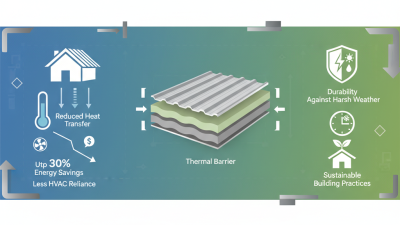
Another option is insulated panels. These materials offer excellent thermal performance and energy efficiency. They help regulate indoor temperatures, reducing heating and cooling costs. Yet, insulation quality can vary. Buyers should research their options carefully to ensure they choose reliable materials.

Finally, sustainable materials like reclaimed wood and eco-friendly composites are gaining traction. They not only enhance the aesthetic but also reduce environmental impact. However, these materials may require more maintenance and may not be as long-lasting as metal alternatives. Exploring different Container House Materials involves weighing durability against aesthetic and environmental considerations.

Sustainable Options for Eco-Friendly Container House Designs

Sustainable design is essential in today's world. The choice of materials significantly impacts the environment. Using recycled shipping containers as a foundation for container houses is both innovative and eco-friendly. Some designers integrate green roofs, which provide insulation and promote biodiversity. These structures can blend seamlessly into natural landscapes, offering aesthetic appeal and ecological benefits.

Insulation is crucial for energy efficiency. XPS and cellulose are popular options. They provide excellent thermal performance without harming the environment. It's also worth exploring natural materials like bamboo or rammed earth. These materials are renewable and have a minimal carbon footprint.

One challenge is sourcing sustainable materials. Availability varies by region. Not all areas have easy access to eco-friendly options. It requires careful planning and sometimes compromises. However, the effort to create sustainable container houses is a valuable investment in the future. Balancing design and environmental responsibility remains a crucial task for architects and builders alike.

Cost-Effective Materials for Budget-Friendly Container Housing

When considering cost-effective materials for container housing, many options emerge. Steel is a primary material due to its durability. It's strong and can handle extreme weather. Additionally, it is often available at a lower cost than traditional building materials. However, welding and assembly require skilled workers. This can increase initial costs.

Wood is another choice for budget-friendly homes. It offers warmth and aesthetic appeal. Plywood and reclaimed wood are popular. They can create beautiful interiors without breaking the bank. Yet, wood needs maintenance to prevent rot and pests. This can be an ongoing expense that some overlook.

Choosing insulation wisely impacts overall costs as well. Foam insulation offers great energy efficiency. It can reduce heating and cooling bills. However, it's essential to balance upfront costs against long-term savings. Sometimes, cheaper options might not provide the best efficiency. Being aware of these details helps when planning your container home budget.

2026 Best Container House Materials for Global Buyers

Material Type Cost per Square Foot ($) Durability (Years) Thermal Insulation (R-Value) Eco-Friendliness (1-5)
Steel $15 50+ 0.5 3
Wood $25 30 1.0 4
Insulated Panels $20 40 5.5 5
Concrete $30 75 0.1 2
Bamboo $18 20 1.2 5

Insulating Materials for Energy Efficiency in Container Homes

When constructing container homes, choosing the right insulating materials is crucial. Energy efficiency is one of the key benefits of well-insulated homes. According to the U.S. Department of Energy, proper insulation can reduce energy costs by up to 30%. Prefabricated Building Materials often provide excellent thermal resistance, ensuring a comfortable living environment.

Common options include spray foam insulation and rigid foam boards. Spray foam offers high R-values, typically R-6 to R-7 per inch. This makes it ideal for tight spaces in container homes. Rigid foam boards also perform well, with R-values ranging from 3.8 to 6.5 per inch. These materials are lightweight and easy to install, which can streamline the construction process.

Many builders overlook the importance of air sealing in addition to insulation. Gaps can lead to significant energy loss. Research shows that poorly insulated homes can lose up to 50% of their heating and cooling energy. A focus on both insulation and air sealing can greatly enhance energy efficiency. As container homes gain popularity, understanding these materials becomes essential for sustainability and livability.

Trends in Container House Materials: Innovations and Advances

2026 Best Container House Materials for Global Buyers?

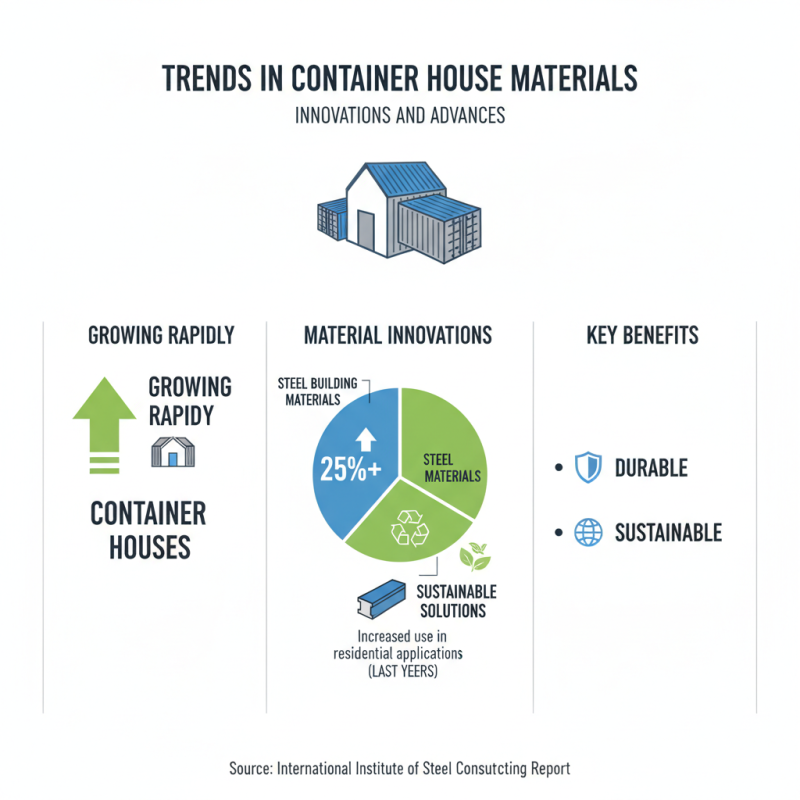
The trend towards container houses is growing rapidly. Innovations in container house materials are reshaping the industry. According to a report from the International Institute of Steel Construction, the use of Steel Building Materials has increased by over 25% in residential applications in the last five years. This shift indicates a growing preference for durable, sustainable building solutions.

Sustainable materials are gaining traction. Many architects now use high-quality insulation and eco-friendly finishes. For instance, lightweight materials can improve energy efficiency by reducing heat loss. Despite this, some builders still face challenges in sourcing reliable, sustainable materials. The supply chain can be unpredictable, leading to delays and increased costs.

There is also a notable interest in repurposing shipping containers. This method not only utilizes existing materials but also reduces waste. However, rigorous structural integrity assessments are necessary to ensure safety and compliance with building codes. The challenge lies in balancing creativity with practicality in this evolving market.

Global Sourcing: Where to Find Quality Container House Materials

When sourcing materials for container houses, it's crucial to understand where to find quality options. Many global buyers often look for reliable suppliers with a proven track record. A great place to start is construction expos and trade shows dedicated to innovative housing solutions. Here, you can connect with manufacturers who specialize in sustainable materials. It's wise to ask about their sourcing methods and sustainability practices.

Another valuable avenue is online marketplaces. These platforms offer a variety of container house materials from different regions. However, not all sellers are equally trustworthy. Buyers should conduct thorough research. Look for verified reviews and ratings. Specific focus on products like Roof Structure Materials can provide insight into how well they perform under various climatic conditions.

Networking within industry forums can also reveal hidden gems. Engaging with experts offers you firsthand insights. However, keep in mind that not every suggestion will suit your needs. Some materials may lack the durability required for long-term use. Always ask questions and take your time to evaluate options carefully. Quality matters when building a home that lasts.

FAQS

: What are important materials for insulating container homes?

: Spray foam insulation and rigid foam boards are commonly used. They provide great thermal resistance.

How much can proper insulation reduce energy costs?

Proper insulation can cut energy costs by up to 30%. It's significant for overall efficiency.

What R-value does spray foam offer?

Spray foam typically offers R-values between R-6 and R-7 per inch. It's ideal for tight spaces.

Why is air sealing important in construction?

Air sealing prevents significant energy loss. Poorly insulated homes can lose up to 50% of energy.

Where can I find quality materials for container houses?

Attend construction expos, trade shows, or browse online marketplaces. Reliability is key in sourcing.

Are online marketplaces reliable for sourcing materials?

Not all online sellers are trustworthy. Research reviews and seller ratings before purchasing.

What should I consider when networking in industry forums?

Engage with experts for insights. However, remember that not all suggestions will suit your needs.

Can all materials last long in container homes?

Some materials may lack durability for long-term use. Evaluate options carefully to ensure quality.

How can I enhance energy efficiency in my container home?

Focus on both insulation and air sealing. It's essential for improving overall energy performance.

Conclusion

The article "2026 Best Container House Materials for Global Buyers" explores various aspects of materials used in container house construction. It begins with an overview of essential container house materials that enhance durability and extend the lifespan of these innovative homes. Emphasizing sustainability, the article highlights eco-friendly options that contribute to responsible building practices. Additionally, it discusses cost-effective materials suitable for budget-conscious buyers, alongside insulating materials that improve energy efficiency.

Furthermore, the article outlines the latest trends and innovations in container house materials, providing insights into the future of sustainable living. Global sourcing tips are also included, offering guidance on where to find high-quality container house materials for residents and builders alike. This comprehensive examination serves as a valuable resource for anyone interested in constructing or investing in container homes.

Oliver

Oliver

Oliver is a dedicated marketing professional with a deep understanding of the construction industry's evolving landscape. With a strong focus on "standardization, modularization, and generalization," he plays a pivotal role in promoting the company's comprehensive temporary construction solution......
Previous Essential Tips for CE Certification of Insulated Roof Panels in China?