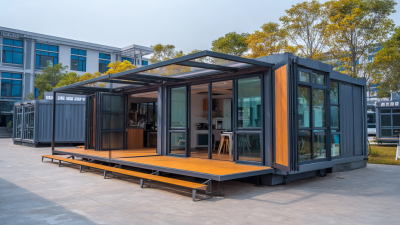
Lately, you’ve probably noticed that container houses are really gaining popularity — it's like there's a fresh, innovative vibe sweeping through the housing scene. As more folks around the world look for sustainable and budget-friendly options, the materials you pick become super important. I recently read what John Smith from Eco Home Solutions said: 'The right container house materials can turn a simple design into something sturdy and reliable.' Honestly, that kinda stuck with me because it really highlights how crucial your choice of materials is.
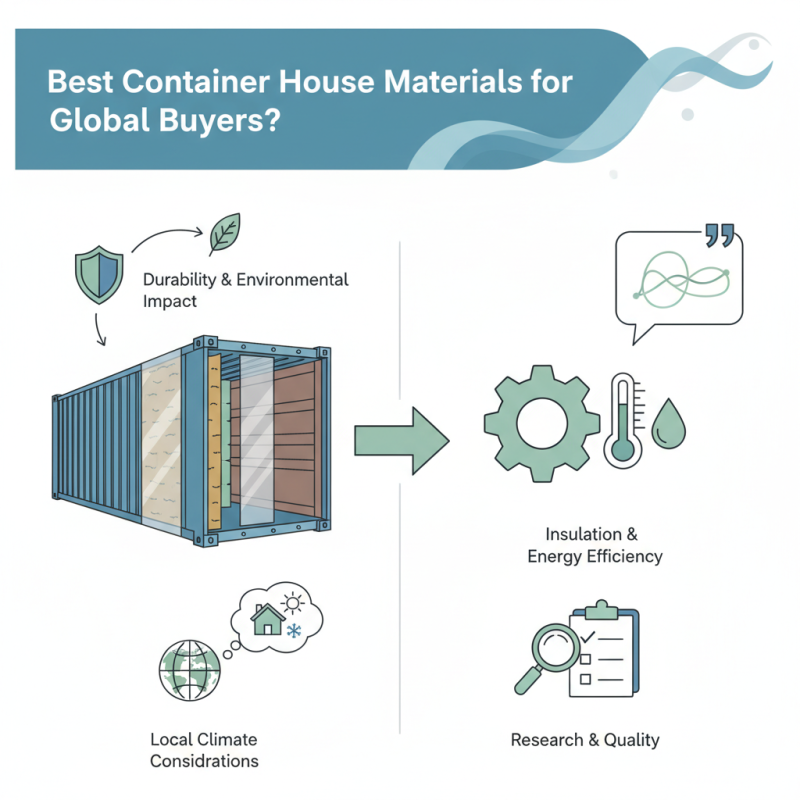
When you're choosing these materials, durability and how eco-friendly they are are key factors. For instance, Container House Insulation Materials play a big role in keeping things energy-efficient. I know, sometimes people overlook insulation details, but trust me, nailing the right ones makes a huge difference in how comfortable your place feels. Plus, the good-quality stuff can help prevent issues like moisture buildup or temperature swings, which nobody wants.
And it’s not a one-size-fits-all deal — different climates call for different materials. Experts always say you should really think about your local weather when picking out what to use. Sure, there are tons of options out there, but it’s worth taking a step back and considering what your long-term needs are. Because let’s be honest, a house with perfect construction doesn’t mean much if the materials aren’t up to snuff — that’s what really makes a home comfortable and lasting. To get it right, you’ve gotta do some research and understand what you’re actually choosing. It’s all about making smart, informed decisions right from the start.
Understanding Container House Basics and Their Benefits
Container houses have gained popularity due to their sustainability and affordability. They offer a unique solution for modern living while minimizing environmental impact. Understanding the basics of container houses can help you appreciate their potential benefits.
One significant advantage is their flexibility in design.
Container House Materials can be adapted for various climates and styles. This versatility allows for creative spaces that stand out. However, not all materials are created equal. Some may lack insulation or durability. Research is essential to find the right materials for your needs.
Tips: Consider using eco-friendly insulation materials to improve energy efficiency. Explore local regulations on container house construction. Ensure that you choose quality Container House Materials for safety and longevity. Building with containers can be rewarding, yet mistakes can be costly. Reflect on your design choices and consult with experts when necessary.
Exploring Different Materials Used in Container House Construction
Container houses have gained popularity due to their sustainability and cost-effectiveness. Various materials play a critical role in their construction.
Steel, for instance, is the primary element in container houses.
According to a report from the International Energy Agency, about 60% of container structures utilize high-strength steel. This not only ensures durability but also contributes to energy efficiency.
Another key material in container house construction is insulation. Proper insulation is crucial for maintaining comfortable indoor temperatures.
Foam insulation, which has a low thermal conductivity, is often preferred. Research indicates that using thick foam can reduce energy consumption by up to 25%.
However, improper installation can lead to thermal bridges. Such issues must be addressed to enhance energy efficiency.
Wood is occasionally incorporated into container designs, often for aesthetic appeal. It brings warmth to interiors but can be susceptible to moisture damage.
A survey conducted by Sustainable Housing Magazine highlighted that many builders find this trade-off challenging. Additionally, reliance on
Prefabricated Building Materials
can improve construction efficiency but may limit design flexibility. As the market grows, ongoing evaluation of these materials will be essential to ensure optimal performance and sustainability.
Top Steel Specifications for Container House Durability
When considering materials for container houses, the choice of
steel is critical. Steel not only provides structural integrity but also enhances
durability. Various specifications of steel cater to different environmental challenges. Standard grades like
S235 and S355 are popular due to their strength and versatility. They resist deformation under heavy loads and are
less prone to corrosion.
Choosing the right thickness is also essential. Thicker steel offers more strength but can increase the overall weight.
A balance needs to be struck between durability and manageability. Environmental factors, such as humidity and temperature fluctuations,
play significant roles in this decision. Some steel types might suffer under extreme weather, which can lead to unexpected repair costs.
Another point to consider is the quality of welding used in constructing the container houses. Poor welding can create weak points,
leading to structural failures. Regular inspections and quality checks can mitigate these risks. Overall,
steel choices must be informed by both durability and the specific needs of
the container house’s environment. Making an informed decision is vital for a long-lasting structure.
Insulation Options for Energy Efficiency in Container Homes
When constructing container homes, insulation plays a crucial role in energy efficiency. Energy-efficient insulation reduces heating and cooling costs significantly. A recent industry report shows that up to 50% of energy used in homes is for temperature control. The right materials can make a substantial difference.
Common insulation options include spray foam, fiberglass batts, and rigid foam boards. Spray foam provides excellent thermal resistance and can fit into irregular spaces. This method also acts as an air barrier, enhancing energy efficiency. However, it can be more costly and requires careful application.
Fiberglass is a popular choice due to its affordability and effectiveness. It typically has an R-value of about 3.1 to 4.3 per inch. Despite its advantages, fiberglass can be less effective in high humidity. Rigid foam boards offer high insulation values and are easy to install. But, they may require additional measures to prevent moisture accumulation. These choices illustrate the need for careful consideration in selecting insulation materials for container homes.
Sustainable Materials for Eco-Friendly Container Houses
When constructing eco-friendly container houses, choosing the right materials is crucial. Sustainable materials not only reduce environmental impact but also enhance the home's longevity. Reclaimed wood is a popular choice. It adds warmth and character. Moreover, it keeps valuable resources from ending up in landfills. Bamboo is another excellent option. It grows rapidly and is incredibly strong. Using bamboo supports environmentally friendly practices.
Another material worth considering is recycled steel. This option provides durability and strength. Steel is resistant to pests and moisture, which can lead to fewer repairs. However, sourcing good quality recycled steel can be challenging. Some buyers might overlook the importance of proper insulation. Effective insulation is vital for energy efficiency. This aspect can sometimes be a missed opportunity in container home projects.
Natural insulation materials, such as sheep's wool or cork, are great alternatives. These materials are renewable and offer excellent thermal performance. However, they may require more investment upfront. Eco-conscious builders should carefully weigh these options. Not all sustainable choices may fit every budget or project scope. Balancing cost with environmental benefits is a constant challenge in designing container houses.
Best Container House Materials for Global Buyers
This bar chart represents a sustainability rating for various materials commonly used in eco-friendly container houses. The ratings are on a scale of 1 to 10, showcasing the potential of each material in supporting sustainable building practices.
Comparing Cost-Effectiveness of Various Container House Materials
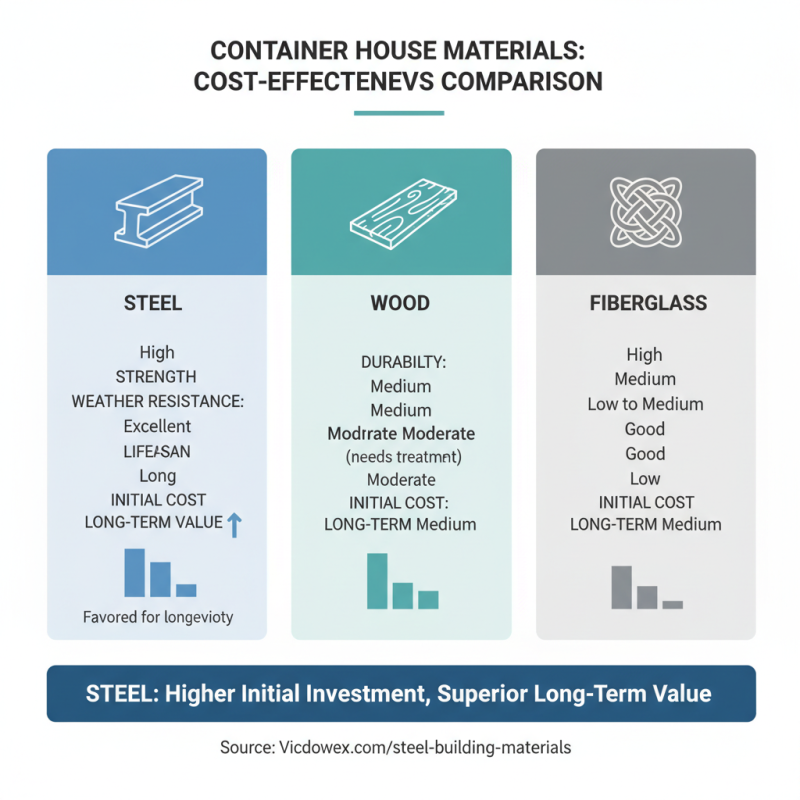
When choosing materials for container houses, cost-effectiveness plays a crucial role. Steel Building Materials stand out due to their durability and strength. They can withstand harsh weather conditions, making them a reliable choice for various climates. Many builders prefer steel for its long lifespan, which often outweighs the initial cost. However, initial purchase prices for steel materials can be higher compared to alternatives like wood or fiberglass.
Yet, it’s essential to consider maintenance costs along with initial expenses. Steel requires less upkeep, which can lead to savings over time. In contrast, wooden structures may need regular treatment to prevent deteriorative issues. Some buyers might find that the upfront investment in steel pays off later through reduced maintenance expenses.
Another factor is insulation. Steel containers can conduct heat, leading to higher energy costs if not properly insulated. Using insulating materials adds to construction costs but can enhance energy efficiency. Builders should weigh these aspects carefully. Overall, the decision on container house materials should reflect not just initial affordability, but long-term viability.
Innovative Finishing Materials for Aesthetic Appeal in Container Homes
Creating aesthetically pleasing container homes relies heavily on
innovative finishing materials.
These materials not only enhance the home's look but also improve its functionality.
You can choose from various options like reclaimed wood,
metal cladding, or even
eco-friendly paints.
The choice of material sets the tone for the overall design.
Tip: Consider using natural materials that blend well with your environment.
For instance, bamboo or cork can offer
a unique flair while remaining sustainable. While metal gives a modern
touch, it may not provide adequate insulation. Reflect on the climate in which your
container home will reside.
Roof Structure Materials
also play a significant role in the home’s appearance and efficiency.
Lightweight materials such as corrugated steel
or thermoplastic can make a strong statement.
However, the effectiveness of these materials in insulation and soundproofing may vary.
Always weigh the pros and cons before making a choice.
Your container home should be a reflection of both style and
comfort.
Revolutionizing Housing Solutions: Market Analysis and Future Trends for Quick Assembly Container Houses in the Light Steel Industry
The quick assembly container houses are gaining momentum in the light steel industry, primarily due to their affordability and efficiency. In recent market analyses, it has been reported that the demand for prefabricated structures is projected to grow at a compound annual growth rate (CAGR) of over 6% from 2023 to 2030. The innovative design allows for rapid deployment, making them an ideal solution for areas needing immediate housing, such as disaster relief zones or temporary accommodations for workers in remote locations.
This versatility extends across various applications, from residential to commercial use. With price terms like FOB, EXW, CIF, and CFR available, buyers can choose their preferred shipping arrangements to ports such as Nansha, Huangpu, and Shekou, ensuring a streamlined purchasing process. Furthermore, the minimum order quantity of 100 square meters makes these solutions accessible to both large-scale projects and smaller ventures, fostering widespread adoption in the current market.
The quick-assembly box model emphasizes efficiency, with a delivery time of just 20-25 days, accentuating its appeal in a fast-paced construction landscape. Financially, payment terms such as TT and LC cater to various buyer preferences, making it easier for customers to invest in these modern housing solutions. As the trends towards sustainability and rapid deployment continue to shape the housing market, container houses stand out as a revolutionary option within the light steel industry.
FAQS
: Container houses primarily use steel, insulation materials, and sometimes wood for aesthetic purposes.
Steel provides structural integrity and durability, resisting deformation and corrosion under various conditions.
Proper insulation maintains comfortable indoor temperatures and can reduce energy consumption significantly.
While wood enhances aesthetic appeal, it can be prone to moisture damage, making it a tricky choice.
Thicker steel increases strength but also adds weight. Finding a balance is essential for overall manageability.
Poor welding creates weak points, so regular inspections and quality checks are necessary to ensure structural reliability.
Options include reclaimed wood, metal cladding, and eco-friendly paints, contributing to both style and functionality.
Different materials perform differently in varying climates, affecting insulation and overall comfort.
The design should balance aesthetic appeal with comfort, functionality, and sustainability.
They can boost construction efficiency but may limit design flexibility, presenting a consideration for builders.
Conclusion
Container house materials are essential for creating durable, energy-efficient, and aesthetically pleasing homes. Understanding the basics of container houses reveals numerous benefits, such as affordability and rapid construction. Various materials play a pivotal role in the construction of container homes, with steel being the primary choice due to its strength and longevity.
Furthermore, insulation options are crucial for energy efficiency, ensuring that these homes remain comfortable in different climates. Sustainable materials contribute to eco-friendliness, making container houses a viable option for environmentally conscious buyers. When evaluating cost-effectiveness, different materials exhibit varying benefits and drawbacks, while innovative finishing materials enhance the visual appeal of container homes. By considering these factors, global buyers can effectively select the best container house materials for their needs.