Lately, with more folks looking for affordable housing options, container houses have started gaining popularity, mainly because they’re innovative and flexible. One of the biggest factors that makes these homes work well is the kinda materials you choose to build them with. The right materials don’t just make the structure last longer—they also play a big role in making the house more sustainable. Companies like Modular Home Builders and Container Homes USA have really been pushing the boundaries here, offering all sorts of options to choose from.
Now, if you’re thinking about Container House Insulation Materials, it’s pretty important to pay attention to the details. Good insulation isn’t just about keeping the place cozy—it also helps cut down on energy bills and keeps everything comfortable inside. But here’s the thing: not all insulation materials are created equal. Some might be easy on the pocket but could struggle in extreme weather. So, it’s really worth doing your homework—look at how well each material manages heat and how eco-friendly they are.
A lot of companies now talk about using green or eco-friendly options, but the reality can be a bit different. It’s common for people to second-guess their choices after they’ve moved in. That’s why research is a must. Take your time to compare different options and think about both the upfront costs and what you’ll get out of it in the long run. When it comes to container homes, making smart, informed decisions about the materials you pick can make all the difference.
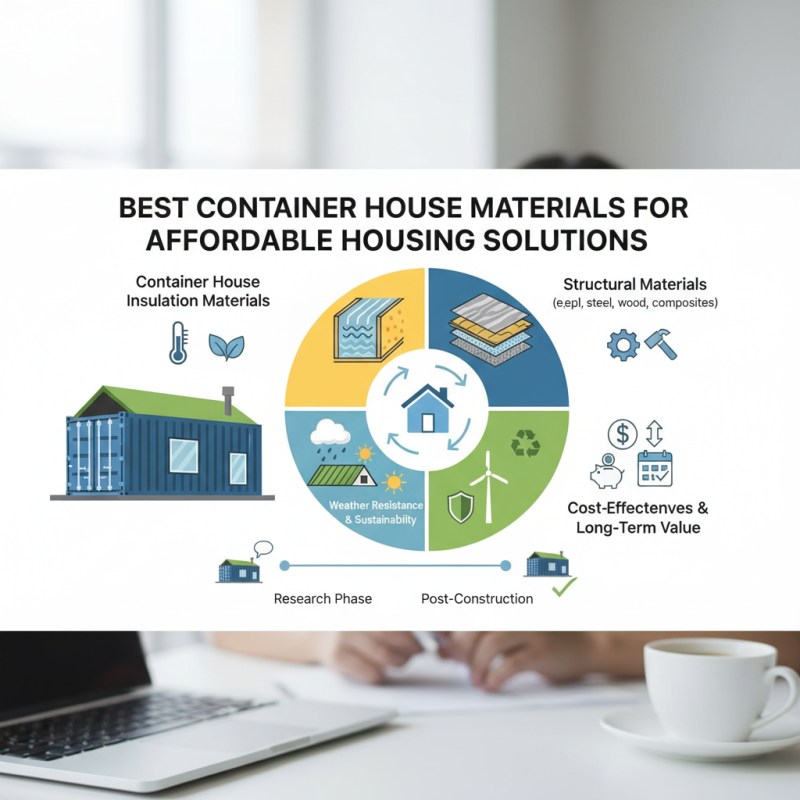
Introduction to Container Homes as Affordable Housing Solutions
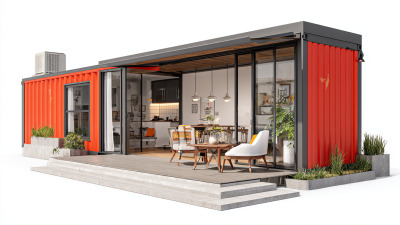
Container homes are becoming a popular solution for affordable housing. These structures use shipping containers, which can be modified to create functional living spaces. They are often praised for their sustainability and cost-effectiveness. The appeal lies in their durability and easy assembly. However, they do come with challenges.
Selecting the right Container House Materials is crucial. Insulation is often overlooked but is essential for comfort. Many containers need extra insulation for colder climates. Some owners report issues with condensation and moisture. Using high-quality materials can address these problems. Windows and doors also require careful planning. Poorly sealed openings can lead to energy loss.
The design flexibility of container homes is attractive but requires creative solutions. Open floor plans can enhance space usage, but load-bearing concerns must be considered. DIY projects can save money but require a good skill set. Not everyone has the knowledge or tools for complex modifications. While container homes can be affordable, unforeseen expenses may arise. It’s important to plan and budget carefully.
Benefits of Using Shipping Containers for Housing
Shipping containers offer a unique solution for affordable housing. These sturdy structures are designed to withstand harsh conditions at sea. They can easily be repurposed into homes, providing a strong foundation. Builders appreciate the durability and strength of container walls. This material does not warp easily, ensuring longevity for residents.
One key benefit is affordability. Converting shipping containers to homes costs less than traditional building methods. Basic modifications can transform these containers into comfortable living spaces. Insulation and interior design allow for customized environments. Yet, the process isn’t without challenges. Proper ventilation is essential to prevent condensation. Some find the aesthetic unappealing, requiring creative design solutions.
Sustainability is another major advantage. Reusing containers reduces waste in landfills. Their metal construction means less reliance on new materials. Communities benefit from innovative housing solutions that are both economic and environmentally friendly. Still, sourcing containers can be inconsistent. Ensuring structural integrity during modifications is crucial. All these factors must be considered for effective implementation.
Key Factors in Choosing Container House Materials
When selecting materials for container houses, several critical factors must be considered. The durability of the materials is paramount. Container houses need to withstand various weather conditions. According to a report from the International Organization for Standardization (ISO), robust materials can extend the lifespan of these homes significantly. Weather-resistant elements such as high-quality insulation can mitigate energy costs, reflecting an ongoing trend in affordable housing.
Cost-effectiveness also plays a crucial role in choosing container house materials. A study by the American Institute of Architects indicates that using Prefabricated Building Materials can reduce construction time and labor costs by up to 30%. While it may be tempting to opt for cheaper materials, the long-term maintenance costs can offset initial savings. Therefore, investing in quality materials is essential for sustainability.
Finally, sustainability is a growing concern. Eco-friendly options like recycled materials reduce the environmental impact of construction. However, balancing sustainability with affordability remains a challenge. Reports show that while sustainable materials often come at a premium, they can lead to overall cost savings in energy efficiency. Hence, every decision made in material selection for container houses requires careful consideration and reflection on both immediate and long-term effects.
Sustainable and Eco-Friendly Materials for Container Homes
When considering affordable housing solutions, container homes stand out as a viable option. They're not just cost-effective; they can also be built using sustainable materials. For instance, recycled insulation helps maintain energy efficiency. This not only lowers energy bills but also reduces waste in landfills.
Using reclaimed wood for finishes enhances aesthetics while minimizing environmental impact. It brings character to spaces and often tells a story. However, sourcing quality reclaimed materials can be challenging, and not all suppliers are reliable. Venturing into this market requires research and trust in local providers.
Moreover, integrating natural materials like bamboo offers strength and sustainability. Bamboo grows rapidly, making it an eco-friendly choice. Yet, maintaining the integrity of bamboo structures with fluctuating climates may pose challenges. It requires ongoing maintenance and a clear understanding of local weather conditions. Each material choice calls for thoughtful consideration, balancing aesthetics with practical longevity.
Best Container House Materials for Affordable Housing Solutions
| Material |
Sustainability Rating |
Cost per Square Foot |
Insulation Properties |
Durability |
| Recycled Steel |
High |
$6 |
Moderate |
Very Durable |
| Wood |
Moderate |
$5 |
High |
Moderate |
| Insulated Panels |
Very High |
$8 |
Excellent |
High |
| Bamboo |
High |
$7 |
Moderate |
Moderate |
| Recycled Shipping Containers |
High |
$4 |
Good |
Very Durable |
Durability and Insulation: Essential Considerations
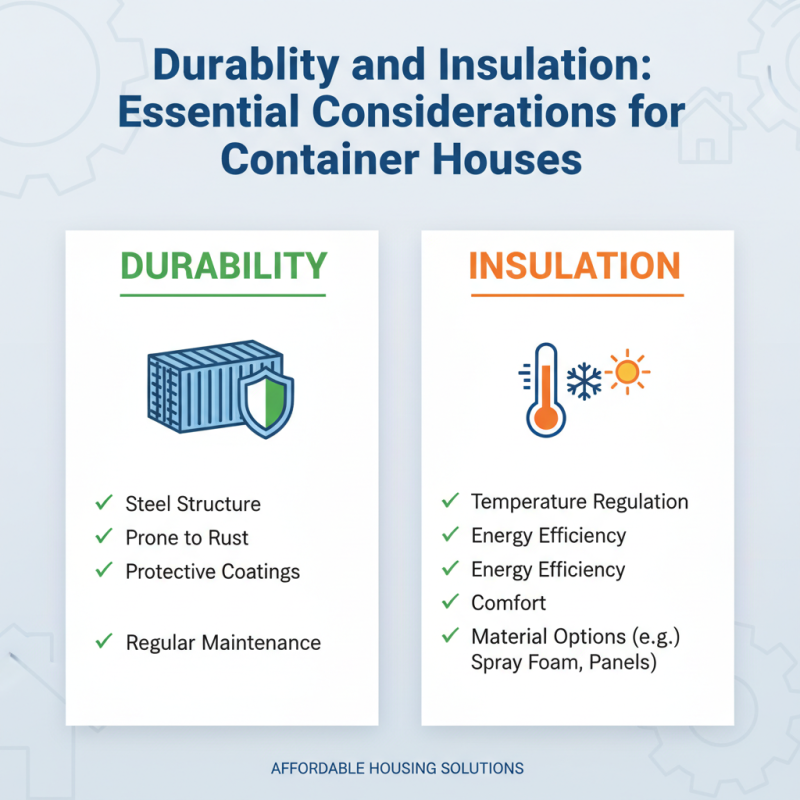
When considering container houses for affordable housing solutions, durability and insulation are key factors. Container homes are often made of steel, which provides a robust structure. However, this material can also be prone to rust over time. It’s crucial to incorporate proper protective coatings and maintenance strategies to prevent deterioration.
Insulation is another critical consideration. Metal containers can become extremely hot or cold, which affects comfort and energy efficiency. Effective insulation methods include spray foam, reflective barriers, or even reclaimed materials. Each option has its pros and cons. For example, while spray foam seals gaps well, it may require professional installation.
Additionally, the choices made can lead to challenges in energy efficiency. Underinsulating a space may lead to higher heating and cooling costs. Utilizing sustainably sourced materials adds complexity but can enhance the overall effectiveness of the structure. Balancing cost, durability, and comfort should guide decision-making in creating a functional living space.
Cost-Effective Solutions: Budget-Friendly Material Options
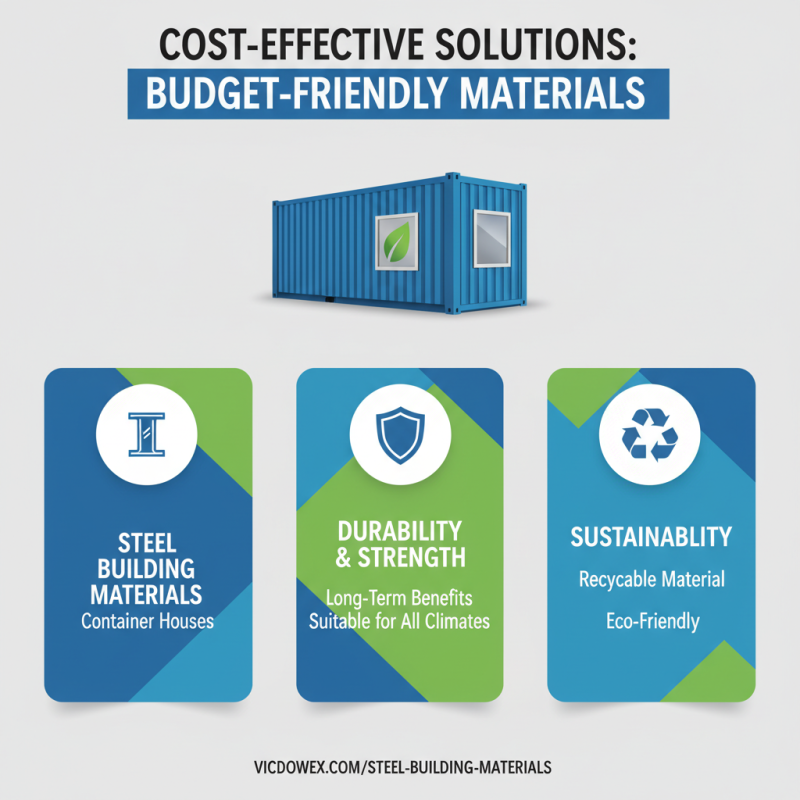
When considering affordable housing solutions, the choice of materials plays a vital role. Steel Building Materials have emerged as a cost-effective option for container houses. Their durability and strength provide long-term benefits, making them suitable for various climates. Additionally, steel is recyclable, which adds to its sustainability appeal.
Tips: Choose steel that has a protective coating. This extra layer can prevent rust and extend the life of your structure. It's essential to evaluate local suppliers for the best prices. Sometimes, buying in bulk offers significant savings.
Using insulated panels can enhance energy efficiency. These panels reduce heating and cooling costs. Think about your area's climate when selecting insulation options. Remember, not all panels are created equally. Some may require more maintenance, like re-sealing. After all, durability should meet your budget needs for long-term benefits. Always weigh options carefully to achieve the best results.
Innovative Techniques for Enhancing Container Home Structures
Container homes are gaining popularity due to their affordability and versatility. Innovative techniques can enhance these structures significantly. One effective method is utilizing advanced insulation materials. Proper insulation helps maintain a stable temperature inside the home while ensuring energy efficiency. This aspect is crucial for comfortable living while minimizing energy costs.
When considering roofing, one should look into various
Roof Structure Materials. These can include steel, wood, or even green roofing solutions. Steel offers durability and resistance to harsh weather, while wood provides a natural aesthetic. Green roofs add insulation and promote biodiversity, making them an eco-friendly choice.
Tips for building a container home: Focus on structural integrity. Check local regulations before starting any construction. Make sure to incorporate sufficient ventilation. Also, consider modular designs for easy expansion. These factors can lead to a more sustainable and efficient living space. Planning is essential, but flexibility in design will help address future needs. Reflecting on shortcomings during the planning phase can lead to better decisions later.
Innovative Container Living: Exploring the Versatility of Space Extension Designs
Innovative Container Living has emerged as a transformative approach to maximizing space through versatile design solutions. With the growing need for adaptable living and working environments, expandable container structures provide an ideal solution, allowing users to customize their spaces while ensuring functionality and aesthetics. These innovative designs make it possible to create comfortable homes, efficient offices, or even pop-up retail spaces with minimal disruption and quick setup.
The Expandable Box model stands out due to its practical features and ease of use. With a minimum order requirement of just 100 square meters and a delivery timeframe of 20-25 days, it presents a highly accessible option for those looking to explore container living. By shipping from various ports, including Nansha and Shekou, this design offers flexibility to meet diverse logistical needs. Available under various price terms such as FOB, CIF, or EXW, it caters to different preferences and budgets, making it a pragmatic choice for various applications, from residential to commercial uses.
FAQS
: Durability is essential. Materials must withstand weather conditions. Consider how long they will last and perform.
Look for prefabricated materials. They can save time and labor costs. However, don't ignore long-term maintenance expenses.
Eco-friendly options reduce environmental impact. Sustainable materials can offer energy efficiency but might cost more initially.
Effective choices include spray foam and reflective barriers. Each has pros and cons to consider carefully.
It can lead to higher heating and cooling costs. Proper insulation is crucial for maintaining a comfortable environment.
Regular protective coatings can prevent rust and deterioration. Consistent upkeep ensures longevity and performance.
Using insulated panels can significantly reduce energy costs. Match insulation options to your local climate.
Not necessarily. Low-cost materials might require more maintenance, impacting long-term savings. Quality matters.
Yes, steel is durable and recyclable. Ensure it has a protective coating to prolong its lifespan.
While they may be more costly, they often lead to long-term savings. Balancing cost and benefits is vital.
Conclusion
Container homes have emerged as a popular and affordable housing solution, leveraging the unique benefits of shipping containers. This article explores the various advantages of using container house materials, highlighting their cost-effectiveness and adaptability for sustainable living. Key factors to consider when selecting materials include durability, insulation properties, and environmental impact, ensuring that these homes are not only affordable but also eco-friendly.
Moreover, innovative techniques can enhance the structural integrity of container homes, making them viable long-term housing options. By focusing on budget-friendly material choices and sustainable practices, individuals can achieve comfortable and stylish living spaces while addressing housing affordability. Ultimately, container house materials offer a practical pathway towards creative and sustainable housing solutions for diverse communities.