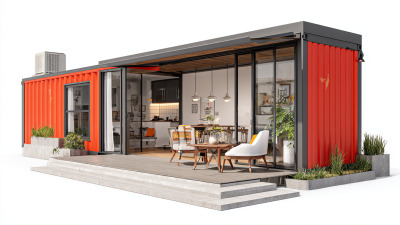
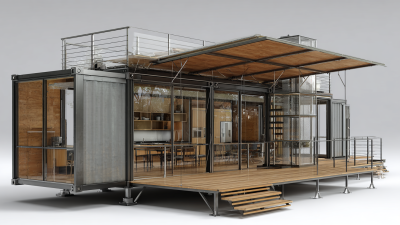
Finding affordable living options is becoming more and more important these days. That's where Container House Kits come into play—they're an innovative and practical solution. These kits are eco-friendly and budget-friendly, making them a pretty smart choice for any kind of housing. Mark H. Anderson, the CEO of EcoContainers, points out that “Container House Kits let you create stylish, sustainable living spaces.”
Using containers opens up a ton of possibilities. Whether you're thinking about a cozy little home, a functional workspace, or even a peaceful retreat, the options are pretty much endless. You can customize them from sleek, minimalist designs to more elaborate setups—whatever fits your vibe. Of course, it’s not all smooth sailing; sourcing the right materials and making sure the insulation is done properly can be tricky sometimes.
Diving into the world of Container House Kits can seriously change the way you see building and living. They offer a fresh perspective and a chance to embrace a more unique lifestyle. That said, it’s important to think things through and plan carefully if you want to turn that dream home into reality. But overall? It’s definitely worth exploring if you’re after something different and sustainable.

Benefits of Choosing Container Houses for Affordable Living
Container houses have gained popularity for their affordability and unique aesthetic. Reports indicate that building with shipping containers can reduce costs by 30% to 50% compared to traditional homes. This option allows individuals and families to invest in quality materials while lowering labor expenses. The versatility of containers enables various designs. They can be stacked, arranged, or modified, offering countless possibilities for personal expression.
One significant benefit of container homes is their eco-friendliness. According to the Environmental Protection Agency, construction and demolition waste accounts for approximately 25% of total waste in the U.S. Using recycled materials like shipping containers can drastically reduce this waste. Container homes can also boast energy efficiency, as they can be easily insulated. With proper design, homeowners can enjoy lower energy bills.
However, there are challenges to consider. Container homes may require additional insulation to combat temperature fluctuations. Some municipalities have strict zoning laws that could complicate installations. Additionally, not all container kits come with comprehensive building instructions. These aspects require careful planning and research from prospective homeowners. Overall, container houses offer innovative living solutions, yet they demand thoughtful consideration before diving in.
Different Types of Container House Kits Available in the Market
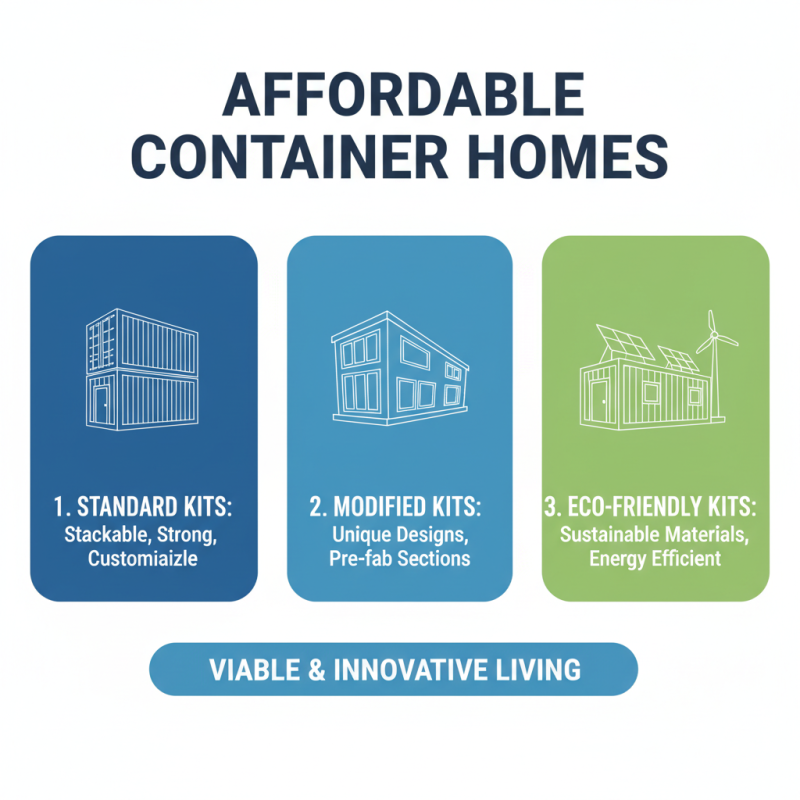
When considering affordable living, container house kits present a viable option. There are several types of container house kits available in the market today. The most common include standard shipping container kits, modified container kits, and eco-friendly options. Shipping container kits are stackable and offer strong structural integrity. They can easily be customized for various living needs.
Modified container kits often feature additional insulation and aesthetic enhancements. According to a report from the Container Homes Association, these kits provide better energy efficiency, making them more appealing. Research indicates that nearly 60% of customers favor eco-friendly options, emphasizing sustainability. These kits can include green roofs and solar panels.
While options abound, challenges exist. Not all kits are easy to assemble. Buyers may need professional help. Additionally, zoning regulations can vary greatly. Research shows that even in semi-rural areas, local laws can restrict container home installations. Buyers should consider these variables. Affordable living can be achieved, but not without careful planning and understanding of the options available.
Key Features to Look for in Container House Kits
When considering a container house kit, several key features can enhance your living experience. First, look for sturdy materials. Steel containers are popular, but some may show rust over time. Select kits that provide proper insulation. Temperature control is crucial, especially in extreme climates. Good insulation can save on heating and cooling costs.
Another important aspect is the design flexibility. Some kits offer customizable layouts, allowing for unique arrangements. However, be cautious of kits with limited options. You want a home that feels personal. Pay attention to space-saving features. Fold-down furniture or convertible spaces can maximize the use of smaller areas. This can prevent cramped feelings.
Finally, think about sustainability. Look for kits that include eco-friendly options. Solar panels or rainwater collection systems are pluses. But remember, investing in these features may increase initial costs. Prepare for potential challenges there. Container homes can be cost-effective, but navigating local regulations can be tricky. Always research your area’s building codes thoroughly.
Step-by-Step Guide to Assembling a Container House Kit
Building a container house can be an exciting yet challenging endeavor. It's essential to follow a step-by-step guide to make the process smoother. Begin with site preparation. Clear the area and ensure it is level and stable. This foundational work is crucial. If the ground isn't right, issues may arise later.
Next, focus on the assembly of the container itself. Ensure you have the right tools and materials handy. It’s tempting to rush, but take your time. Each container should be inspected for rust or damage. Repair any issues before moving forward. Learning from mistakes is part of the journey.
Tips: Pay attention to insulation. Many overlook this, leading to uncomfortable living conditions. Consider window placement for natural light. This can significantly alter the ambiance. Don’t forget about proper ventilation. Stale air can become a problem. Plan carefully, and always keep an eye on the little details.
Cost Breakdown: Budgeting for Your Container Home Project
When considering a container home, budgeting is essential. Start with the initial cost of the container. A standard 40-foot shipping container usually ranges from $2,000 to $5,000. However, prices vary by location and condition. It’s wise to factor in delivery fees, which can add up quickly, especially for long distances.
Next, think about modifications. Insulation is crucial for comfort, yet it can be costly. Basic insulation materials may run between $500 to $1,500. Windows and doors also require attention. Installing quality windows can lead to an extra $2,000, but this is worth it for energy efficiency. Don’t overlook plumbing and electrical work. Hiring professionals for these jobs can push costs significantly higher.
Lastly, landscape and outdoor enhancements play a role in the financial plan. Creating a welcoming space outside may require additional expenses. Plants, decks, or patios can quickly add $1,000 or more to your budget. Reflect on your priorities clearly. This way, you can make informed decisions while embracing the unique charm of container living.
Sustainable Living: Eco-Friendly Aspects of Container Homes
Container homes are gaining popularity for their eco-friendly attributes. Many people seek sustainable living options. These homes use recycled shipping containers, minimizing waste. According to the Global Construction 2030 report, construction waste could reach 2.2 billion tons by 2025. Utilizing containers can significantly reduce this waste.
These structures offer energy efficiency. Container homes can be designed with solar panels and green roofs. This can lower energy consumption by up to 40%. Additionally, they allow for better temperature regulation. However, some designs may focus too much on aesthetics rather than functionality. This can lead to less optimal energy use and comfort.
Water conservation is another critical aspect. Rainwater harvesting systems can be integrated into container homes. These systems can reduce water usage by 30-50%. While the benefits are evident, challenges still exist. Insulation may be inadequate in some cases. Therefore, proper research is essential to ensure sustainable living in container homes.
Real-Life Examples of Successful Container House Constructions
Container houses are gaining attention as a viable housing solution. Many people have successfully turned shipping containers into homes. These projects often stand out for their creativity and affordability. A report by the Container Housing Association highlights that over 90% of completed projects remain within budget. This is encouraging.
Take a look at real-life examples. In an urban area, a couple converted two containers into a cozy dwelling. They faced challenges like insulation and plumbing, but managed to create a stylish space. Their reported living costs dropped by over 50%. However, some projects faced difficulties with zoning regulations. This aspect can complicate the building process significantly.
Another noteworthy case is a community project in rural areas. Residents pooled resources to develop container homes collectively. They aimed to create affordable housing options. Research indicates that this approach can reduce construction costs by up to 30%. Yet, potential issues include limited land access and financing hurdles. These factors require careful planning and reflection.
Best Container House Kit Ideas for Affordable Living
| Design Style |
Container Count |
Square Footage |
Cost Estimate |
Key Features |
| Minimalist |
2 |
800 sq ft |
$30,000 |
Open layout, large windows, eco-friendly materials |
| Family Home |
3 |
1200 sq ft |
$50,000 |
3 bedrooms, 2 baths, rooftop deck |
| Modern Cottage |
1 |
400 sq ft |
$20,000 |
Sustainable design, compact living, wood accents |
| Dual-Use |
2 |
600 sq ft |
$35,000 |
Home+Office space, efficient storage, outdoor patio |
| Luxe Retreat |
4 |
2000 sq ft |
$100,000 |
High-end finishes, large spaces, smart home features |
Innovative Space Solutions: The Rise of Flat Pack Container Houses for Efficient Living
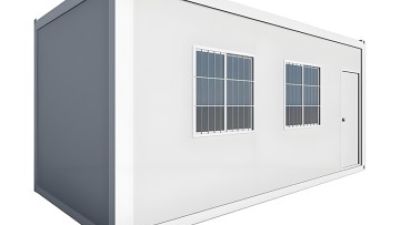
In today's fast-paced world, innovative space solutions are increasingly necessary as urban populations rise and living spaces become more constrained. The emergence of flat pack container houses exemplifies this trend, offering an efficient and versatile living option for a variety of environments. These compact homes are designed for sustainability and ease of transport, making them an appealing choice for both temporary and permanent residences.
Constructed using robust materials, flat pack container houses can be quickly assembled and customized to fit the specific needs of their inhabitants. They can be shipped via various methods, including FOB, EXW, and CIF, to ports such as Nansha, Huangpu, and Shekou. This flexibility in shipping options facilitates their adoption in diverse locations, ensuring that anyone can benefit from modern, economical living solutions. As the demand for efficient housing rises, many homeowners and developers are turning to these innovative designs, which boast spacious layouts and functional aesthetics, all while meeting environmental standards.
Overall, the rise of flat pack container houses embodies a shift towards more sustainable and scalable living solutions. With the ability to deliver a substantial model within 20-25 days, these homes offer a promising alternative to traditional construction methods. Whether it's for urban dwellers, off-grid enthusiasts, or sustainable development projects, these efficient living options are set to revolutionize the housing landscape.
FAQS
: The product aims to enhance daily convenience. It makes routine tasks simpler and more efficient for users.
Follow the instructions provided. Ensure you adjust settings according to personal needs. Experiment with different uses.
Yes, avoid using it near water. Keep it away from heat sources as well. Safety is important.
Yes, many users find it versatile. However, results can vary based on individual usage. Explore to find best fit.
Check the troubleshooting guide included. If issues persist, consider seeking assistance from customer support.
Typically, a limited warranty is offered. Read the details carefully. Understand what is covered and for how long.
Use a soft cloth for cleaning. Avoid harsh chemicals. Regular maintenance prolongs the product's life.
The product comprises various durable materials. Check the specifications for exact details to understand its quality.
While generally safe, it may not meet everyone's needs. Evaluate if it fits your lifestyle and usage habits.
Conclusion
Container House Kits have emerged as a popular solution for affordable living, providing a unique blend of affordability, sustainability, and versatility. These kits come with various types tailored to different needs, featuring essentials that make assembly straightforward. When considering a Container House Kit, it’s crucial to examine the key features that enhance functionality and longevity, ensuring a comfortable living space.
A step-by-step guide is often available to assist in the assembly process, making it accessible for those new to construction. Additionally, budgeting for a container home project is essential, as it provides a clear cost breakdown for effective financial planning. Emphasizing eco-friendly aspects, container homes represent a sustainable living option that has already been successfully implemented in various real-life examples. Overall, Container House Kits not only offer an economical housing solution but also contribute to a greener lifestyle.