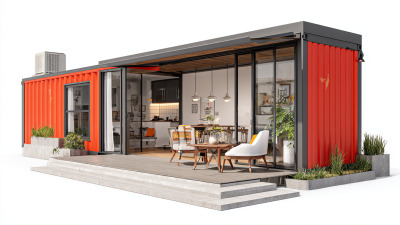
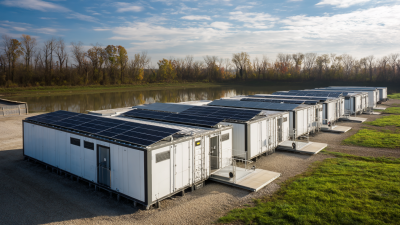
Lately, there's been a real buzz about finding affordable housing options, and it’s inspiring to see some pretty innovative ideas popping up. One that’s gaining a lot of attention is the Container House Kit. Honestly, it’s looking like a really practical alternative for folks trying to save a bit while still getting decent quality. Did you know, according to a report from the International Organization for Migration, about 1.6 billion people around the world don’t have proper housing? That really puts things into perspective and highlights why we need sustainable, budget-friendly options now more than ever.
Building a container home is surprisingly quick and straightforward. The price for a Container House Kit usually falls somewhere between $10,000 and $50,000, depending on how big it is and how much you customize it. There are quite a few companies out there, like MODS International and Container Homes USA, that make these kits accessible for different budgets. But, heads up—don’t forget to factor in those extra costs like land prep and permits, because those can add up pretty fast.
Now, while these container kits definitely open up some cool possibilities, they’re not without their challenges. Some folks have mentioned issues with insulation or design constraints that can be a bit limiting. So, it’s super important to do your homework and maybe chat with experts before jumping into a container home project. Getting the details right can really make all the difference when it comes to making affordable living a reality without running into surprises down the line.
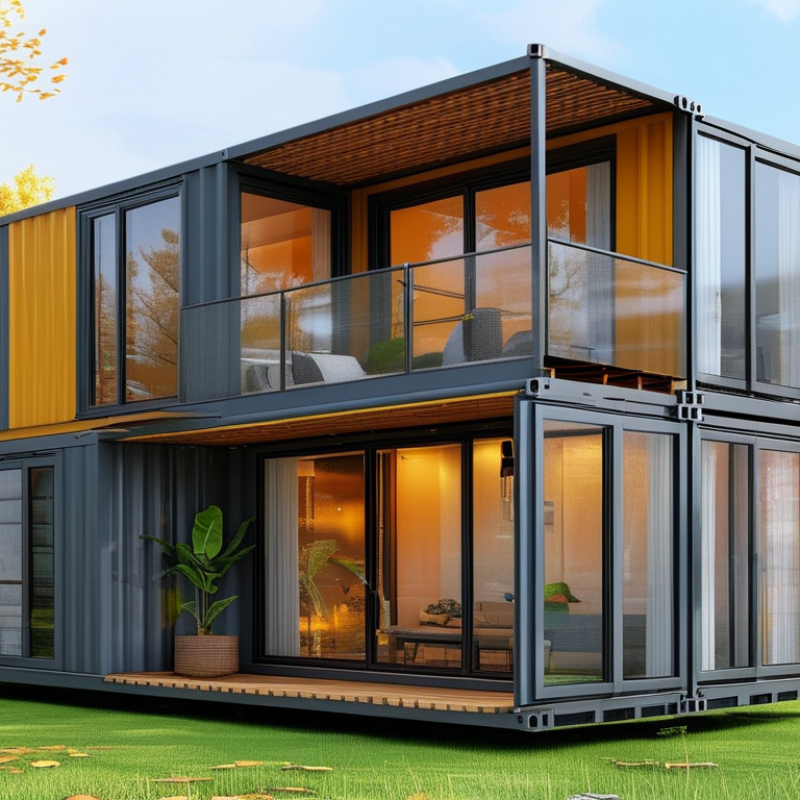
What is a Container House Kit?
A container house kit is a collection of materials and plans designed for constructing a home from shipping containers. These kits often include pre-cut and insulated containers, along with necessary hardware. They provide an excellent starting point for anyone interested in utilizing shipping containers as a living space. The process can be more straightforward than traditional homebuilding.
Choosing a container house kit can be daunting. Different kits offer varying levels of customizability and complexity. Consider the space available on your property. Some kits are smaller, while others can be combined for larger layouts. You may also need to think about local zoning laws and building codes. It's essential to ensure your design meets all requirements to avoid future complications.
Living in a container house can be a unique experience. It encourages a minimalist lifestyle with fewer possessions. However, it's important to reflect on potential challenges. Space is often limited, and the design may require creativity to maximize functionality. Insulation and ventilation are crucial too. Without proper adjustments, these homes can become hot in summer and cold in winter.
Best Container House Kit for Affordable Living Solutions
| Feature |
Description |
Estimated Price (USD) |
Size (sq ft) |
Best For |
| Basic Kit |
Includes essential materials for a simple container home |
$15,000 |
160 |
Single individuals or couples |
| Deluxe Kit |
Includes high-quality insulation and luxury finishes |
$25,000 |
320 |
Families |
| Eco-Friendly Kit |
Made from sustainable materials with energy-efficient systems |
$20,000 |
250 |
Environmentally-conscious buyers |
| Family Expansion Kit |
Designed for growing families, includes extra space |
$30,000 |
400 |
Large families |
| Mini Kit |
Compact design ideal for small living spaces |
$10,000 |
80 |
Minimalists |
Benefits of Living in a Container Home
Container homes are gaining popularity for their cost-effectiveness and sustainability. Recent studies indicate that building a container home can be 25-30% cheaper than traditional housing. This affordability appeals to many seeking budget-friendly living options. Additionally, container homes can be constructed in various styles and sizes. This flexibility allows for creativity in design, which can enhance community appeal.
Living in a container home also offers eco-friendly benefits. These structures are made from repurposed shipping containers, reducing waste. According to a report by the United Nations, over 60% of global waste comes from construction. Therefore, using containers contributes to sustainability. Moreover, container homes are energy-efficient, making them an attractive option for environmentally-conscious individuals.
However, it’s essential to consider potential challenges. Container House Disaster Relief efforts highlight the need for proper insulation and ventilation. Poorly designed homes may suffer from temperature control issues. Moreover, not all local regulations support container living, which can complicate permits. Despite these considerations, many find that the benefits of container living outweigh the drawbacks.
Key Features to Look for in Container House Kits
When choosing a container house kit, several key features are essential. First, consider the material quality. High-grade steel increases durability. Look for corrosion-resistant finishes. This will enhance the lifespan of your home.
Insulation is another crucial aspect. Effective insulation keeps the interior comfortable. It helps in extreme weather conditions. Pay attention to the design flexibility offered by the kit. More flexible options can better match your vision.
Tips: Evaluate your land conditions. Some kits work better on flat surfaces. Others can adapt to uneven terrain. This consideration might influence your choice significantly. Also, assess the assembly process. Some kits require advanced skills. Others are more DIY-friendly, making it easier for beginners.
Space optimization is vital. Container homes can feel cramped. Look for kits that offer expandable designs. Multi-functional spaces also provide better living experiences. Think about future needs as well. Potential family size changes can impact your choice. Remember, practicality and style should go hand in hand.
Comparative Analysis of Popular Container House Kits
Container house kits have gained popularity as affordable living solutions. A recent industry report indicates that the global market for container homes is projected to grow by 22% annually. This surge is driven by rising housing costs. Many individuals seek alternative housing options that offer both savings and flexibility. However, choosing the right container house kit can be challenging.
When comparing popular container house kits, it’s crucial to consider insulation and Climate Control. Proper insulation is critical for maintaining a comfortable living environment. Many kits provide basic insulation, but higher-quality options are often necessary to ensure effective temperature regulation. Studies show that homes with better insulation can reduce energy costs by 30%. Some kits lack detailed specifications regarding insulation material, making it difficult for buyers to judge their effectiveness.
Customization is another important aspect. Many container house kits offer modular designs, allowing for personalized layouts. However, some kits have limited options for expansion or modification. Buyers should carefully evaluate these features to determine if the kit meets their long-term needs. It's essential to weigh the affordability of the initial investment against potential renovation costs. Balancing budget and quality will lead to a more satisfactory living experience in the long run.
Cost-Effectiveness and Budgeting for Container Homes
When considering affordable living solutions, cost-effectiveness plays a pivotal role.
Container homes offer a unique and budget-friendly option. They can be purchased as kits, allowing homeowners to manage expenses effectively. Depending on design and location, the total cost can vary significantly. However, many find that container home construction can save tens of thousands of dollars compared to traditional housing.
Tips: To minimize costs, consider purchasing a used shipping container. Prices for these containers vary, but a well-maintained model can be affordable. Additionally, DIY kits can help cut labor costs. Just make sure to account for local building codes and permits, as these can add unforeseen expenses. Every decision can affect your budget, requiring careful planning and reflections on your priorities.
Another aspect to consider is long-term savings.
Container House Portable Housing
may offer reduced utility bills due to better insulation and energy efficiency. However, initial setup costs for plumbing and wiring are essential to budget for. Reflecting on these details can help ensure that your container home remains a sustainable living solution for years to come. Always evaluate your needs against potential costs for the best results.
Sustainability and Environmental Impact of Container Homes
Container homes have gained popularity for their affordability and sustainable design. They utilize repurposed shipping containers, which helps reduce waste. However, the environmental impact extends beyond materials. Building with containers can lower the carbon footprint compared to traditional homes. The use of fewer resources makes them appealing to eco-conscious buyers.
On the downside, container homes can present challenges. Insulation and temperature control are critical. Many owners encounter issues with metal containers heating up or becoming too cold. Proper planning and modifications are essential to create a comfortable living space. Additionally, local regulations can limit where and how these homes are constructed.
Container homes often require creativity in design. They allow for unique architectural options, which can be both a benefit and a challenge. Owners must consider how to maximize space while ensuring sustainability. Relying on solar panels and rainwater harvesting systems can enhance their eco-friendliness. Yet, these systems may require ongoing maintenance, prompting reflection on their viability in the long term.
Building Regulations and Permits for Container Houses
Building a container house can be an attractive option for affordable living. However, understanding building regulations and permits is crucial. Each area has unique codes concerning container houses. Research your local rules before starting.
Permits often involve safety standards, zoning laws, and land use regulations. Ignoring these can lead to fines or delays. It’s wise to consult with a local expert. Their knowledge helps navigate complex regulations. They also provide insights on how to optimize your Container House Eco Architecture for local conditions.
Tips: Always check with your city or county about specific requirements. Local building departments can guide you. Engage with local container home communities online. Their experiences can highlight potential pitfalls. Remember, not all container structures are created equal. Quality varies, impacting both safety and comfort.
FAQS
: It’s a set of materials and plans for building a home from shipping containers.
Think about the space available and local zoning laws. Customizability also varies across kits.
It promotes a minimalist lifestyle and can be more affordable than traditional homes.
Yes, space can be limited, requiring creative solutions. Insulation and ventilation are also critical.
They prevent fines and delays. Each area has unique codes regarding safety and zoning.
Research local regulations and consult with an expert. Engaging with container home communities can help.
Quality affects both safety and comfort, so it’s crucial to choose wisely.
Creative design and careful planning are essential. It may require thinking outside the box.
Conclusion
A Container House Kit offers an innovative solution for affordable living, utilizing repurposed shipping containers to create versatile and sustainable housing options. These kits come with various benefits, including lower costs, quick assembly, and a unique aesthetic appeal. When considering a Container House Kit, prospective homeowners should look for key features such as insulation quality, design flexibility, and structural integrity.
Additionally, a comparative analysis of popular container house kits can help buyers choose the right fit for their needs. Cost-effectiveness is a crucial factor, with careful budgeting allowing for a viable housing solution. Container homes also promote sustainability, reducing waste and minimizing environmental impact. However, it’s essential to be aware of local building regulations and permits required for constructing a container home to ensure compliance and safety in the building process.