- Home
- Products
- Solution
- Case
- Partnership
- About Us
- News
Inquiry
Leave Your Message
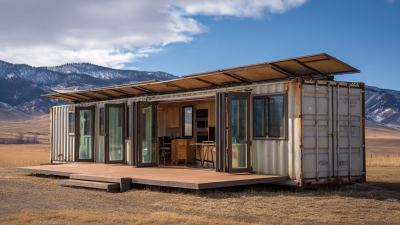
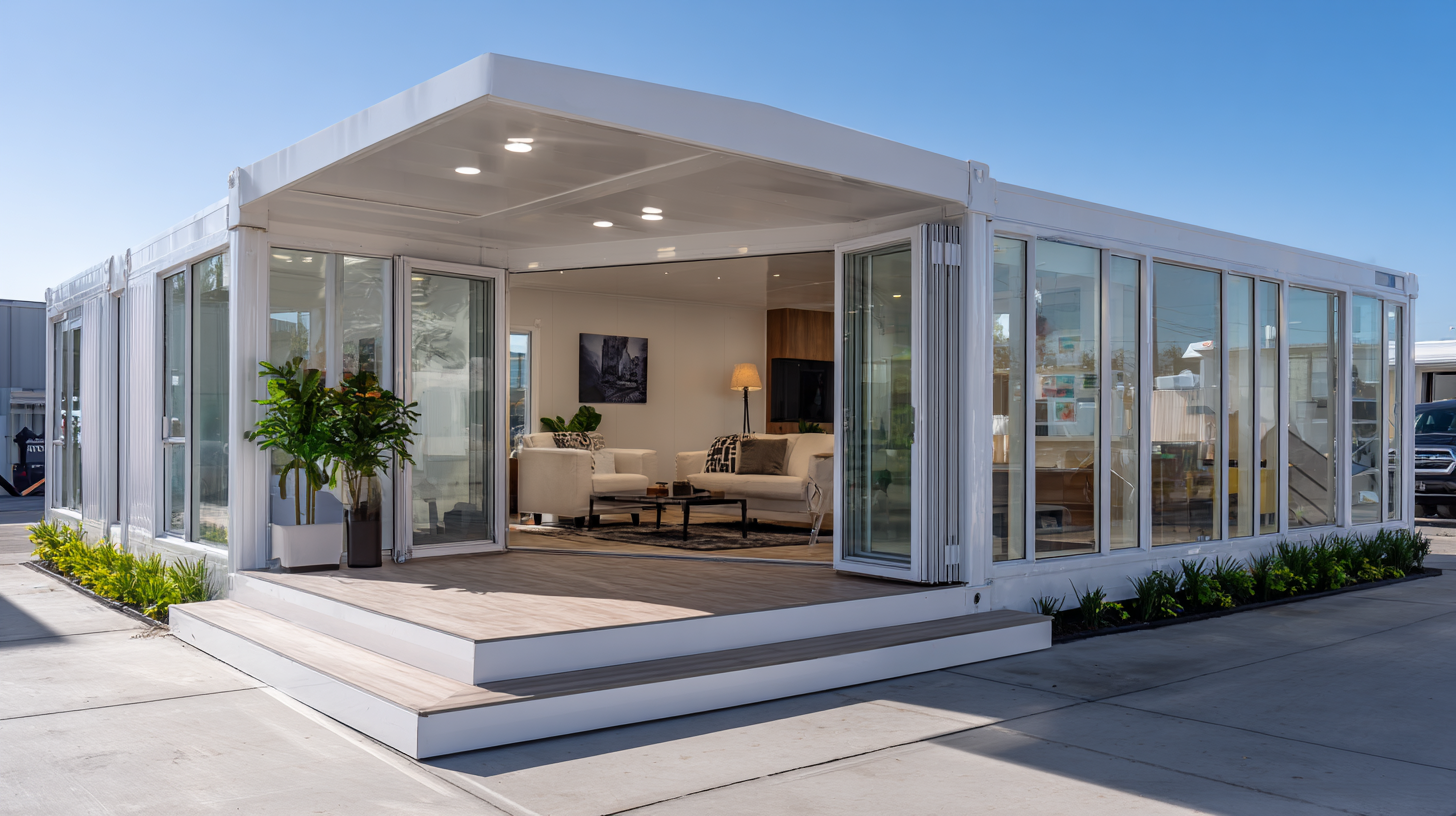
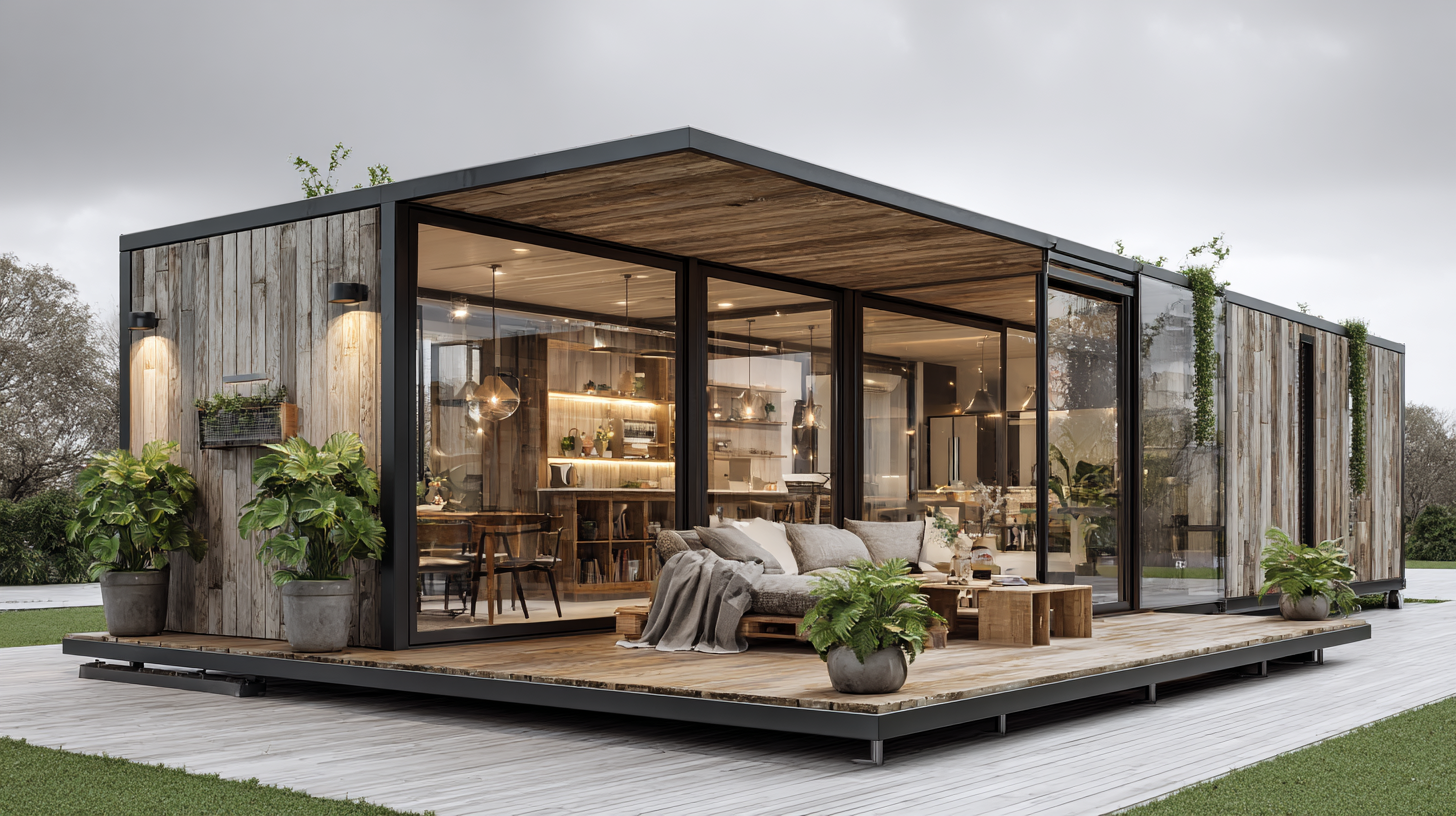
In recent years, you’ve probably noticed that the idea of “Collapsible Container Houses” has really been gaining traction as a sustainable and practical way to live in today’s world. I was chatting with Robert Martinez, the CEO of EcoHome Innovations, and he told me, “The future of housing is all about our ability to get creative with how we reuse and adapt materials,” and honestly, he's onto something. These collapsible container homes are a pretty neat example of how innovation can be environmentally friendly at the same time. They’re not just affordable—they also give us a new way to think about building that’s better for the planet.
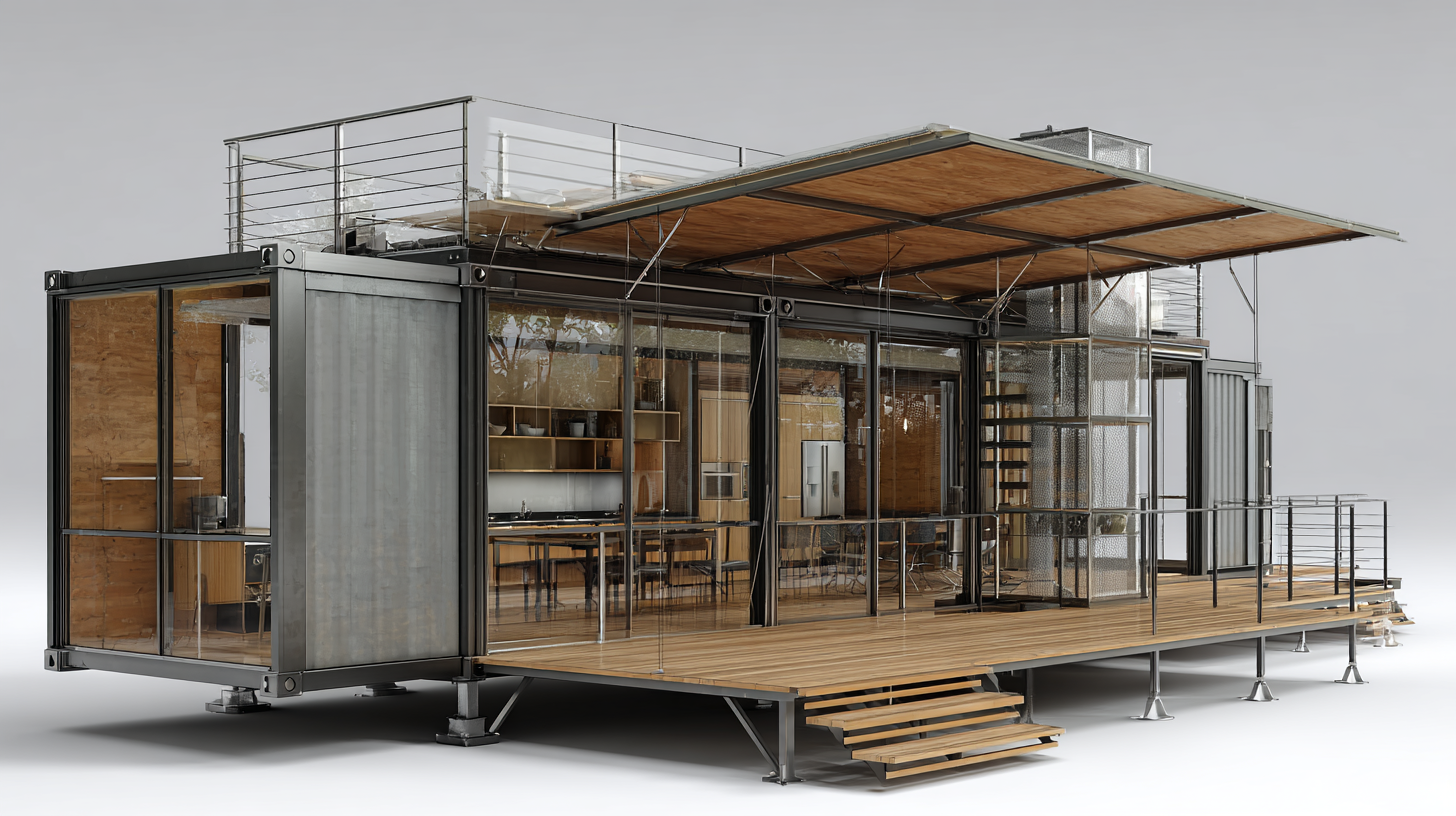
As cities keep growing and climate concerns become more urgent, the demand for flexible, adaptable living spaces is only going to grow. These containers—think big industrial shipping crates—are transformed into cozy, functional homes that can be moved around and put together way more easily than traditional houses. And the coolest part? They can be customized to fit different lifestyles, all while keeping that little extra green footprint in check compared to regular construction.
In this article, we’re going to take a look at the “Top 10 Best Collapsible Container Houses for Modern Living and Sustainability,” with a special spotlight on the “2025 Top 5” that really stand out for being innovative, efficient, and eco-friendly. Come along as we explore how these amazing structures are not just changing the way we think about housing—they’re also helping us live more sustainably and making a real difference for our future.
The rise of collapsible container houses marks a significant shift in modern architecture, offering innovative designs that prioritize sustainability and efficiency. According to a report by the United Nations, more than 1.6 billion people will be living in inadequate housing conditions by 2025, highlighting an urgent need for affordable and flexible housing solutions. Collapsible container homes address this issue by providing a modular approach that can adapt to various environments and demands.
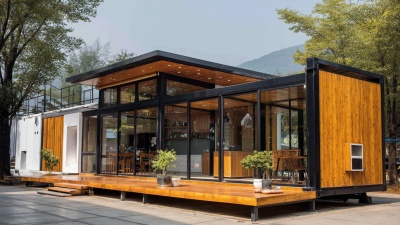
Recent advancements have led to designs that efficiently utilize space and resources, with options like solar panels and rainwater collection systems integrated into their structure. A 2021 research study by the World Green Building Council indicated that modular constructions, including container homes, can reduce construction waste by up to 90%. This not only minimizes the ecological footprint but also shortens the construction timeline, making sustainable living more accessible. The innovative designs of collapsible container houses not only contribute to environmental sustainability but also cater to the aesthetic preferences of modern homeowners, showcasing a blend of functionality and style.
| Model | Size (sq. ft) | Number of Rooms | Energy Efficiency | Sustainability Features |
|---|---|---|---|---|
| Eco-Luxury Home | 400 | 2 | A+ | Rainwater Harvesting, Solar Panels |
| Compact Living Suite | 320 | 1 | B | Insulated Walls, Recycled Materials |
| Nomadic Pods | 290 | 1 | A++ | Biodegradable Materials, Solar Roof |
| Urban Nest | 600 | 3 | A | Eco-Friendly Insulation, Green Roof |
| Nature Cabin | 500 | 2 | A+ | Harvesting Systems, Natural Ventilation |
| Minimalist Retreat | 350 | 1 | A | Sustainable Wood, Eco Paints |
| Modern Shelter | 500 | 2 | A++ | Energy Recovery System, Smart Glass |
| Mobile Living | 450 | 2 | B+ | Waste Reduction, Local Sourcing |
| Eco-Friendly Oasis | 700 | 3 | A++ | Permaculture Design, Reclaimed Wood |
Light steel quick assembly container houses are revolutionizing modern living solutions, effectively addressing various housing needs with remarkable efficiency. As detailed in recent industry reports, this innovative approach to construction significantly reduces assembly time, with delivery often completed within 20-25 days. The quick-assembly box model offered by VlCDOWEX exemplifies these advancements, providing a versatile option suitable for diverse applications, including temporary housing, disaster relief, and commercial use.
One of the standout advantages of light steel container houses is their cost-effectiveness. Depending on the pricing terms selected—FOB, EXW, CIF, or CFR—clients can tailor their purchasing approach to best fit their budget and logistics needs. With a minimum order quantity (MOQ) of just 100 square meters, these units present an attractive option for both large-scale projects and smaller initiatives. Industry analysis indicates that the market for modular and container homes is expected to grow, driven by increasing demand for sustainable and affordable living spaces.
Moreover, the flexibility of placement near major shipping ports like Nansha, Huangpu, and Shekou further enhances their appeal. Partnering with established manufacturers such as VlCDOWEX ensures quality and reliability, backed by various payment terms like TT and LC that provide financial security for all transactions. As urbanization continues to soar, the adoption of light steel quick assembly container houses is positioned to meet the evolving demands of modern infrastructure while promoting innovative, eco-friendly solutions.
: Collapsible container houses are flexible living structures that incorporate eco-friendly materials and innovative designs, aimed at providing sustainable living solutions.
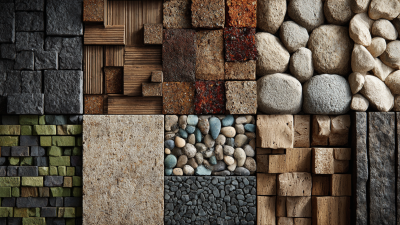
They utilize eco-friendly materials, such as invasive grass for insulation, and promote practices that minimize ecological footprints, thereby reducing waste and enhancing thermal performance.
The global smart space market is projected to reach approximately $15.1 billion by 2024, $17.07 billion in 2025, and is expected to increase to $372.3 billion by 2032.
As urban areas become denser, maximizing limited space becomes essential, making collapsible container houses a sustainable alternative that addresses this challenge.
Businesses are adopting eco-friendly packaging options and smart production practices, reducing their environmental impact while responding to the demand for sustainable products.
Smart technology enhances the functionality of living solutions, enabling the integration of lifestyle and sustainability within urban environments.
Utilizing local materials, like invasive grass, helps reduce waste and supports local ecosystems, aligning with eco-friendly architectural practices.
Multifunctional environments cater to the evolving needs of urban dwellers, providing efficient use of space and supporting sustainable lifestyles.
The trends include a focus on sustainability, functionality, and the incorporation of smart technologies to create efficient living solutions in urban areas.
They provide adaptable and sustainable housing options that meet the demands of growing populations in densely populated cities.
The article "Top 10 Best Collapsible Container Houses for Modern Living and Sustainability" explores the innovative designs and eco-friendly materials that characterize collapsible container houses. These structures not only promote sustainability through their use of environmentally conscious practices, but they also offer space efficiency and modern living solutions that appeal to homeowners and urban dwellers alike. By highlighting cost-effective alternatives to traditional homes, the piece underscores the practicality of collapsible container houses in today’s housing market.
Additionally, the article discusses emerging trends and technologies in mobile living, showcasing real-life examples of successful container house projects. As companies like Guangdong Vicdowex Modular Housing Technology Co., Ltd. lead the way in modular construction, the future looks promising for collapsible container houses, combining convenience, affordability, and a commitment to sustainability for modern lifestyles.