As cleanroom manufacturing continues to evolve, finding the right Cleanroom Panels is pretty crucial for industries around the world, especially as we move into 2026. I recently came across insights from Dr. Emily Carter, who's basically a superstar in cleanroom tech and the Chief Engineer over at CleanTech Solutions. She mentioned, 'The right Cleanroom Panels can really boost operational efficiency and make products safer.' That really hits home, especially since companies are always on the lookout for reliability and trying to stay in line with tightening regulations.
Picking the right materials for cleanrooms isn't a simple task either. Manufacturers need to weigh factors like how durable the panels are, how well they insulate thermally, and how effectively they control contamination. Sure, there are tons of options out there, but not all Cleanroom Panels actually meet the tough standards that the pharmaceutical industry demands. Because of that, many companies might need to rethink their sourcing strategies and maybe shift their priorities when it comes to investing in Pharmaceutical Cleanroom Panels.
Of course, innovation is promising new solutions, but it’s not all smooth sailing. Companies still have to figure out how to strike a good balance between cost and quality. And then there's the whole debate about sourcing locally versus going global—this adds even more complexity. It also makes you wonder about supply chain resilience and building long-term partnerships. As this industry keeps moving forward, thinking carefully about these choices will really determine how successful cleanroom operations turn out to be.

Overview of Cleanroom Panels: Types and Applications
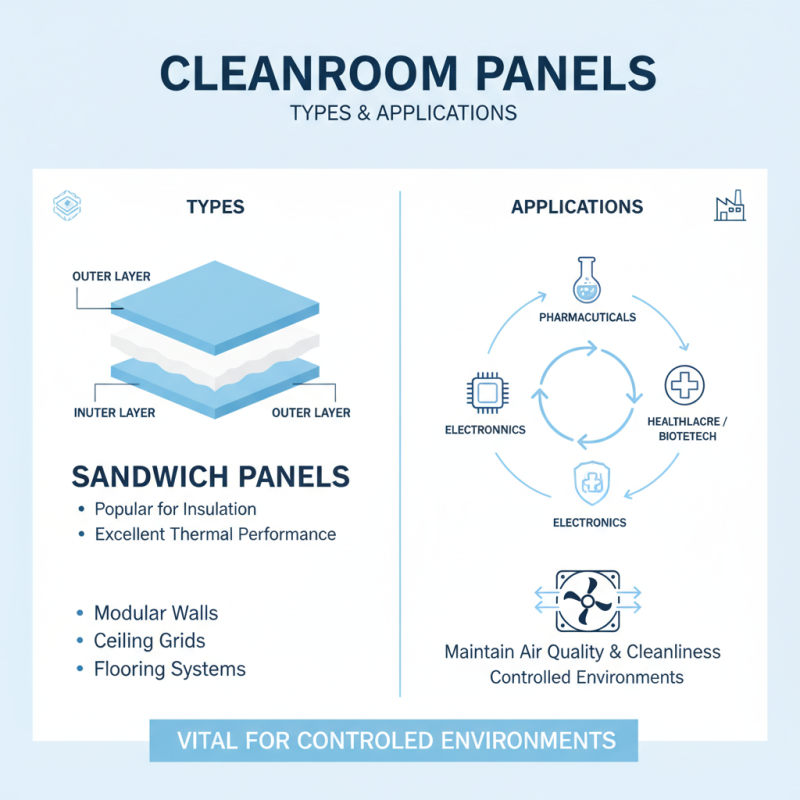
Cleanroom panels play a vital role in controlled environments. They help maintain air quality and cleanliness. Various types of cleanroom panels are available, each suited for specific applications. Among these, sandwich panels are popular for their insulation properties. These panels consist of an inner core sandwiched between two outer layers. They provide excellent thermal performance.
Another type is the modular panel. These can be easily assembled and disassembled. This feature makes them ideal for temporary cleanroom setups. They are often used in research facilities and pharmaceutical manufacturing. Their flexibility allows for quick changes in layout as needed.
Despite their advantages, not all panels are created equal. Some may not meet stringent industry standards. Choosing the right panel requires careful consideration of the cleanroom's classification. Factors like air leakage and particle generation must be assessed. It’s essential to reflect on the long-term implications of panel selection, especially in evolving industries.
Key Factors in Selecting Cleanroom Panels for Global Sourcing
Selecting cleanroom panels for global sourcing in 2026 requires careful consideration. There are several key factors to keep in mind. The panel's material should ensure contamination control and meet stringent cleanliness standards. Look for options that offer durability while also being lightweight. A smooth surface cleanroom panel is essential for maintaining an aseptic environment.
Tips: Always assess the specifications of the panels. Consider the thickness and the type of insulation used. This can significantly impact your cleanroom's performance. Additionally, check the ease of installation and maintenance. Improper handling during installation can lead to long-term issues.
Environmental conditions play a vital role as well. Your cleanroom's location might affect humidity and temperature control. Choose panels designed to withstand local conditions. They should provide optimal performance in demanding environments. Moreover, look for certifications that verify compliance with industry standards. Building a reliable cleanroom environment is complex and may need reevaluation over time. Balancing cost with quality requires ongoing reflection.
Top Cleanroom Panel Manufacturers and Their Offerings in 2026
The cleanroom industry is evolving rapidly as we head toward 2026. Manufacturers are investing in innovative materials and technologies. This shift aims to enhance efficiency and contamination control. Various manufacturers offer different panel types, including metal and polymer-based solutions. Each type has its pros and cons, influencing the decision-making process for buyers.
One notable feature is the thermal performance of panels. Some offer superior insulation, while others are lighter but may compromise durability. Buyers often face the challenge of balancing cost and quality. Additionally, customizable options are becoming increasingly popular. Manufacturers understand the need for tailored solutions to meet specific requirements. However, the availability of such options can be limited based on market demand.
Sustainability is another significant factor. Some manufacturers focus on eco-friendly materials, but sourcing these can be inconsistent. This gap leads to concerns about reliability and long-term availability. Moreover, the complexity of global supply chains adds a layer of difficulty. Companies must remain vigilant when navigating these challenges. Adapting to rapid changes might prove essential for success in the future.
Technological Advancements in Cleanroom Panel Materials
Technological advancements in cleanroom panel materials are reshaping the industry. In 2026, businesses will likely prioritize energy efficiency and sustainability. Recent reports indicate that
Heat-Insulated Cleanroom Panels
will offer improved thermal performance. This is crucial for operations requiring strict temperature control.
These panels now integrate high-performance materials that resist contamination and maintain cleanliness. They are lightweight yet durable, making installation easier. The growth of smart cleanroom solutions shows a shift toward automation. Sensors embedded in cleanroom panels will monitor airflow and humidity in real-time, enhancing operational efficiency and compliance.
Tip: When sourcing cleanroom panels, consider those made with recycled materials. This reduces environmental impact and aligns with global sustainability goals. Also, evaluate the insulation properties to lower energy costs over time. Advanced panels may come with higher upfront costs, but the long-term savings can be substantial. Regularly reviewing product performance and emerging technologies will be essential in making informed decisions.
Cost Analysis of Cleanroom Panels: Budgeting for Global Sourcing
When considering cleanroom panels for global sourcing in 2026, cost analysis is crucial. Pricing can vary significantly based on materials and construction methods. Polyurethane and polystyrene panels often dominate the market due to their balance of cost and performance. However, opting for high-quality materials can lead to increased upfront costs. This decision can impact long-term operational efficiency.
Transportation expenses are another vital factor. Sourcing panels from distant locations can inflate costs. It can be beneficial to analyze local suppliers. Sometimes, their prices may be more competitive when factoring in shipping. Additionally, bulk purchasing can lead to discounts. But beware of overcommitting if demand fluctuates.
Understanding the total cost of ownership is essential. Installation and maintenance costs can add to the initial price. Investing in durable panels may pay off by reducing future expenses. It’s important to evaluate potential risks. Will cheaper options affect cleanroom standards? Balancing initial costs and long-term reliability is challenging but necessary for sustainable operations.
Sustainability Trends in Cleanroom Panel Production
Sustainability in cleanroom panel production is gaining momentum. With increasing awareness around environmental impact, many manufacturers now focus on eco-friendly materials. The trend of using recycled materials is on the rise. Innovative recycling methods help reduce waste.
Stainless Steel Cleanroom Panels are becoming a popular option for sustainable cleanrooms. They offer durability and longevity, which contribute to lower resource consumption over time. However, some manufacturers still struggle with optimizing their production processes for sustainability. Many facilities have not fully integrated eco-friendly practices. This gap indicates room for improvement in the industry.
Additionally, energy-efficient production methods are essential to reduce the carbon footprint. Some companies are adopting renewable energy sources, yet challenges remain. Not every manufacturer prioritizes these strategies. The industry must work towards better standards for sustainability. As global sourcing becomes prominent, the choices made today will significantly shape the future of cleanroom panel production.
Cleanroom Panel Sustainability Trends in 2026
Market Forecast: Cleanroom Panel Demand in 2026 and Beyond
Cleanroom panel demand is on the rise as industries increasingly prioritize contamination control. In 2026, we expect significant growth as more companies recognize the importance of High-Efficiency Cleanroom Panels. These panels are crucial for maintaining strict hygiene standards in various sectors, from pharmaceuticals to electronics.
Market trends indicate a shift towards sustainable materials. Manufacturers are exploring eco-friendly options without compromising performance. The challenge lies in balancing cost-effectiveness with quality. While some panels offer good insulation, they may not meet stringent cleanliness requirements. This creates a gap that requires attention.
As businesses expand their operations globally, sourcing cleanroom panels efficiently becomes essential. Companies must evaluate suppliers based on reliability and expertise. Those who focus on innovation will likely lead the market. Referencing past failures can guide this search. It’s clear that choosing the right cleanroom panels is not just about meeting current demands but also preparing for future challenges.
What are the Best Cleanroom Panels for Global Sourcing in 2026? - Market Forecast
| Panel Type |
Material |
Thickness (mm) |
Market Demand (Units) |
Projected Growth (%) |
| Wall Panels |
Polypropylene |
50 |
150,000 |
8% |
| Ceiling Panels |
Aluminum |
25 |
120,000 |
7% |
| Floor Panels |
PVC |
40 |
100,000 |
6% |
| Insulated Panels |
Polystyrene |
50 |
90,000 |
5% |
| Modular Panels |
Steel |
60 |
80,000 |
4% |
Seamless Elegance: How Corner Panels Enhance Your Room Design Experience
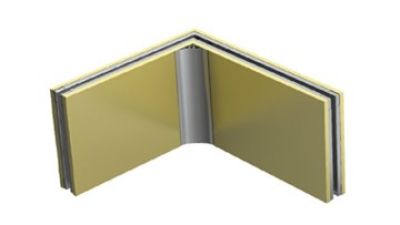
In the pursuit of seamless elegance in interior design, corner panels play a pivotal role in elevating the aesthetic and structural integrity of your spaces. Designed to integrate flawlessly without the need for cutting or aluminum, these innovative solutions transform ordinary corners and challenging areas like window sills wrapped around columns into visual focal points. With the latest engineered designs, achieving a perfect fit becomes effortless, ensuring a streamlined look that enhances the overall cohesion of your room.
The most significant advantage of using corner panels lies in their ability to reduce seams, which enhances not only the visual appeal but also the structural reliability at critical stress points. This reduction of seams contributes to a smoother finish, allowing walls and corners to blend naturally and beautifully, creating a serene ambiance. Furthermore, these corner solutions are engineered for versatility, easily accommodating standard wall corners while also handling more complex architectural features, streamlining your construction process. Quick to install, they enable you to transform your space with minimal disruption, ensuring that your design vision comes to life effortlessly.
FAQS
: Cleanroom panels include metal and polymer-based solutions. Each type has unique advantages and drawbacks.
Thermal performance is crucial. Some panels provide great insulation while others are lighter but less durable.
Yes, customizable options exist. However, availability can be limited depending on market demand.
Some manufacturers focus on eco-friendly materials, but sourcing these can be inconsistent. Reliability may suffer.
Technological advancements enhance energy efficiency and cleanliness. Smart features can improve operational efficiency significantly.
Using recycled materials reduces environmental impact. It aligns with sustainability objectives in the cleanroom industry.
Buyers often struggle to balance cost against quality. This can complicate their decision-making process.
Product performance and emerging technologies should be regularly assessed. Staying informed will influence better decisions.
Advanced panels may cost more initially, but the long-term savings in energy can be significant.
Smart solutions with embedded sensors help monitor conditions like airflow, enhancing efficiency and compliance.
Conclusion
The article titled "What are the Best Cleanroom Panels for Global Sourcing in 2026?" offers a comprehensive overview of cleanroom panels, highlighting their various types and applications across different industries. It discusses the key factors to consider when selecting cleanroom panels for global sourcing, ensuring that businesses make informed choices based on specific operational needs.
The analysis outlines the top manufacturers and their offerings while shedding light on technological advancements in cleanroom panel materials that enhance performance and compliance. Additionally, the article addresses cost considerations for budgeting, sustainability trends in production, and provides a market forecast indicating the expected demand for cleanroom panels in 2026 and beyond. As industries evolve and focus on stringent cleanliness, understanding these dynamics will be crucial for effective sourcing and implementation of cleanroom solutions.