When it comes to cleanroom environments, choosing the right materials is a pretty big deal. You know, those 'Cleanroom Panels' really play a crucial role in keeping everything up to standard. Dr. John Smith, a well-known expert from Cleanroom Innovations, puts it nicely: "Picking the right cleanroom panels isn’t just about making a choice—it’s a real commitment to quality and making sure you stay compliant."
Of course, if you're working in highly regulated industries like pharma, those Pharmaceutical Cleanroom Panels are key for ensuring sterility and safety. But honestly, choosing the right panels can feel pretty overwhelming. There are so many factors—surface materials, insulation, fire ratings—and sometimes it gets confusing. Plus, people often forget to consider things like how resistant the panels are to chemicals or how easy they are to clean.
Every project is different, right? So what works for one might not work for another. And missing just one detail can lead to costly downtime, which nobody wants. That’s why it’s so important to focus on efficiency and reliability when making your choices. Getting familiar with industry standards really makes a difference. In the end, picking the right cleanroom panels can be the difference between staying compliant and facing big trouble. Having good guidance along the way can make these tricky decisions way easier.
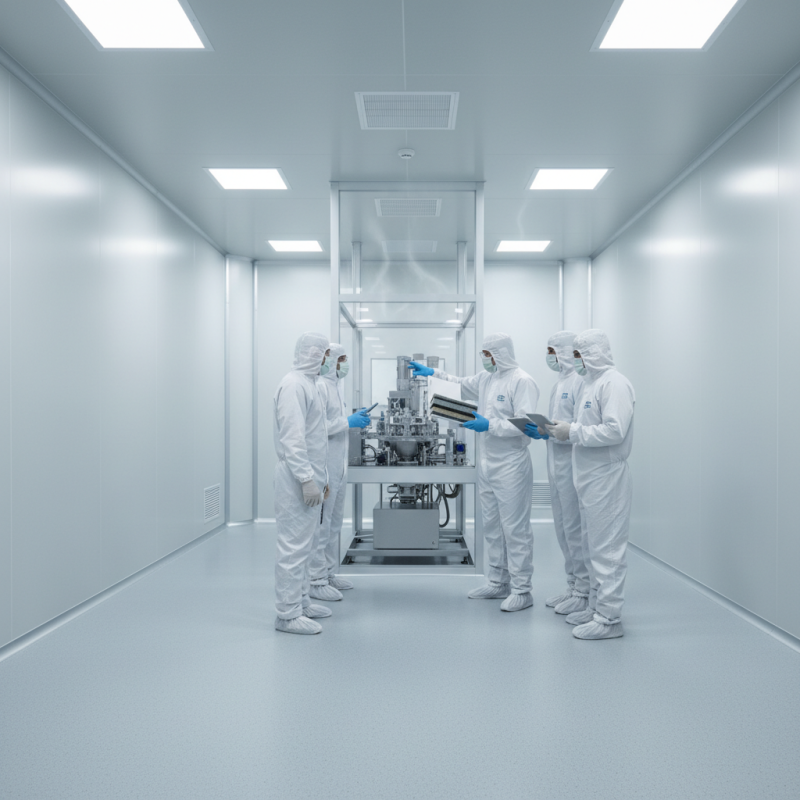
Understanding Cleanroom Panel Types for Different Needs
When selecting cleanroom panels, it's essential to understand the various types available. Cleanroom panels typically fall into three categories: metal, gypsum, and plastic. Each material has unique properties that make it suitable for specific environments. Metal panels often provide durability and resistance to contamination. Gypsum panels, on the other hand, are excellent for thermal and acoustic insulation. Plastic panels are lightweight and easy to install, making them a popular choice in many settings.
Tips for selecting the right cleanroom panels:
- Consider your cleanroom’s purpose. Pharmaceutical manufacturing may need different panels compared to electronics assembly.
- Evaluate the ease of maintenance. Some materials require more upkeep than others, impacting long-term costs.
- Think about the panel joints. Proper sealing is crucial to minimize contamination risks.
When choosing panels, reflect on the facility's overall design. The layout may dictate certain specifications. Some buyers overlook how color or finish affects cleanliness. A dark finish might not show dirt, while a light one may need frequent cleaning. Balancing aesthetics with functionality is crucial in cleanroom design. Always prioritize quality over price to ensure long-term reliability.
Key Factors When Selecting Cleanroom Panels for Buyers
When selecting cleanroom panels, buyers must consider several key factors. The material of the panels plays a crucial role in performance. Common options include metal, plastic, and composite materials. Each type offers different benefits regarding durability and contamination control. Buyers often overlook the importance of finish and texture. A smooth surface is easier to clean and maintain.
Another important factor is the panel's insulation properties. Effective insulation helps regulate temperature and humidity. This is vital in environments requiring strict control like pharmaceutical or semiconductor manufacturing. Buyers should assess the thermal performance of the panels. If panels aren’t effective in insulation, it could lead to higher operational costs.
Environmental impact also merits consideration. Sustainable materials are becoming increasingly important. However, not all buyers prioritize this factor. Some focus strictly on cost. While affordability is vital, the long-term benefits of choosing eco-friendly options can outweigh initial costs. Reflecting on these aspects can aid buyers in making informed decisions. It’s a delicate balance between functionality and sustainability.
Best Cleanroom Panels for Global Buyers Need Guidance? - Key Factors When Selecting Cleanroom Panels for Buyers
| Panel Material |
Insulation Value (R-Value) |
Fire Rating |
Cleanroom Class |
Thickness (inches) |
Weight (lbs/sq ft) |
| Metal Composite |
6.5 |
Class A |
ISO 5 |
2 |
1.5 |
| Polyurethane |
7.0 |
Class B |
ISO 6 |
3 |
1.2 |
| Gypsum Board |
5.0 |
Class C |
ISO 7 |
1.5 |
2.0 |
| Fiberglass Reinforced |
8.0 |
Class A |
ISO 5 |
2.5 |
1.8 |
| HPL (High Pressure Laminate) |
6.0 |
Class B |
ISO 6 |
1.75 |
1.4 |
Comparative Analysis of Cleanroom Panel Materials
When evaluating cleanroom panel materials, it's essential to understand their distinct features.
Smooth Surface Cleanroom Panels
are popular for their ease of cleaning and maintenance. Their non-porous surfaces prevent contamination from settling.
These panels are often preferred in sterile environments, such as pharmaceuticals and biotechnology.
Foam-core panels also offer excellent insulation and soundproofing. They can be cost-effective, but
their surface may not be as smooth as needed for high-level sterile environments.
Choosing the right panel material is not just about cost; it involves considering the specific requirements of the cleanroom.
Another option is vinyl-faced panels, which provide a durable surface. However, they can wear down
over time and may not meet the highest cleanliness standards. Buyers should carefully assess the long-term implications of
these choices. Balancing cost, performance, and compliance is crucial to making an informed decision.
Understanding these nuances helps in selecting the best cleanroom panel for specific uses.
Global Trends in Cleanroom Panel Manufacturing and Design
Cleanroom panel manufacturing is evolving rapidly. Increased demand for
high-quality environments drives global trends. Buyers look for
innovation and reliability.
Heat-Insulated Cleanroom Panels are becoming popular for energy efficiency and temperature control.
These panels meet stringent regulations while providing
Manufacturers are focusing on
sustainable materials and smart designs. Designers need to consider user experience and flexibility.
As technology advances, real-time monitoring and automation are key trends.
However, challenges remain in balancing cost and quality.
Buyers may find it difficult to navigate these options, as not all products are created equal.
Collaboration between manufacturers and users is essential.
Clear communication ensures that specific needs are met. While some companies lead in technology, others struggle with outdated methods.
Buyers must be cautious and seek out expertise.
The landscape is complex, but informed decisions will lead to success in cleanroom environments.
Cost Considerations for Cleanroom Panels: A Buyer’s Guide
When considering cleanroom panels, cost plays a crucial role. An initial investment may seem high, but it pays off in the long run. Buyers need to evaluate the total cost of ownership. This includes installation, maintenance, and potential long-term savings from energy-efficient options. Clear pricing models and transparent quotes help in making informed decisions.
Tips: Think about durability. Panels should withstand cleaning agents. Also, check energy efficiency ratings. This can lead to significant reductions in utility bills.
Not all panels are created equal. Some may look appealing, but lack essential features. For example, check for compliance with industry standards. Gaps in quality can lead to contamination risks. Always assess the risks versus the costs involved.
Tips: Ask suppliers about warranties. A good warranty indicates confidence in the product. Additionally, explore customer reviews for insights into performance and reliability.
Regulatory Compliance Standards for Cleanroom Panels Worldwide
When selecting cleanroom panels, global buyers must consider regulatory compliance standards that vary significantly by region. In the United States, the FDA and ISO 14644 enforce strict guidelines. This ensures that controlled environments maintain desired cleanliness levels. For instance, ISO Class 5 environments, ideal for sterile manufacturing, require a maximum particle count of 3,520 particles per cubic meter. These rigorous standards guide industries like pharmaceuticals and electronics.
Designing cleanroom environments involves balancing functionality and compliance. For instance,
Stainless Steel Cleanroom Panels
are often favored for their ease of cleaning and durability. Reports indicate that adherence to guidelines can lead to a
25% reduction in contamination risks. However, many facilities struggle with interpreting complex regulations, leading to compliance oversights. It's crucial for buyers to engage with experts in cleanroom design to navigate these challenges effectively.
Moreover, environmental sustainability is becoming a pressing issue. Regulatory bodies globally are pushing for cleaner manufacturing processes. This shift demands materials that not only meet compliance standards but also reduce environmental impact. Buyers should therefore evaluate the lifecycle analysis of materials, including those used in cleanroom panels. This attention to detail can prevent costly revisions later in the process.
Best Practices for Installing and Maintaining Cleanroom Panels
Installing and maintaining cleanroom panels is crucial in ensuring a controlled environment. Many facilities opt for High-Efficiency Cleanroom Panels due to their superior insulation and ease of installation. However, poor installation can lead to air leaks, which compromise cleanroom integrity. It's vital to follow guidelines closely during installation. Aligning panels correctly minimizes gaps and optimizes performance.
Regular checks are essential for maintenance. Dust accumulation can occur, affecting air quality and the overall functionality of the panels. Routine cleaning protocols must be established to prevent this. Using appropriate cleaning agents prevents damage to the panels. In some cases, users discover signs of wear or damage over time. Ensuring timely repairs can prevent larger issues later.
The choice of materials greatly impacts the longevity of cleanroom panels. While some materials are more durable, they may not be cost-effective. Evaluating the balance between cost and performance is key. Owners often face challenges in selecting panels that cater to specific industry requirements. It's important to consider both initial costs and long-term benefits.
FAQS
: These panels have non-porous surfaces. They are easy to clean and maintain. They prevent contamination effectively.
Foam-core panels offer good insulation and soundproofing. They may be cost-effective, but they have surface limitations.
They provide durability but can wear down. Over time, they may not meet high cleanliness standards.
Manufacturers are focusing on using sustainable materials. This trend aligns with growing demand for eco-friendly solutions.
It enhances efficiency and control in cleanroom environments. As technology advances, automation plays a bigger role.
Balancing cost and quality can be difficult. Not all products meet the same standards, adding complexity.
Clear communication between manufacturers and users is essential. It ensures that specific cleanroom needs are addressed.
Innovations are driven by the demand for high-quality environments. They lead to better performance and compliance.
No, different panels suit different environments. Specific requirements must be considered before making a choice.
Seek out knowledgeable sources. This can help navigate the complex landscape of cleanroom solutions effectively.
Conclusion
The article titled "Best Cleanroom Panels for Global Buyers Need Guidance?" explores the essential considerations for selecting cleanroom panels tailored to various industry needs. It begins by categorizing cleanroom panel types, highlighting the importance of understanding specific requirements based on the environment and application. Key factors such as material properties, ease of installation, and maintenance practices are discussed, alongside a comparative analysis of different materials used in cleanroom panels.
Furthermore, the article addresses global trends in cleanroom panel manufacturing, emphasizing advancements in design and sustainability. Cost considerations are outlined in a buyer’s guide, helping purchasers navigate budget constraints while ensuring quality. The importance of regulatory compliance standards is also emphasized, as adhering to these guidelines is crucial for global operations. Ultimately, the article serves as a comprehensive resource for buyers looking to make informed decisions regarding cleanroom panels to meet their specific needs.