When it comes to insulated wall solutions in today’s pretty competitive market, choosing the right company is more important than ever. Looking ahead to 2026, highlighting the top players in this space is definitely a smart move. You know, Dr. Emily Chen, a well-known expert in construction materials, once said, “Quality insulated wall solutions really shape the energy efficiency of modern buildings.” That little quote reminds us just how crucial products like Thermal Insulated Wall Panels are in today’s architecture game.
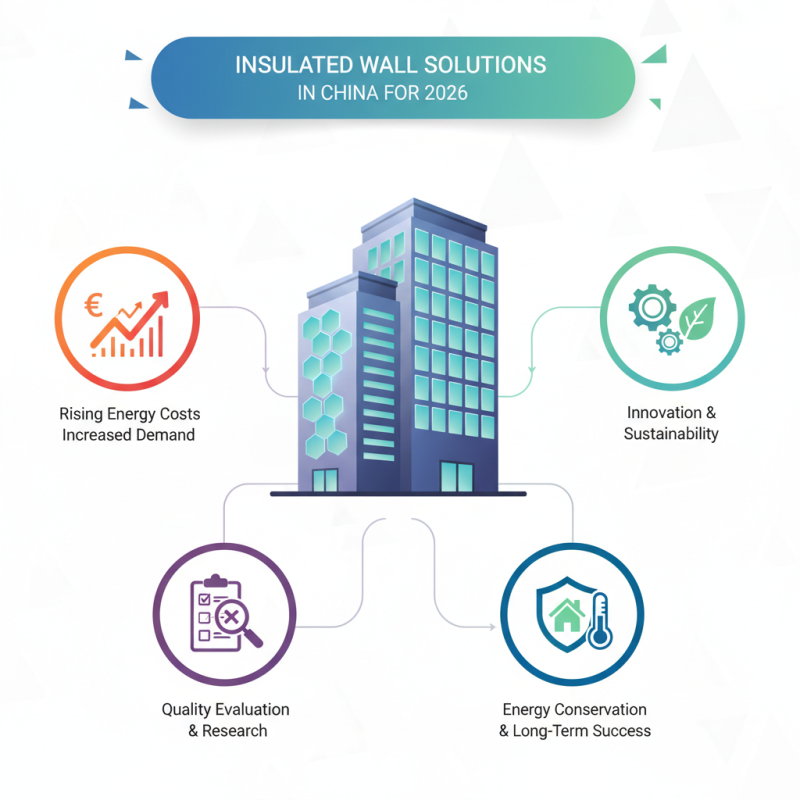
China, in particular, has a bunch of companies doing some pretty impressive stuff—pushing for innovation and sustainability all the way. With energy prices climbing, the need for good, reliable insulated wall systems is only going up. Lots of businesses are trying to strike a balance between solid performance and not breaking the bank. But let’s be real— not every company hits the mark. It’s really important for anyone looking to invest in these solutions to do their homework and pick carefully.
Of course, there are some hurdles. Some firms might stretch the truth about what they can do, or they might not have the right tech to back up their claims. That’s why digging into research and reviews is absolutely essential. In this ever-changing scene, finding trustworthy manufacturers isn’t just a good idea — it’s actually vital for meeting energy-saving and sustainability targets.
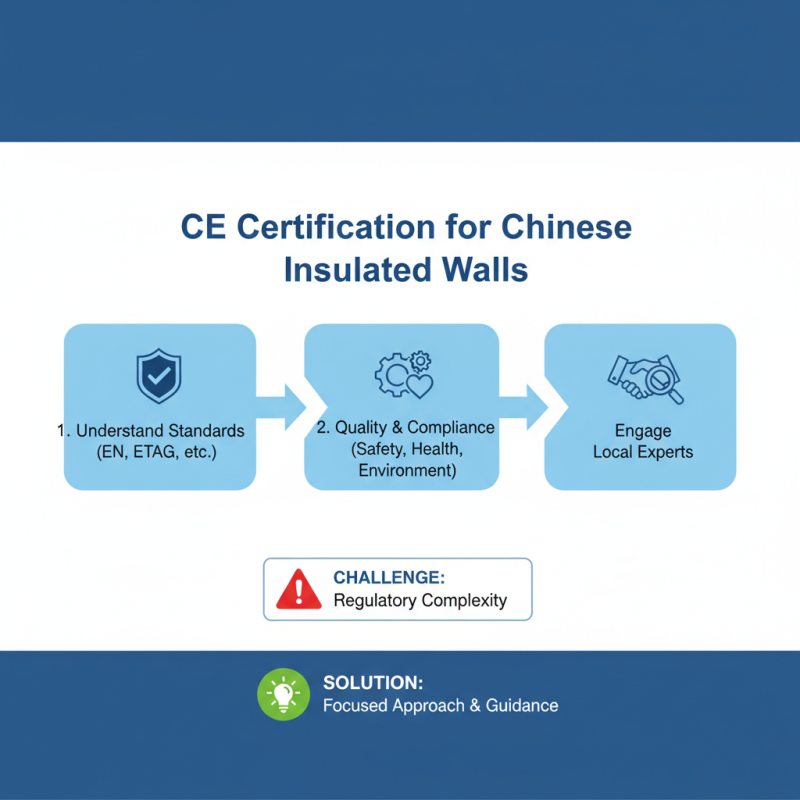
Achieving CE certification in insulated wall manufacturing in China requires a focus on quality and compliance. Companies should prioritize understanding the CE marking standards relevant to their products. These standards ensure that insulated walls meet safety, health, and environmental protection requirements. Engaging with local experts can provide valuable insights. However, many manufacturers struggle with the complexity of these regulations.
Production processes must be meticulously documented. Regular audits help identify areas for improvement. Testing materials for thermal performance, fire safety, and durability is crucial. Surprisingly, some companies overlook the importance of proper training for staff. This lack can lead to compliance failures and costly repercussions. Investing in employee education can dramatically enhance product quality.
Sustainability should not be ignored. Many consumers now seek eco-friendly options. Companies that incorporate sustainable practices might face challenges in certification. However, these efforts promote long-term benefits. Regularly reviewing and updating production methods ensures ongoing compliance. The journey toward CE certification is ongoing and requires dedication. Some businesses may find this challenging, but success is attainable with the right approach.
When it comes to CE certification in China, understanding the key regulations is essential. CE marking indicates compliance with European health, safety, and environmental standards. Manufacturers need to ensure their insulated walls meet these requirements before entering the market.
The certification process involves several steps. Testing is crucial to verify the insulation's performance. Documentation must be thorough, detailing materials and design features. Inadequate information can lead to delays. Importantly, companies must stay updated on changing regulations. Compliance is not a one-time effort; it's an ongoing obligation.
Many firms may find the CE certification process challenging. Misunderstanding the requirements can result in costly mistakes. Regular training and communication within teams are vital. Companies should invest time in understanding both local and international standards. This approach mitigates risks and enhances product reliability in the global market.
The market for Insulated Wall systems is evolving rapidly. Demand for
energy-efficient buildings is increasing globally. Many companies are adapting to these trends. They focus on innovative materials that enhance thermal performance.
This shift is significant for both residential and commercial sectors.
Experts highlight growing concerns about sustainability. Insulated wall systems can reduce energy consumption effectively. However, some manufacturers struggle to meet high standards consistently.
Quality can vary significantly depending on the technology used. Recognizing this inconsistency is crucial for buyers.
Moreover, regulations are tightening. Compliance with various standards is becoming more challenging. Companies must navigate these new requirements carefully. Understanding market dynamics is essential for success.
The insulated wall market holds great potential, but companies must adapt to maintain competitiveness.
As the demand for insulated wall solutions grows, Chinese companies are stepping up their game. In 2026, it's crucial to evaluate performance metrics thoroughly. Reports indicate that the sector is not only expanding but also improving in energy efficiency. According to recent studies, insulation materials like the Exterior Wall Rockwool Sandwich Panel show remarkable thermal resistance. Companies utilizing advanced manufacturing techniques report up to 30% better energy conservation.
However, while many firms excel, not all meet industry standards. Some lack quality control measures, leading to inconsistent product performance. Inefficiencies in supply chains affect the timely delivery of materials. A significant report from an industry analysis noted that about 15% of companies faced challenges with customer satisfaction due to these issues. This highlights the importance of transparency and reliability in the market.
In terms of innovation, research shows that top performers integrate smart technologies in their products. Companies leveraging IoT technologies report a notable increase in market share. Yet, there remains a gap in the adoption rate among mid-sized firms. They must invest in R&D to keep pace. The evolution of insulated wall solutions will undoubtedly shape the future landscape, but commitment to quality is key.
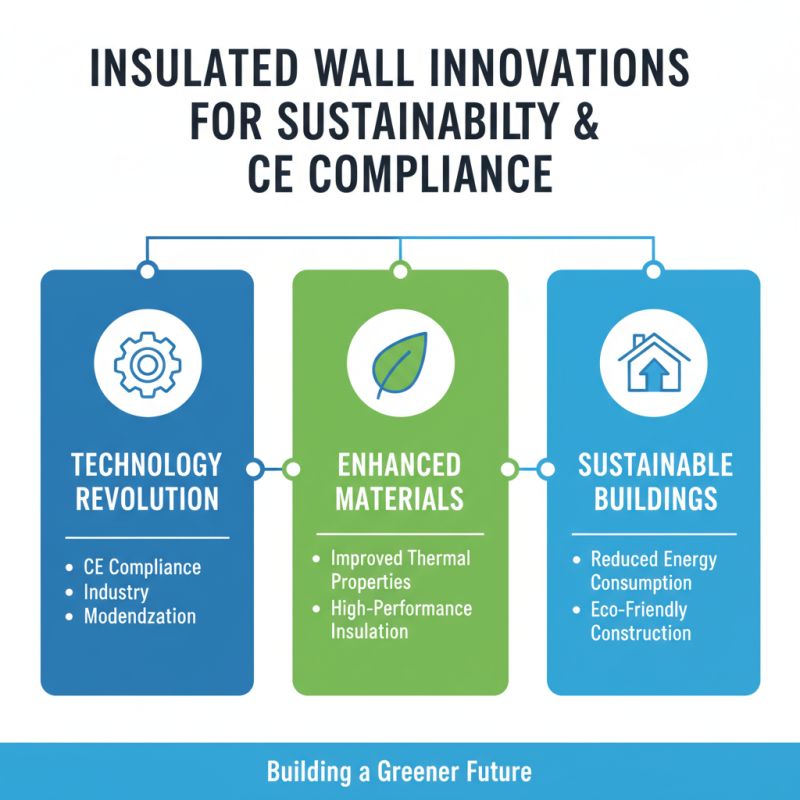
Innovative technologies are revolutionizing the insulated wall industry, especially for CE compliance. Modern materials now offer enhanced thermal properties. For instance, high-performance insulation materials are engineered to reduce energy consumption. This results in more sustainable buildings.
Smart technologies are also emerging. Sensors embedded in insulated walls provide real-time data on energy efficiency. Such advancements help in adjusting temperatures efficiently. These innovations may lead to better comfort levels while lowering costs.
**Tip:** When selecting insulated wall products, ensure they meet CE standards. Verify the materials used for enhanced insulation.
Even with these advancements, challenges remain. Not all companies keep pace with technological changes. This can lead to discrepancies in product quality. It's essential to conduct thorough research before making decisions.
**Tip:** Look for certification documentation to verify compliance. This ensures your investment is secure and reliable.
The economic impact of CE certification on China's insulated wall industry is significant. With increasing demand for energy-efficient structures, the use of innovative materials is essential. CE certification assures quality, safety, and environmental sustainability. This drives growth in companies focusing on insulated wall solutions, like the Wall Fireproof Rockwool Sandwich Panel.
Investors look for certified companies to minimize risks. Consumers prefer products that meet stringent safety standards. CE certification can elevate a company's reputation. It can also improve market access. However, not all companies adapt quickly to these standards. Some struggle with the costs and processes involved. This leads to questions about their long-term viability.
Tips for companies: invest in employee training to navigate certification protocols. Collaborate with experts to streamline compliance. Adopt innovative technologies to reduce production costs while maintaining quality. This can enhance your competitive edge and ensure sustainability in the long run. Balancing quality with efficiency remains a challenge worth tackling.
| Company Type | Projected Revenue (2026) | Market Growth Rate (%) | CE Certification Status | Environmental Impact Score |
|---|---|---|---|---|
| Manufacturer A | $120 million | 15% | Certified | 8.5 |
| Manufacturer B | $150 million | 20% | Certified | 9.0 |
| Manufacturer C | $90 million | 10% | Pending | 7.5 |
| Manufacturer D | $200 million | 25% | Certified | 9.5 |
| Manufacturer E | $60 million | 5% | Certified | 6.5 |
The landscape of CE certification for insulated walls will undergo notable changes by 2026. Currently, companies focus heavily on compliance with standards. This ensures better insulation and energy efficiency. However, the evolving regulations may push manufacturers to innovate even more. For example, integrating sustainable materials will likely become a priority.
Expect to see advancements in materials like Building Exterior Wall Rockwool Sandwich Panel. These panels provide excellent thermal insulation, which is crucial in reducing energy consumption. Consumers will demand transparency regarding materials and production processes. As a result, manufacturers may struggle to adapt while maintaining quality.
The shift toward digital solutions in certification is also probable. Digital tools can enhance tracking and verification processes. Yet, the reliance on technology may present challenges. Smaller companies might find it hard to keep pace. They could face barriers in investing in new technologies. Thus, while progress is essential, it invites reflection on the balance between innovation and accessibility.
The interior design industry is experiencing a significant shift towards the adoption of innovative materials, such as metal corrugated composite panels. These panels, particularly aluminum and steel variants, are revolutionizing the aesthetics and structural efficiency of modern spaces. According to industry reports, the use of such materials can lead to remarkable improvements in design flexibility while maintaining superior strength and durability. The typical specifications feature a corrugated height of 12mm and can be customized to meet specific project requirements, allowing designers to explore various creative applications.
One of the standout attributes of these panels is their fire rating, classified as Class A (GB8624-2012), ensuring safety without compromising design integrity. Additionally, their flatness is noteworthy, as large panels are capable of achieving a smooth and grand design effect, which is crucial in high-end interior spaces. The panels are engineered with an air layer within the aluminum core, divided into sealed chambers, providing high strength and rigidity. This technology enhances resistance to deformation, making them suitable for diverse climates and architectural demands.
The implementation of metal corrugated composite panels not only enhances aesthetic appeal but also contributes to sustainability in construction practices. Reports suggest that the lightweight nature of these materials can reduce overall building weight, leading to decreased structural stress and increased energy efficiency. As interior designers continue to leverage these emerging trends, the integration of such innovative materials is set to redefine the landscape of modern design, blending functionality with striking visual elements.
: Ingredients typically include various plant extracts, essential oils, and natural substances. They aim for purity and effectiveness.
Store in a cool, dry place. Avoid direct sunlight. This can help maintain quality over time.
Usage frequency often depends on individual skin types. Start with once a day, and adjust as needed.
Some users may experience mild irritation or allergic reactions. Always do a patch test first to assess sensitivity.
It targets individuals seeking natural skincare solutions. People with sensitive skin may find it especially appealing.
While many find it suitable, not everyone will benefit. Listen to your skin; it often tells you what works.
Results may vary. Some notice changes within days, while others may take weeks. Patience is key.
Many products focus on sustainability. Check labels for specific policies on sourcing and packaging.
If no improvement occurs, consider reassessing your skincare routine. It might be time to consult a professional.
Layering is possible, but be cautious. Too many products can overwhelm your skin. Simple is often better.
The article explores the landscape of insulated wall manufacturing in China as it approaches 2026, focusing on best practices for achieving CE certification. It outlines essential regulations and standards that govern CE compliance, providing a framework for manufacturers to ensure their insulated wall products meet safety and performance expectations.
Additionally, the article discusses current market trends and insights, highlighting how innovative technologies are shaping the future of insulated walls and facilitating compliance with CE certification. The economic implications for the industry and predictions for the evolution of CE certification practices are also examined, offering valuable perspectives for stakeholders navigating this dynamic market.