Sandwich Panels have emerged as a leading choice in construction due to their unique advantages. According to a report from MarketsandMarkets, the global market for sandwich panels is expected to reach $70.1 billion by 2028. This growth underscores the increasing demand for efficient building materials. Experts like Dr. Robert James, a notable figure in the sandwich panel industry, states, "Sandwich Panels are revolutionizing the construction sector with their lightweight yet durable structure."
The benefits of using Sandwich Panels are significant. They offer excellent thermal insulation, enhancing energy efficiency. When tested, Rockwool Sandwich Panel Testing demonstrates how these panels can reduce energy costs by over 30%. The ability to customize Sandwich Panels to fit specific project needs makes them versatile for various applications. However, the challenge lies in addressing misconceptions about their cost-effectiveness compared to traditional materials.
While the advantages are clear, builders must also consider installation practices. Improper installation can negate the benefits of Sandwich Panels. Ensuring quality and adhering to best practices is crucial for maximizing their value. Ultimately, acknowledging both strengths and weaknesses helps in making informed decisions in construction projects.
Advantages of Sandwich Panels in Modern Construction Techniques
Sandwich panels are transforming modern construction techniques. These panels consist of multiple layers, providing significant insulation and structural benefits. According to industry reports, the global sandwich panel market is expected to reach $15 billion by 2025, driven by demand for energy-efficient building materials.
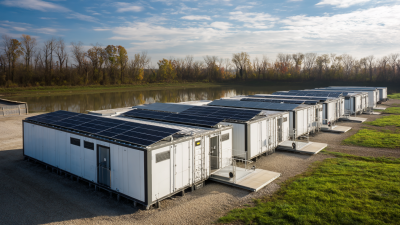
One major advantage is energy efficiency. Hospitals, for instance, benefit from using
Hospital Rockwool Sandwich Panel.
This panel excels in thermal insulation, which can reduce energy consumption by up to 40%. A well-insulated building minimizes heating and cooling costs, crucial for facilities operating 24/7.
The lightweight nature of these panels also streamlines construction, cutting labor and material handling time.
However, it's essential to acknowledge potential downsides. Not all sandwich panels are created equal. Quality varies, impacting durability and insulation performance. Choosing lower-quality options may lead to costly future repairs.
Hence, selecting reliable suppliers is critical. The cost savings from energy efficiency can be overshadowed by issues in maintenance and longevity if not approached with care. Thus, while sandwich panels offer remarkable benefits, proper planning and material selection must remain a priority.
Material Composition: Understanding the Layers of Sandwich Panels
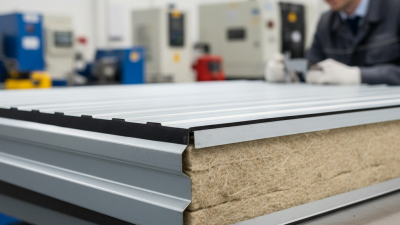
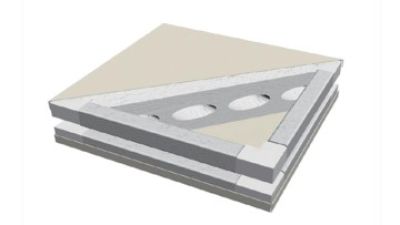
Sandwich panels are unique because of their layered construction. These panels typically consist of two outer layers and a core material. The outer layers can be made from metal, fiber-reinforced polymers, or other durable materials. These provide strength and protection from environmental factors.
The core material often varies, ranging from polystyrene to polyurethane. This core not only adds structural integrity but also enhances insulation. As a result, sandwich panels can improve energy efficiency, making buildings more comfortable and cost-effective. However, the choice of materials can influence the performance and durability of the panels.
While sandwich panels offer numerous advantages, there are also challenges. The bonding between the layers must be flawless to ensure proper performance. If not, moisture can penetrate, leading to potential damage. It's crucial to consider these aspects when selecting sandwich panels for a construction project. Understanding these layers will facilitate better decision-making and application.
Insulation Properties: Energy Efficiency Benefits of Sandwich Panels
Sandwich panels offer remarkable insulation properties. These panels consist of layers of materials with insulating cores. The structure prevents heat loss in winter and keeps interiors cool in summer. This energy efficiency significantly reduces heating and cooling costs. A well-insulated Sandwich Panel House Construction can improve overall comfort. The temperature remains stable, enhancing occupants' quality of life.
Using sandwich panels can also contribute to sustainability. Buildings with better insulation require less energy. This lowers carbon footprints, promoting eco-friendly practices. However, achieving optimal energy efficiency relies on installation quality. Poor craftsmanship can negate benefits. Regular inspections are necessary to maintain insulation performance over time.
Investing in sandwich panels means considering costs versus long-term savings. Initially, these panels may seem expensive. Yet, their durability and energy savings make them worthwhile. Weighing the pros and cons is vital before making a decision. Proper planning ensures that Sandwich Panel House Construction results in effective energy-efficient buildings.
Cost-Effectiveness: Economic Advantages of Using Sandwich Panels
Sandwich panels are transforming construction economics. Their design typically comprises two thin outer layers sandwiching an insulating core. This innovative structure leads to significant construction cost savings. According to a report from the International Federation of Building and Wood Workers, sandwich panels can reduce overall building costs by up to 30%.
Labor costs drop too. The panels are pre-fabricated, allowing for quicker installation. Construction time can be reduced by as much as 50%. This efficiency often translates into reduced overhead. However, not all projects may benefit from these panels, especially those requiring extensive customization. Balancing standardization and unique design needs is crucial.
Additionally, energy efficiency plays a role. The insulating core of sandwich panels can lower heating and cooling expenses. A study by the Department of Energy highlighted a potential 20% reduction in energy consumption. However, it's essential to consider local climate variations. What works in one region may not be as effective in another. Evaluating all factors is necessary for optimal use of sandwich panels.
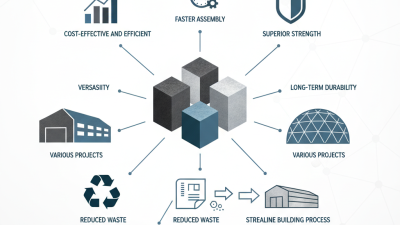
Benefits of Using Sandwich Panels in Construction
Speed of Installation: Time-Saving Benefits in Construction Projects
Sandwich panels have transformed the construction industry, especially when it comes to speed of installation. These panels come pre-fabricated, which drastically reduces the time needed on-site. Traditional methods, like brick or concrete, can take weeks or even months. However, using sandwich panels can cut that time down significantly, making projects more efficient.
One of the key benefits is the lightweight nature of sandwich panels. They are easier to handle, which reduces labor costs. Workers can install these panels quickly, leading to faster project completion. This is particularly useful in time-sensitive projects. Increased speed allows for earlier occupancy, which can directly benefit investors and builders.
Tips: When planning your project, consider the dimensions of the panels. A well-planned layout can further enhance installation speed. Make sure your team is trained in handling these materials for optimal results. Remember that while speed is crucial, ensuring quality is equally important. Rushing may lead to mistakes, affecting the overall integrity of the structure. Reflect on past installations to identify areas for improvement.
Durability and Maintenance: Long-Term Benefits of Sandwich Panels
Sandwich panels have gained popularity in construction due to their impressive durability and low maintenance needs. The Insulated Rockwool Sandwich Panel showcases this well. It offers excellent thermal insulation, which helps maintain stable indoor temperatures. This can reduce energy costs over time. Additionally, these panels can withstand harsh weather conditions, extending their lifespan significantly.
The maintenance of sandwich panels is often straightforward. Generally, regular inspections are all that's needed. Any issues can usually be addressed quickly. This reduces downtime and keeps projects on schedule. However, some builders may underestimate the importance of detailed maintenance checks. Neglecting this can lead to unexpected repairs.
Moreover, the choice of material in sandwich panels matters. Rockwool, for example, is fire-resistant. This feature enhances safety in construction. Still, proper installation is key. If not done correctly, potential vulnerabilities may arise. Builders must stay informed about best practices. Consistent training can mitigate these risks, ensuring a durable structure for years to come.
Design Versatility: Aesthetic Flexibility in Building Designs with Panels
Sandwich panels offer remarkable design versatility in modern construction. Their layered structure allows architects to create buildings with unique aesthetics. A combination of materials provides various textures and colors, giving designers freedom to express creativity. This flexibility can be seen in both residential and commercial projects, making buildings stand out in urban landscapes.
The
Fireproof Rockwool Sandwich Panel
is especially noteworthy. It not only enhances the visual appeal but also ensures safety with its fire-resistant properties. Such panels enable architects to integrate bold designs without compromising on structural integrity or safety. However,
achieving the right balance between aesthetics and functionality can be challenging.
Some designers may focus so much on the outward appearance that they overlook essential aspects like
insulation
and durability. Finding that middle ground requires careful consideration of each project’s specific needs. Overall, the adaptability of sandwich panels
keeps pushing the boundaries of architectural design while addressing practical concerns.
Enhancing Construction Durability: Insights on Magnesium Oxysulfate Clean Panels from Recent Industry Reports
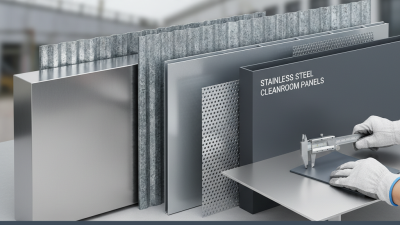
Recent industry reports emphasize the significance of using magnesium oxysulfate clean panels for enhancing durability in construction. These innovative panels, available in various thicknesses of 50mm, 75mm, and 100mm, are designed to withstand extreme conditions while providing excellent thermal insulation with a heat transfer coefficient of merely 0.049 W/m·K. This characteristic ensures efficient temperature regulation, making them ideal for a range of construction projects.
Moreover, the inherent features of these panels address both functionality and safety. With built-in wiring ducts and a fire rating of A1 level, they offer enhanced safety standards that are crucial for any construction environment. The bending load capacity of 2.82 KN/m² allows for versatile application across different structures without compromising structural integrity. Additionally, the panels come in several widths, accommodating various design needs while maintaining an impressive maximum length of up to 4000mm for wall panels and 3000mm for suspended ceiling panels. The adoption of these clean panels presents a strategic approach to building resilience and longevity in modern construction.
FAQS
: Sandwich panels consist of multiple layers, offering insulation and structural benefits in construction.
They provide excellent thermal insulation, reducing energy consumption by up to 40%.
Hospitals and commercial buildings benefit significantly from sandwich panels' efficiency.
Yes, quality varies. Inferior options may lead to durability issues and costly repairs.
Very important. Choosing reliable suppliers ensures better insulation and longevity.
Absolutely. They allow architects to explore unique aesthetics and creative designs.
Some panels have fire-resistant properties, but safety features can vary among products.
They must carefully consider insulation and durability along with visual appeal.
Yes, their lightweight nature can streamline construction, but care is still needed.
Yes, if maintenance issues arise, initial savings can be overshadowed. Proper planning is essential.
Conclusion
Sandwich panels have become increasingly popular in modern construction due to their numerous benefits. Composed of multiple layers, these panels provide excellent insulation, significantly enhancing energy efficiency in buildings. Their cost-effectiveness makes them an attractive option for construction projects, allowing for budget-friendly solutions without compromising quality. Additionally, sandwich panels facilitate speedy installation, saving valuable time during the construction process.
Moreover, the durability and low maintenance requirements of sandwich panels contribute to their long-term advantages, ensuring structures remain intact and aesthetically pleasing over time. Their design versatility further allows architects and builders to create a variety of visually appealing designs, accommodating diverse architectural styles. Overall, the integration of sandwich panels in construction brings about significant improvements in efficiency, sustainability, and aesthetic flexibility.