Lately, collapsible container houses have really started changing the way we think about modern living. These clever designs offer a lot of flexibility and adaptability—exactly what you need in today’s hectic world. Companies like ShelterBox have been at the forefront of this idea, coming up with budget-friendly housing options that work for all kinds of situations, whether it’s emergency relief or city expansion.
These foldable homes serve quite a few purposes. They’re perfect for quick shelter during disasters, but they also offer more sustainable living choices. The best part? They can be put together or taken apart in just a snap, making them super handy for disaster zones. Plus, these structures are versatile enough to be transported easily and set up pretty much anywhere—whether it’s in remote countryside or busy city streets.
But, I gotta say, they’re not necessarily the perfect fit for everyone. Some folks might find the limited space a little tight, and then there are the local rules and regulations that can throw a wrench in the plans in certain areas. So, it’s really important to weigh these things before jumping in. Still, the advantages of collapsible container houses, especially in emergencies, are pretty hard to ignore. I think they really show a smart, future-oriented approach to how we think about housing.

Advantages of Space Efficiency in Collapsible Container Houses
Collapsible container houses bring remarkable space efficiency. Their modular design allows for easy stacking and rearrangement. This adaptability makes them ideal for urban settings where space is scarce. Each unit can serve multiple purposes, such as living, working, or storage. This flexibility can lead to reduced costs and enhanced functionality.
When considering a collapsible container house, plan for layout carefully. Think about your daily activities and how you’ll use each space. Customizing interiors elevates usability. Use multi-functional furniture to maximize space. For instance, a sofa bed can convert a living area into a sleeping zone. Utilize vertical storage solutions to keep your space uncluttered.
One potential challenge arises from material durability. Weatherproofing is crucial to ensure longevity. It's helpful to research insulation options to improve energy efficiency. A well-insulated container house can maintain comfortable temperatures year-round. However, it’s essential to balance aesthetic choices with practical needs for sustainability.
Cost-Effectiveness of Building with Collapsible Container Units
The cost-effectiveness of collapsible container units is profound in today's construction landscape. According to a recent report by the International Finance Corporation, using shipping containers can reduce building costs by up to 30%. This is largely due to the reduced material costs and quicker assembly times. Traditional construction can lead to lengthy delays from harsh weather. In contrast, collapsible container houses minimize such interruptions, potentially saving thousands.
Additionally, the versatility of container houses contributes to financial savings. They adapt easily to different climates and terrains. This adaptability also influences long-term energy costs. Research from the U.S. Department of Energy indicates that well-insulated container homes can lower energy expenses by around 20%. Incorporating features for Container House Climate Control not only enhances comfort but also plays a significant role in energy efficiency.
While the initial investment can appear high, the lifespan of collapsible units compensates for this. Containers are durable and resistant to many environmental factors. However, potential challenges exist, such as insulation requirements and zoning regulations. These factors require careful consideration. Nevertheless, the economic benefits of collapsible container units represent a growing opportunity in sustainable building practices.
Sustainability and Environmental Benefits of Container Homes
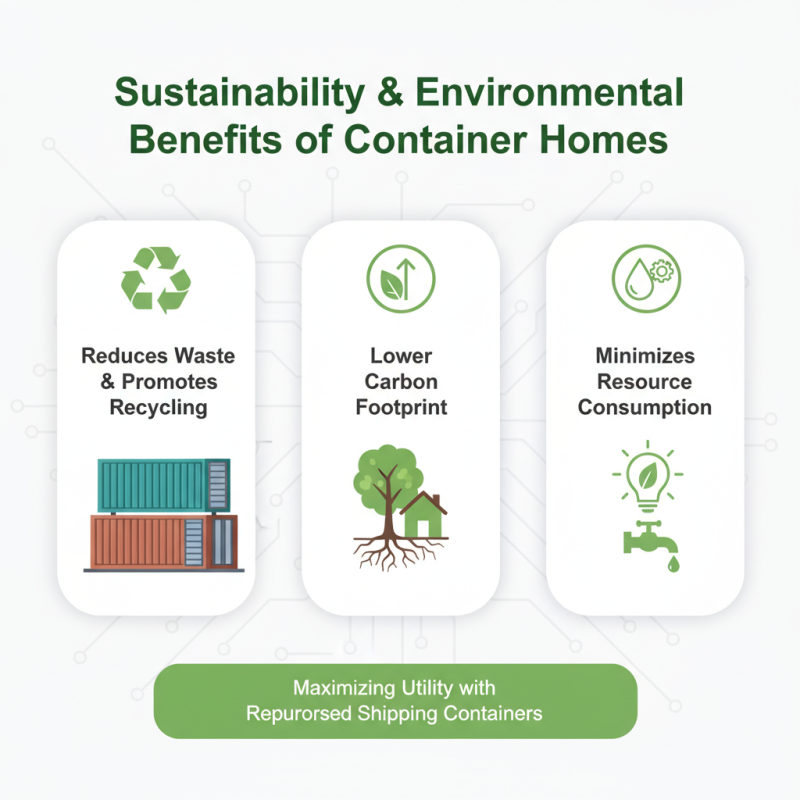
Container homes offer significant sustainability and environmental benefits. Made from repurposed shipping containers, they reduce waste and promote recycling. This approach lowers carbon footprints compared to traditional building methods. Using container houses can minimize resource consumption while maximizing utility.
Emphasizing eco-friendliness, container homes often use less energy for heating and cooling. Their design allows for energy-efficient solutions, such as solar panels. This not only saves money but also helps the environment. Consider incorporating green roofs or rainwater harvesting systems. These features enhance sustainability and create a more self-sufficient living space.
When creating a container home, think about insulation. Proper insulation is essential for maintaining a stable indoor climate. Poor insulation can lead to energy waste, negating environmental benefits. Additionally, location matters. Building in eco-friendly regions can enhance the overall sustainability of your container house. With thoughtful planning and design, you can create a practical but imperfect home that reflects a commitment to eco-conscious living.
Versatility: Different Applications of Collapsible Container Houses
Collapsible container houses have gained popularity due to their versatility. These structures serve various applications, making them ideal for many sectors. They can be used as temporary housing, offices, or even classrooms in disaster-stricken areas. According to a report by the World Bank, portable housing solutions like container houses can reduce housing shortages in emergency situations by 30%.
In urban settings, these units can function as pop-up shops or studios. Their modular design allows for easy assembly and disassembly, supporting sustainable construction practices. In fact, the Global Container Housing Market is projected to grow at a CAGR of 7.5% from 2021 to 2026. This shows a strong demand for innovative housing solutions worldwide.
Tip: Consider local regulations before using container houses in construction projects. Always ensure that the design meets building standards. Additionally, think about the environmental impact. Container House Portable Housing might reduce waste but needs proper planning. Evaluate each project's unique needs before committing to a design. This reflects responsible and informed decision-making in using collapsible container houses.
Ease of Transportation and Relocation for Container Homes
Collapsible container houses stand out for their ease of transportation and relocation. This feature makes them an ideal choice for those with a mobile lifestyle. They can be transported to various locations with minimal hassle. A flatbed truck can carry several units, reducing logistics costs. Similarly, setting them up requires less time and effort compared to traditional homes.
Relocating a container home is often straightforward. When life changes, you can move your home easily, keeping your living space flexible. Ideal for those seeking adventure or for temporary housing needs, container houses meet diverse requirements. However, transporting these structures is not without challenges. Roads, local zoning regulations, and access to delivery sites can complicate relocations.
Living sustainably is another benefit of container houses. They incorporate eco-friendly materials. Container House Eco Architecture promotes sustainability through efficient design. Yet, it’s important to remember that not all containers are created equal. Basic modifications might not suffice for harsh climates or long-term living. Adapting these homes to specific needs requires open-mindedness and creativity.
Top 10 Benefits of Using Collapsible Container Houses Today
Quick Construction Times Compared to Traditional Housing Methods
One of the primary advantages of collapsible container houses is their remarkably quick construction time. Unlike traditional housing, which can take months or even years, these structures can be erected in a matter of days. According to a study by the National Institute of Standards and Technology, modular and prefabricated homes, including container houses, can reduce construction times by up to 50%. This type of housing is particularly beneficial for temporary housing solutions during emergencies or natural disasters.
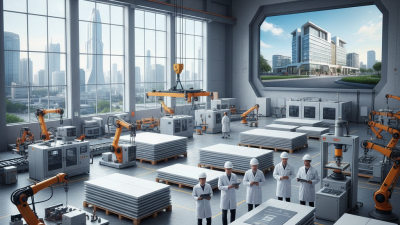
Container houses rely on a simple assembly process. Prefabricated sections are produced off-site, minimizing on-site work. This method not only speeds up construction but also reduces labor costs. A report from the Modular Building Institute indicates that the labor required for modular homes is 30% less compared to traditional builds. Additionally, this efficiency allows for a more predictable timeline, an essential factor for families needing immediate shelter.
Despite these benefits, there are challenges to consider. Not all local regulations accommodate container houses easily. Zoning laws may hinder their widespread adoption. Furthermore, while quick to assemble, these homes might need modifications for insulation and aesthetics. Balancing efficiency with comfort and compliance remains a challenge for many developers in the field of Container House Temporary Housing.
Top 10 Benefits of Using Collapsible Container Houses Today
| Benefit |
Description |
Impact |
| Quick Construction |
Collapsible container houses can be set up in days, significantly faster than traditional homes. |
Reduced construction time, faster occupancy. |
| Cost-Effective |
Lower building costs due to reduced material use and labor. |
Affordable housing solutions for more people. |
| Eco-Friendly |
Made from recycled materials, reducing environmental impact. |
Promotes sustainability and green living. |
| Mobility |
Easily transportable to different locations. |
Flexibility for relocation and various uses. |
| Durability |
Built to withstand harsh weather conditions. |
Long-lasting investment for homeowners. |
| Versatility |
Can be used for various purposes – homes, offices, storage. |
Adaptable to different needs and scenarios. |
| Minimal Land Requirements |
Requires smaller footprints compared to traditional houses. |
More options for urban living and tight spaces. |
| Customizable |
Easily customizable designs to suit personal preferences. |
Personalized living spaces that cater to individual styles. |
| Safety |
Designed to meet safety standards and regulations. |
Peace of mind for residents regarding structural safety. |
| Community Development |
Encourages the development of sustainable and affordable communities. |
Supports social initiatives and affordable housing projects. |
Modern Aesthetics and Customization Options in Container Architecture
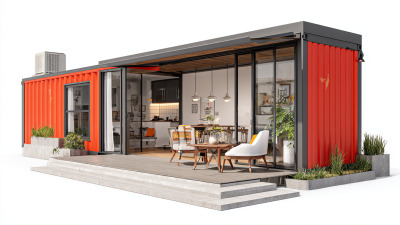
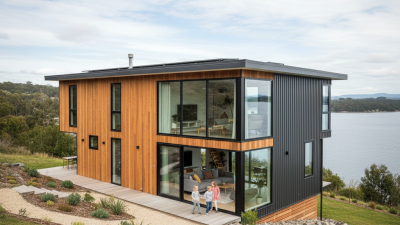
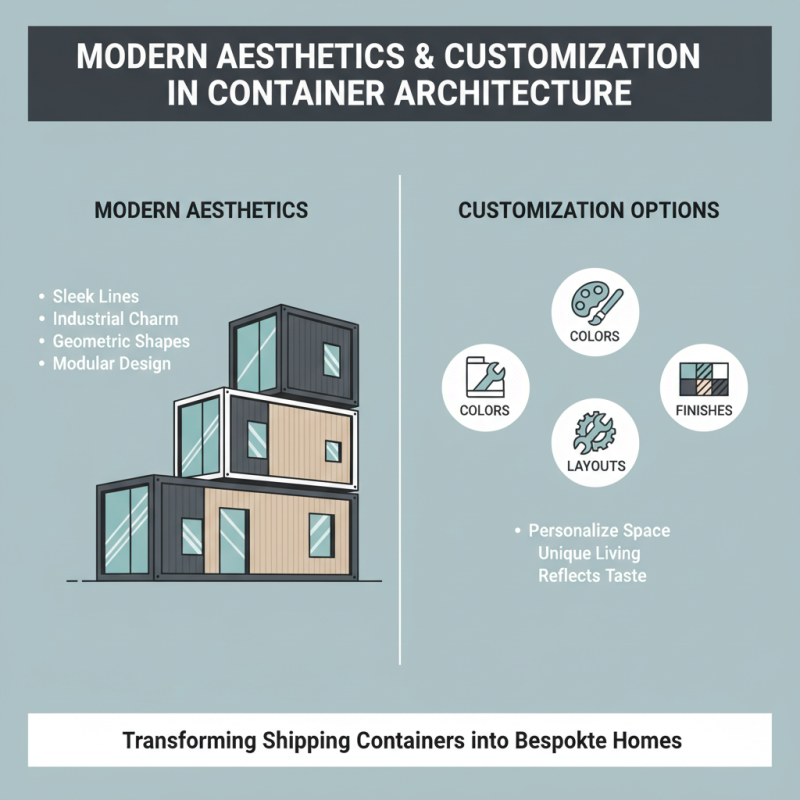
Container architecture merges modern aesthetics with vast customization options. The appeal lies in its sleek lines and industrial charm. Homeowners can personalize layouts, colors, and finishes to fit their style. Each container can transform into a unique living space that reflects individual tastes.
Customization goes beyond mere appearance. Interior designs can optimize small spaces efficiently. A collapsible container house can provide cozy nooks, multifunctional areas, and smart storage solutions. However, achieving perfect balance requires thoughtful planning. It’s vital to consider practical needs alongside aesthetic desires. Sometimes, what looks good may not function well.
The exterior can also tell a story. Some choose bold colors, while others prefer muted tones that blend with nature. Retractable wooden decks and glass walls create seamless indoor-outdoor experiences. Yet, balancing climate adaptability with design can be challenging. Each choice requires careful thought to ensure longevity and sustainability. Embracing these imperfections can lead to greater innovation and beauty.
Transforming Temporary Workspaces: Insights from 2023 Prefabricated Housing Market Report on T-Type Prefabricated House Applications
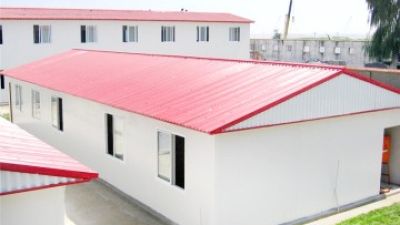
The 2023 Prefabricated Housing Market Report highlights the growing demand for T-Type prefabricated houses, particularly in the realm of transforming temporary workspaces. This innovative solution integrates efficient design with robust structural systems ideal for various applications, from construction sites to disaster relief zones. The use of C80# cold-formed steel welded columns and floor beams not only enhances the structural integrity but also supports a wide range of live loads, with a floor live load capacity of 150 kg/m² and roof live load capacity of 30 kg/m², making them suitable for diverse operational needs.
In terms of envelope systems, T-Type houses utilize a combination of 50mm double-sided color steel sandwich panels for walls and high-quality roofing materials such as 20mm PU roof sheets. These choices ensure high thermal efficiency and weather resistance while maintaining the structure's lightweight characteristics. Just as importantly, the implementation of aluminum sliding windows and steel sandwich core doors enhances both security and accessibility, crucial features for temporary workspaces that require quick setup and flexibility.
Moreover, the structural safety of T-Type houses has been rigorously tested, meeting high standards for seismic resistance (Grade 7) and typhoon resistance (Grade 12). With standard dimensions allowing for customizable configurations—widths from 2T to 6T and varying heights for single or double floors—these prefabricated houses can be tailored to fit specific workspace requirements. As evidenced by industry reports, the adaptability and strength of T-Type prefabricated houses position them as a forward-thinking solution in the evolving landscape of temporary workspaces.
FAQS
: Collapsible container houses offer remarkable space efficiency. Their modular design allows stacking and rearrangement for urban settings.
Use multi-functional furniture like sofa beds. Vertical storage solutions help keep areas uncluttered and organized.
Think about daily activities and space usage. Customizing interiors enhances usability and comfort.
Weatherproofing is crucial for durability. Research insulation to improve energy efficiency and maintain comfortable temperatures.
Yes, container architecture allows vast customization. Homeowners can choose layouts, colors, and finishes to reflect their style.
Achieving balance between aesthetics and function can be difficult. Sometimes what looks good may not be practical.
Features like retractable decks and glass walls create a seamless indoor-outdoor experience. Thoughtful design maximizes usability.
Balance design choices with practical needs. Ensure energy-efficient options and durable materials to promote sustainability.
Climate adaptability is important. Thoughtful planning must consider both design and environmental factors for longevity.
Embracing some flaws can lead to creativity. Innovation often arises from addressing challenges in the design process.
Conclusion
Collapsible Container Houses offer numerous advantages that make them an appealing choice for modern living. One of the primary benefits is their space efficiency, allowing for creative and functional designs in limited areas. Additionally, these houses are cost-effective, providing a budget-friendly alternative to traditional construction methods. The sustainability factor cannot be overlooked, as container homes promote environmental consciousness by utilizing recycled materials and reducing waste. Their versatility allows for various applications, from residential to commercial use, adapting to different needs.
Transportation and relocation are simplified with Collapsible Container Houses, making them ideal for those who value mobility. The quick construction times significantly reduce the waiting period associated with traditional building methods, allowing homeowners to settle in sooner. Furthermore, the modern aesthetics of container architecture provide a unique and customizable living experience, appealing to those looking for innovative designs while maintaining sustainability and efficiency.