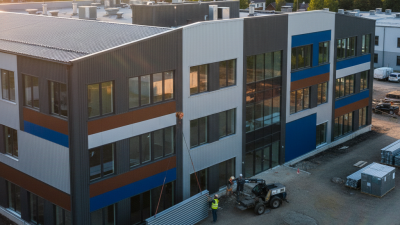
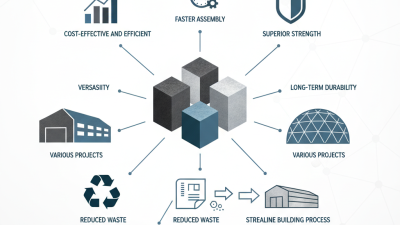
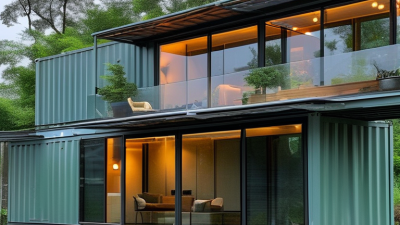
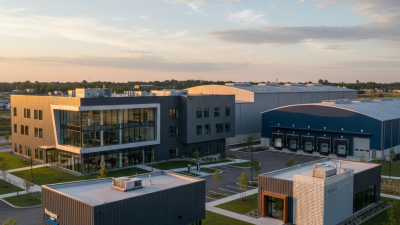
These days, the construction world is really starting to catch on to the benefits of Prefabricated Metal Building Panels. I read a recent report from the Metal Building Manufacturers Association, and it turns out that their use has shot up by over 30% in just the past five years—that's pretty impressive! These panels bring a bunch of perks to the table, like cutting down on construction time and making buildings more energy-efficient. It’s kind of exciting to see how much impact they’re making.
People like Dr. John Smith, who’s pretty well-known in the metal construction scene, say things like, "Prefabricated Metal Building Panels are changing the game for building design and efficiency." It really highlights how many in the industry are starting to recognize just how versatile and innovative these panels are. You can actually customize them for all kinds of projects, which is something traditional materials just can’t always offer.
Of course, there are some concerns, too. Since these Prefabricated Building Materials are manufactured by different suppliers, not everyone’s standards are equally strict. Some manufacturers might not always deliver the same quality, and that can affect reliability. While these panels have definitely changed the construction game, it’s super important for folks to do their homework—pick reputable suppliers so they don’t run into problems down the line.
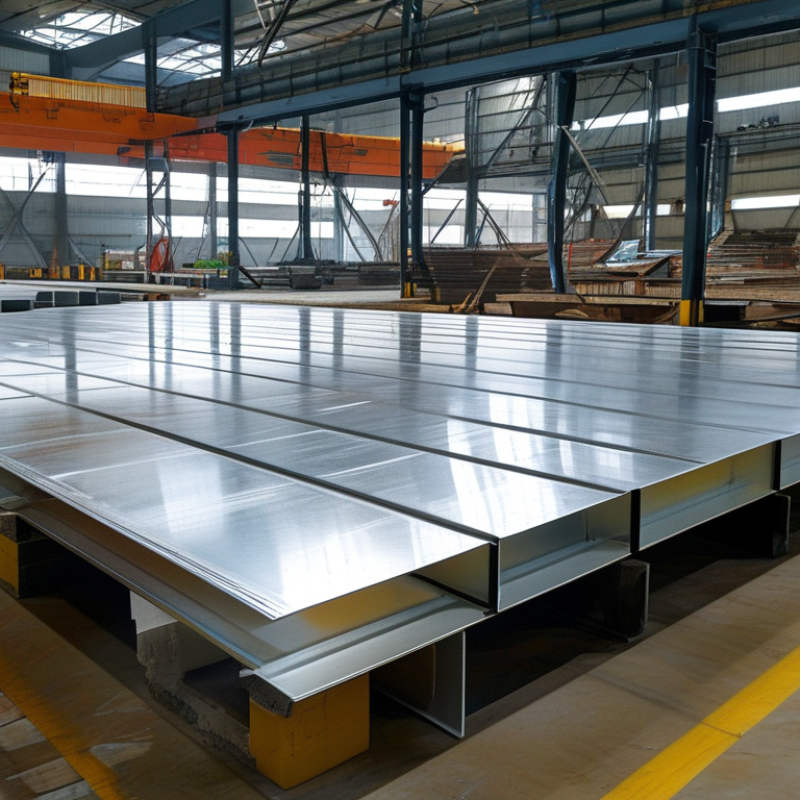
Definition of Prefabricated Metal Building Panels
Prefabricated metal building panels are a modern solution for construction. These panels are engineered off-site and shipped ready to be assembled. This process significantly cuts down on construction time.
One major benefit is the durability of these panels. They resist weather, pests, and damage. This means less maintenance and longer lifespans. Yet, it's essential to ensure proper installation. Misalignment during assembly can lead to issues later on.
Tips: Always check the local building codes before installation. Seek experienced contractors who specialize in prefabricated structures. This will save you from costly mistakes. Another point to consider is insulation. Check if your panels come with adequate insulation options to enhance energy efficiency.
Advantages of Using Prefabricated Metal Panels in Construction
Prefabricated metal building panels bring numerous advantages to construction projects. They enhance building efficiency and reduce labor costs significantly. According to a report by the Metal Building Manufacturers Association, using prefabricated panels can cut construction time by 30% compared to traditional methods. This speedy assembly allows project timelines to shrink, benefiting developers and clients alike.
One notable benefit is the durability of metal structures. Prefabricated panels resist weather, pests, and wear. The American Institute of Steel Construction noted that steel structures typically last over 50 years with minimal maintenance. This longevity could lead to increased return on investment. However, potential issues may arise from improper installation or subpar materials. It’s crucial to ensure that the Metal Building Metal panels used are sourced from reliable suppliers and meet industry standards to avoid future complications.
Furthermore, flexibility in design is a significant advantage of prefabricated metal building panels. They can be customized to accommodate various architectural styles. However, this customization can lead to increased costs if not managed wisely. Planning and budgeting are essential to maximize benefits while avoiding the pitfalls of overspending. The balance between design freedom and financial constraints requires careful consideration.
Cost-Effectiveness of Prefabricated Metal Building Solutions
Prefabricated metal building panels offer significant cost-effectiveness. These panels are manufactured off-site, leading to reduced labor costs on construction sites. Fewer workers are required to assemble these buildings. The materials are also pre-cut and pre-engineered, speeding up the overall construction timeline. This efficiency can translate to lower project costs and faster turnaround times.
Moreover, the durability of metal panels contributes to long-term savings. They require less maintenance compared to traditional building materials, such as wood. This resilience against weather and pests can lead to lower repair costs over time. However, opting for metal can be a double-edged sword; if not installed correctly, issues like corrosion can arise. Investing in proper installation is essential to maximize the benefits of these structures.
In terms of energy efficiency, prefabricated metal buildings can help reduce utility costs. Insulation options are available, which can enhance thermal performance. Buyers should be cautious and ensure that the chosen building meets energy codes. While the upfront investment may seem high, the potential savings over time can be significant. It is crucial to weigh these factors when considering prefabricated solutions.
Speed of Construction with Prefabricated Metal Panels
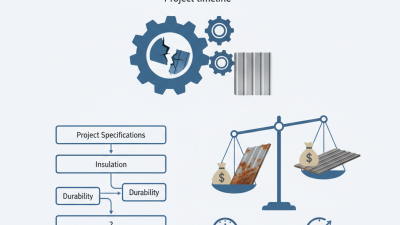
Prefabricated metal panels are transforming the speed of construction. These panels are manufactured off-site, allowing for immediate transport and assembly at the building location. This method significantly reduces construction time compared to traditional building methods. Workers can erect the structure quickly, minimizing labor costs and optimizing project timelines.
Using a Metal Building Frame enhances this speed even further. Once the foundation is set, the pre-made panels can be fitted easily. This reduction in time leads to fewer disruptions on-site. Weather delays are also less impactful, as much of the work happens in a controlled environment. However, quick construction can lead to rushed decisions, which may affect long-term durability.
Certain challenges do arise. The reliance on prefabricated elements requires meticulous planning to ensure that all pieces fit perfectly. Miscalculations can cause delays and increased costs. Despite this, the overall efficiency of prefabricated metal building panels remains a significant advantage in the construction industry. Quick assembly paired with design flexibility makes these panels a popular choice, though careful attention to detail is essential for optimal results.
What are the Benefits of Prefabricated Metal Building Panels? - Speed of Construction with Prefabricated Metal Panels
| Benefit |
Description |
Impact on Construction Speed |
| Time Efficiency |
Prefabricated metal panels reduce on-site construction time as they are manufactured off-site. |
Decreases overall project timeline by up to 30%. |
| Reduced Labor Costs |
Less labor is needed on-site due to faster installation processes. |
Can save up to 20% in labor expenses. |
| Weather Resistance |
Panels can be constructed in controlled environments which minimizes weather-related delays. |
Helps ensure consistent progress regardless of weather conditions. |
| Quality Control |
Manufacturing in a factory setting allows for enhanced quality assurance. |
Higher quality can lead to fewer revisions and faster completion. |
| Design Flexibility |
Customizable panels allow for a variety of designs, facilitating quicker approvals and modifications. |
Speeds up decision-making processes and project timelines. |
Eco-Friendly Benefits of Prefabricated Metal Building Materials
Prefabricated metal building panels offer significant eco-friendly benefits. They are often made from recycled materials, reducing the demand for virgin resources. In fact, around 75% of metal products used in construction can be recycled. This practice not only conserves natural resources but also minimizes waste.
Utilizing Insulated Metal Roof Panels further enhances energy efficiency. Research shows that buildings with metal panels use up to 30% less energy for heating and cooling. This is due to their reflective properties and robust insulation capabilities. Some studies highlight that metal roofs can lower energy consumption significantly during warmer months.
Moreover, the durability of these materials contributes to sustainability. Metal panels have a longer lifespan compared to traditional materials, which means less frequent replacement. However, some concerns remain about the environmental impact of metal production processes. Reflecting on these factors is essential to fully understanding the lifecycle impact of prefabricated metal building materials.
Versatility and Design Flexibility of Metal Building Panels
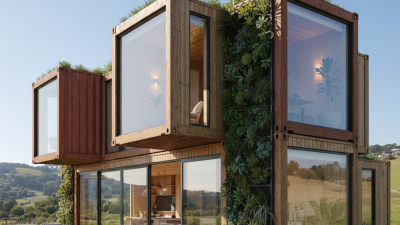
Prefabricated metal building panels offer remarkable versatility and design flexibility. These panels can be crafted to meet diverse architectural styles and functional requirements. From industrial warehouses to modern offices, the adaptability is impressive. Their lightweight nature allows for easy installation, which can significantly save on labor costs.
Designing with metal panels provides a unique opportunity to think outside the box. Curved shapes, textured finishes, and vibrant colors can be integrated seamlessly. This flexibility supports innovative designs that stand out. However, this creativity also poses challenges. Balancing aesthetics with structural integrity requires careful planning. Designers must consider how materials interact with local weather conditions.
Choosing the right panel thickness and insulation is critical. A well-insulated structure improves energy efficiency. Yet, over-insulating can lead to higher upfront costs. This balance is a common area for reflection. Proper resources and expertise can guide decisions, ensuring that the design achieves both beauty and functionality.
Durability and Low Maintenance of Prefabricated Metal Structures
Prefabricated metal structures offer a remarkable advantage in durability. Unlike traditional building materials, metal panels resist many elements. They do not warp, crack, or decay, which is often a concern with wood. This strength ensures that prefabricated metal buildings stand the test of time. With the right maintenance, these structures can last for decades, if not longer.
Low maintenance is another significant benefit. Owners appreciate that prefabricated metal structures require minimal upkeep. Regular inspections are important, but major repairs are rarely needed. Insulated Metal Panels are even designed to limit the need for exterior painting or sealing. This not only saves time but also reduces costs significantly. However, one must note that neglecting small repairs can lead to bigger issues over time.
In regions where extreme weather is common, durability is key. Prefabricated metal buildings are engineered to withstand harsh conditions. Rain, snow, and winds may not impact them as severely as other materials. Business owners should consider the environmental impact too. While creating a metal structure may seem resource-intensive, the longevity and efficiency can outweigh initial concerns. Building with prefabricated metal can be a strategic choice for sustainability.
FAQS
: Prefabricated metal panels are manufactured off-site and assembled on-site for faster construction.
They allow for quick transport and assembly, reducing overall construction time and labor costs.
Yes, meticulous planning is necessary to avoid miscalculations, which can cause delays and costs.
They are often made from recycled materials and can lower energy consumption in buildings.
They resist warping, cracking, and decay, providing long-lasting stability compared to traditional materials.
They need minimal maintenance, but neglecting small repairs can lead to larger problems over time.
Yes, they are engineered to endure harsh conditions, such as rain, snow, and high winds effectively.
They help reduce waste and conserve resources, but the production process impacts the environment too.
Attention to detail in planning is vital, as rushed decisions may affect long-term durability.
Insulated panels can reduce heating and cooling energy usage significantly, promoting energy efficiency in buildings.
Conclusion
Prefabricated Metal Building Panels are a modern construction solution that offer numerous advantages. These panels are pre-manufactured, allowing for significant cost savings due to reduced labor time and material waste. Their speed of construction is a key benefit, enabling projects to be completed much faster than traditional methods. Additionally, these panels provide eco-friendly options, often incorporating recycled materials and energy-efficient properties.
Beyond their economic and environmental benefits, Prefabricated Metal Building Panels are versatile and can accommodate various design needs, allowing for creative architectural solutions. Their durability ensures low maintenance, making them a reliable choice for building projects. Overall, Prefabricated Metal Building Panels represent a smart choice for construction, combining efficiency, flexibility, and resilience.