Leave Your Message
Request a Quote
0%

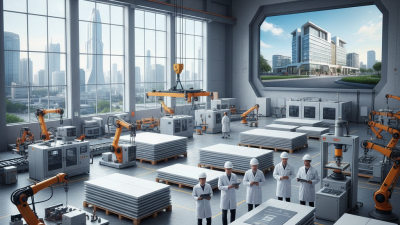
Have you noticed how Modular Homes seem to be gaining popularity lately? They actually come with quite a few perks that both homeowners and builders really appreciate. Basically, these homes are built in sections or modules right in a factory, then shipped to the site to be assembled—kind of like building with Lego blocks. This approach usually means shorter construction times and can even save some money.

The whole process is pretty smooth, and since they’re built in a controlled environment, quality control is solid—materials and craftsmanship tend to be up to standard. That said, keep in mind that not all modular homes are created equal. Some might lack that one-of-a-kind architectural flair or full customization, so it’s worth thinking about what you actually need before jumping in.

Another big plus is energy efficiency. Many modular homes incorporate cutting-edge materials and clever design techniques, which help cut down your utility bills and make the space more comfortable. But, just a heads-up—do your homework and explore different options. Not every modular home offers all these benefits equally. Picking the right one can definitely turn out to be a smart, rewarding investment.
Top 10 Benefits of Modular Homes You Need to Know?

Understanding Modular Homes: An Overview

Modular homes are quickly gaining popularity in the housing market. These structures are built in sections in a factory and transported to the site. Data from the Modular Building Institute shows that modular construction can reduce build time by up to 50%. This efficiency is appealing to many homebuyers. With rising housing costs, Prefab Modular Homes offer an economical alternative.

For those considering modular homes, it’s essential to understand the flexibility they provide. Buyers can customize layouts and materials. This option often leads to better satisfaction than traditional home building. In fact, a survey by the National Association of Home Builders indicates that 70% of home buyers prefer customizing features in their homes.

Tip: When selecting a builder, check their experience with prefab modular homes. A reputable builder will ensure quality and adherence to local regulations. Also, keep in mind that while modular homes are often cheaper, they may require specific financing options.

Not everyone is aware of the inspection standards for modular homes. These homes must meet the same building codes as traditional homes. However, not every builder follows through on this. Potential buyers should research thoroughly to avoid pitfalls.

Cost-Effective Construction: Budget Advantages of Modular Homes

Top 10 Benefits of Modular Homes You Need to Know?

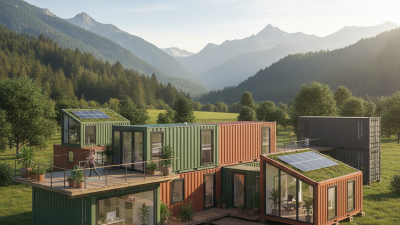
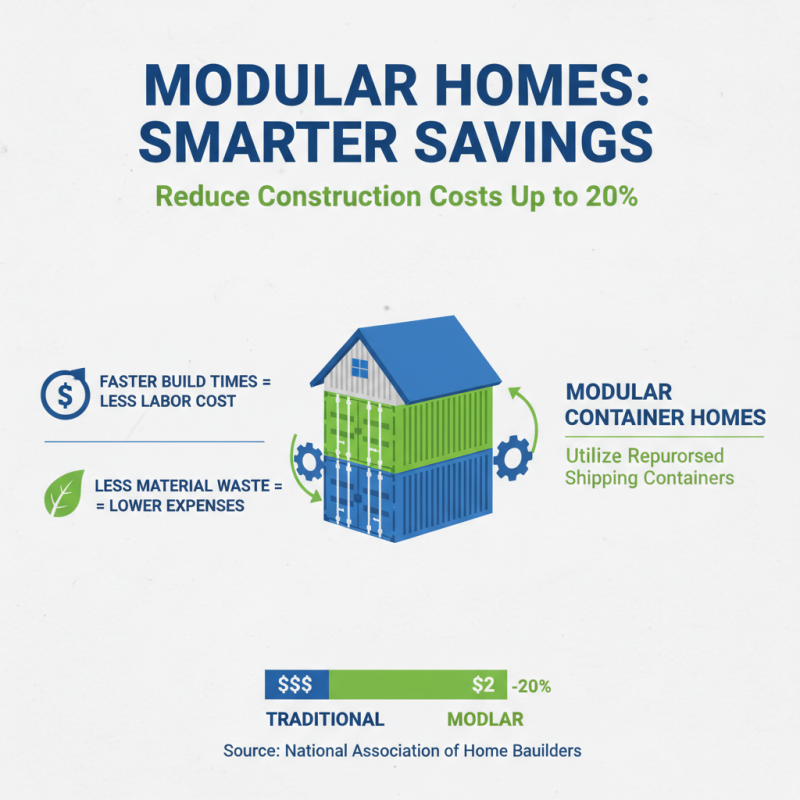
Modular homes offer significant cost advantages in construction. A report by the National Association of Home Builders indicates that modular construction can reduce building costs by up to 20%. This is especially true for Modular Container Homes, which utilize repurposed shipping containers. These homes often require fewer materials than traditional builds, leading to reduced waste and lower expenses.

Labor costs are also lower in modular construction. Since much of the building occurs in a factory setting, skilled labor can work more efficiently. A survey from the Modular Building Institute found that projects completed using modular methods can save up to 30% on labor costs. These savings are attractive to budget-conscious buyers.

However, these benefits are not without challenges. The initial design phase can be complex. Customization options may be limited in some modular designs, leading to dissatisfaction for some buyers. It's essential to weigh these factors when considering the switch to modular building techniques. Balancing cost-effectiveness with individual needs can be tricky but worth exploring.

Time Efficiency: Faster Build Times Compared to Traditional Homes

Modular homes are known for their impressive time efficiency. On average, these homes take about 30% less time to build than traditional sites. Research from the National Association of Home Builders shows that modular construction can reduce build time from months to just a few weeks. This efficiency results from streamlined processes and advanced construction methods.

Container Homes, a popular form of modular housing, exemplify this speed. With prefabricated designs, construction teams can quickly assemble these structures on-site. A builder can often complete a container home in as little as six weeks. This rapid turnaround appeals to many buyers looking to move in faster.

However, this speed does come with some challenges. Rushing the process may lead to compromises on quality and design. Sometimes, homeowners find defects that require repairs after moving in. It’s essential for buyers to balance the allure of quick completion with thorough inspections and quality checks. Understanding these nuances can help in making informed decisions in the modular home market.

Sustainability: Eco-Friendly Features of Modular Homes

Modular homes are becoming popular for their eco-friendly features. These homes are often built with sustainable materials. They can reduce waste during the construction process. Most modular homes are designed for optimal energy efficiency. This can help minimize utility bills.

One significant aspect is their ability to use renewable energy sources. Solar panels, for instance, can easily be installed. Rainwater harvesting systems can be incorporated too. These features contribute to a smaller carbon footprint. However, some may still question the long-term durability of modular structures compared to traditional homes.

Another point to consider is insulation. Many modular homes come with advanced insulation systems. This keeps homes warm in winter and cool in summer. Yet, some builders may skimp on insulation to save costs. It’s crucial to verify the quality. Eco-friendliness should not compromise on comfort or safety.

Customization Options: Tailoring Modular Homes to Your Needs

Modular homes offer unique customization options that appeal to many homeowners. These homes allow you to design spaces that fit your lifestyle. According to a report from the Modular Home Builders Association, over 85% of new modular home buyers prioritize customization in their home design. This flexibility means you can choose everything from floor plans to specific materials.

Imagine being able to select colors, fixtures, and layouts that reflect your personality. Some modular homes come with options for eco-friendly features, saving on energy costs. However, not all customization options are perfect. It can be challenging to stay within budget while trying to achieve your dream home. Reports show that nearly 70% of buyers exceed their initial budget during the customization process. This is a common issue that requires careful planning and decision-making.

Moreover, the timeline for customization can be longer than anticipated. Delays can occur due to supply chain issues or design changes. This can lead to frustration for homeowners eager to move in. Many find themselves wavering between their vision and practical limitations. The balance between personalization and practicality is essential in creating a modular home that truly feels like yours.

Top 10 Benefits of Modular Homes - Customization Options

Quality Control: How Modular Construction Ensures Higher Standards

Top 10 Benefits of Modular Homes You Need to Know?

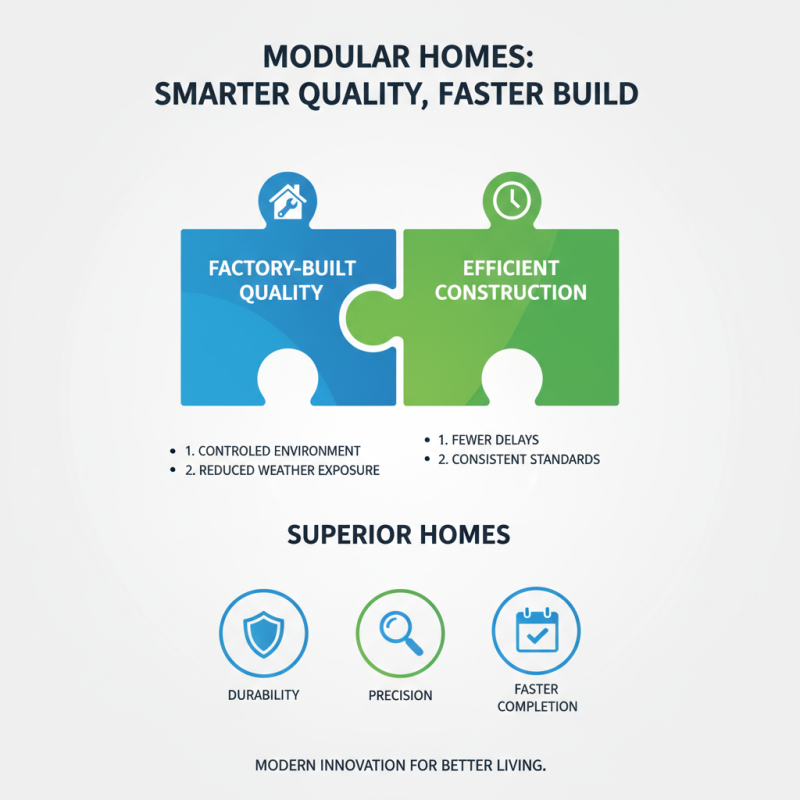
Modular homes are gaining popularity for many reasons, especially in quality control. One significant advantage is that modular construction often leads to better quality standards. The process reduces exposure to weather elements. This leads to fewer construction delays and ensures that each unit is built under factory-controlled conditions.

According to a report by the National Association of Home Builders, homes built in a controlled environment have a lower defect rate. They also tend to meet stricter quality regulations. For instance, reports show that off-site construction methods can reduce build times by up to 50%. This efficiency can result in fewer labor errors. Yet, this fast pace can sometimes lead to rushed decision-making. Not every modular unit hits perfection, and homeowners may need to address minor finishing issues.

Container House Modular Units exemplify this optimal blending of speed and quality. They can be customized to fit specific needs while adhering to high construction standards. However, potential buyers should carefully research local regulations. Some jurisdictions may have stringent requirements. It's key for buyers to weigh these factors before making a decision.

Mobility and Flexibility: Relocation Benefits of Modular Homes

Modular homes offer unique advantages, particularly in terms of mobility and flexibility. These homes are built in sections, allowing easy transportation to various locations. If life circumstances change, it becomes simpler to relocate. This mobility is invaluable for people who need to move for work or personal reasons.

Imagine a couple buying a modular home near family. A few years later, they decide to chase new job opportunities in a different city. Relocating their home saves them time and money compared to traditional houses. They can adjust their living situation without excessive hassle. Moreover, modular homes often come with set foundations designed for quick adaptation.

However, moving isn’t always seamless. Finding a new lot can present challenges. Local regulations may complicate the process. Also, disconnecting and reconnecting utilities requires planning. Despite these hurdles, many find the benefits outweigh the drawbacks. The freedom to choose where to live adds a layer of satisfaction to homeownership.

Top 10 Benefits of Modular Homes You Need to Know: Mobility and Flexibility

Benefit Description Impact
Easy Relocation Modular homes can be disassembled and transported to new locations. Increased adaptability to changing life circumstances.
Cost-Effective Lower costs compared to traditional homes due to factory efficiency. Affordability improves housing accessibility.
Faster Construction Modular homes are built in sections off-site, allowing for quicker assembly. Reduced waiting time for homeowners.
Customizable Homeowners can personalize layouts and designs before construction. Increased satisfaction and sense of ownership.
Energy Efficiency Many modular homes are built with energy-efficient materials. Lower utility bills for homeowners.
Quality Control Constructed in controlled environments reducing the risk of defects. Higher overall construction quality.
Eco-Friendly Options Sustainable building options are available, including recycled materials. Reduced environmental footprint.
Resilience Built to withstand extreme weather conditions. Safer living environments in disaster-prone areas.
Community Integration Can be easily integrated into various community settings. Enhances neighborhood diversity.
Financing Flexibility Often have financing options similar to traditional mortgages. Easier access to homeownership for more individuals.

FAQS

: What is the main purpose of the product?

: The product is designed to enhance daily convenience for users in various tasks.

Who can use this product?

Anyone looking for efficiency can use it. It's suitable for different age groups.

How does this product work?

It functions through a simple mechanism, allowing easy operation with minimal steps.

Are there any limitations?

Yes, it may not work as effectively in extreme conditions. This requires user adjustment.

How should the product be maintained?

Regular cleaning is necessary. Ensure it’s dry before storing to prolong its lifespan.

Can it be returned if not satisfied?

Yes, return policies allow for refunds within a specific timeframe. Check details beforehand.

Is there a user manual available?

Yes, a detailed user manual is included. It contains troubleshooting tips as well.

What if I encounter a problem?

If issues arise, contact support. They can provide guidance and potential solutions.

Are there any safety precautions?

Yes, avoid exposure to moisture. Handle with care to prevent accidents or damage.

How to improve user experience?

Experiment with different settings. Understanding functions can enhance its usability and effectiveness.

Conclusion

Modular Homes offer a variety of significant benefits that make them an appealing option for modern living. One of the primary advantages is their cost-effectiveness, as they typically require less time and labor to construct, allowing for budget-friendly building solutions. Additionally, Modular Homes are known for their faster build times compared to traditional homes, providing homeowners with quicker access to their new living spaces.

Sustainability is another key feature, as many Modular Homes incorporate eco-friendly materials and energy-efficient designs. The level of customization available ensures that these homes can be tailored to meet individual preferences and needs. Moreover, the quality control involved in the modular construction process tends to result in higher standards, offering peace of mind to homeowners. Lastly, the mobility and flexibility of Modular Homes make them an excellent choice for those seeking relocation options without the hassle of traditional home moving.
Isabella

Isabella

Isabella is a dedicated professional marketing specialist with a profound expertise in the realm of temporary construction solutions. With a strong focus on standardization, modularization, and generalization, she plays a pivotal role in promoting the company's comprehensive service platform that......
Previous Why Wall Material Selection Impacts Your Building Energy Efficiency and Costs