- Home
- Products
- Solution
- Case
- Partnership
- About Us
- News
Inquiry
Leave Your Message
Lately, metal buildings have been gaining a ton of popularity for all sorts of construction projects. I honestly didn’t expect it at first, but then I saw how much the Metal Building Manufacturers Association reports that the use of pre-engineered metal buildings has shot up over the past decade. A big reason? They’re pretty affordable and last like, forever. Companies like API Services and General Steel even say that opting for metal buildings can really cut down on both time and costs when you’re working on a project.
One of the coolest things about Metal Building Metal is how flexible it is. You can totally customize these structures for all kinds of uses—whether you need a warehouse, an office, or a retail space, the options are pretty much endless. Plus, they’re super tough against weather damage, so you don’t have to worry too much about maintenance piling up.
That said, it’s not all sunshine and rainbows. Some folks might think metal buildings don’t look as nice as traditional ones, and that can even cause issues with local zoning approvals here and there. It's definitely something to consider when planning your project. Still, in the end, most folks agree that the benefits — like the cost savings and durability — pretty much outweigh the downsides, making Metal Building Metal a pretty solid choice for modern construction needs.
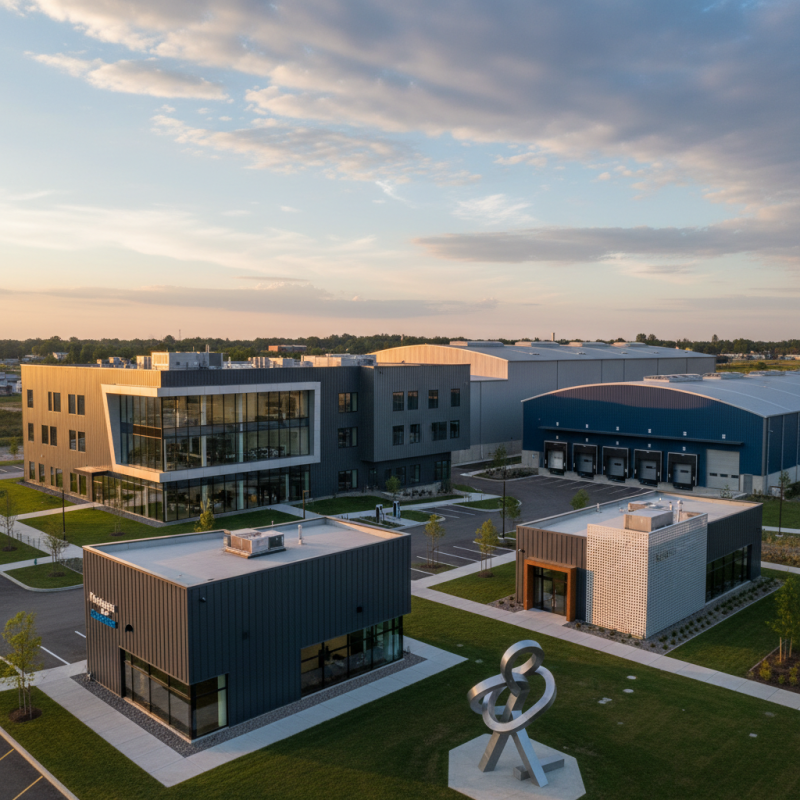
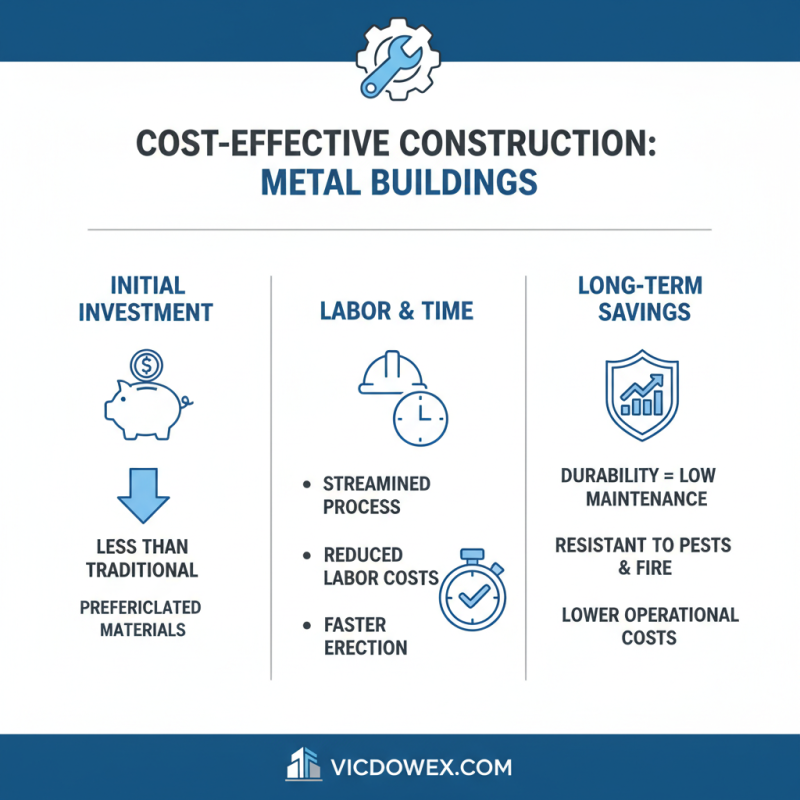
Metal buildings offer numerous benefits across various industries. They are strong, durable, and require less maintenance than traditional buildings. The use of a Metal Building Frame allows for versatile designs that can accommodate different needs. Many construction projects benefit from the quick assembly of metal structures. This speed can lead to significant cost savings.
Tips: Consider local climate when choosing your metal building design. Extreme weather can affect structural integrity. Think about insulation needs, especially in areas with drastic temperature changes.
Metal buildings are also environmentally friendly. They often incorporate recycled materials, contributing to sustainability. The energy efficiency of these structures can result in lower utility bills. Even so, proper insulation and ventilation require careful planning. Many overlook this during the design phase, leading to future issues.
Flexibility is another key advantage. Metal structures can easily be expanded or resized. This adaptability suits growing businesses or changing needs. Plan for future modifications when designing your metal building. Timely adjustments can save time and money down the line.
| Benefit | Description | Applicable Industries |
|---|---|---|
| Durability | Metal buildings withstand extreme weather conditions and have a longer lifespan. | Construction, Agriculture, Warehousing |
| Cost-Effectiveness | Lower initial costs and reduced maintenance expenses over time. | Commercial, Industrial, Retail |
| Design Flexibility | Customizable designs to suit varying needs and preferences. | Residential, Recreational, Aviation |
| Eco-Friendly | Often made from recycled materials and can be recycled at the end of their life. | Construction, Green Building |
| Speed of Construction | Quick to erect compared to traditional building materials. | Commercial, Industrial |
| Low Maintenance | Requires minimal upkeep due to resistance to rot and pests. | Agriculture, Warehousing |
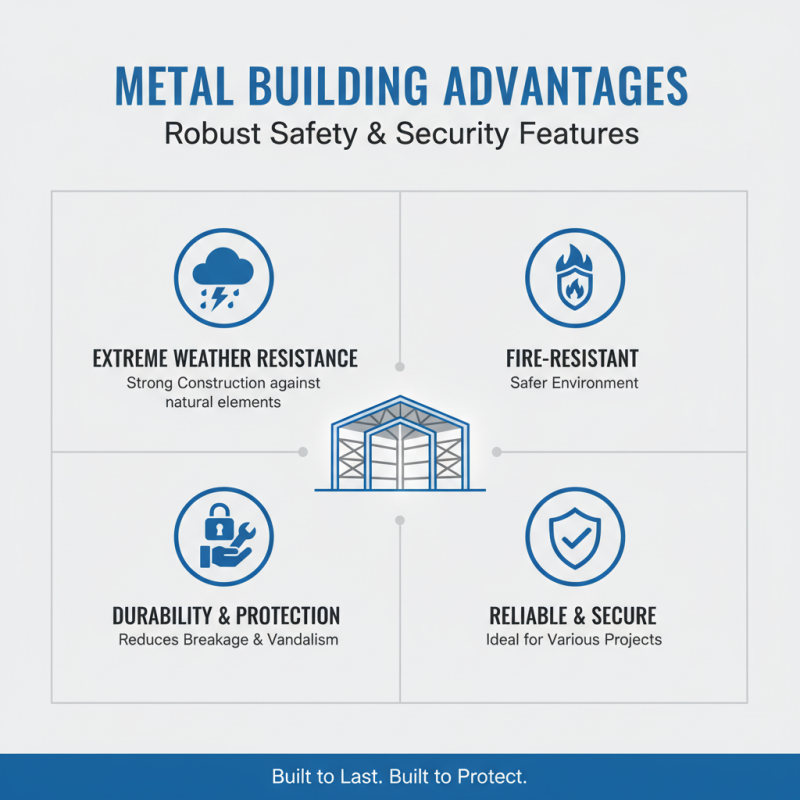
| Safety | Fire-resistant and can withstand severe weather events. | Industrial, Commercial |
| Security | Difficult to break in due to robust materials, enhancing security. | Retail, Warehousing |
| Insurance Benefits | Potentially lower insurance premiums due to durability and safety features. | Commercial, Industrial |
| Energy Efficiency | Can incorporate insulation and reflective materials to reduce energy costs. | Commercial, Residential |
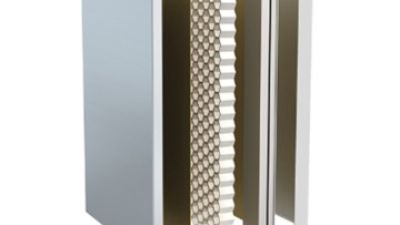
Metal honeycomb composite panels are increasingly becoming a favored choice in interior wall applications, owing to their innovative design and multitude of benefits. These panels, typically made from aluminum or steel, offer superior fire ratings classified as Class A according to GB8624-2012, ensuring safety in various settings. The versatility in design is evident as they can be customized with corrugated heights of 8.5mm to 28.5mm, meeting diverse aesthetic and structural needs in modern architecture.
One of the standout features of metal honeycomb composite panels is their resistance to deformation and impressive stiffness ratings. With a bending stiffness measured at 2.45x10⁹ N·mm², significantly surpassing the standard requirement of 1.0x10⁸ N·mm², these panels are engineered to maintain their shape and structural integrity under various loads. Furthermore, their shear stiffness of 4.91x10⁵ N exceeds the minimum standard, making them an excellent choice for environments where durability is paramount.
In addition to their robust mechanical properties and safety ratings, these panels offer an efficient solution for contemporary interior design. With maximum size specifications of W≤1500mm and L≤12000mm, they can accommodate large installations, making them ideal for commercial spaces while also enhancing the aesthetic appeal of any interior. The intrinsic properties of metal honeycomb composites pave the way for innovative design solutions, merging functionality with cutting-edge design.
: Metal buildings can reduce energy consumption by up to 30%. This leads to lower utility costs.
Proper insulation maintains consistent interior temperatures. It also adds safety and enhances sustainable energy use.
Evaluate costs against long-term savings. Quality insulation is crucial for maximizing energy efficiency.
Design flexibility allows for unique project customization. This can enhance aesthetics and meet specific needs.
Consider insulation properties, strength, and aesthetics. The right material impacts durability and visual appeal.
Check local codes and consult with contractors. Overlooking compliance can lead to costly adjustments.
Location and climate influence building performance. Tailoring your design to these factors is beneficial.
Energy efficiency professionals provide tailored advice. Their insights can help avoid mistakes in design and execution.
Don’t overlook functional aspects when customizing. Ensure a balance between creativity and practicality.
Actively seek contractor feedback. An open mind about changes can lead to better outcomes in your project.
Metal buildings have become increasingly popular across various industries due to their numerous advantages. One of the standout features of a metal building is its durability and longevity, making it a wise investment that withstands the test of time and harsh weather conditions. Additionally, these structures are cost-effective; they not only reduce initial construction costs but also lower maintenance expenses over time. Energy efficiency is another significant benefit, as metal buildings can promote sustainability through effective insulation and energy-saving designs.
The versatility of metal building design allows for extensive customization, catering to unique project needs. Furthermore, safety and security are greatly enhanced with metal construction, providing robust protection for assets and occupants alike. Lastly, the rapid construction timelines associated with metal structures enable quicker project completion, ensuring that businesses can move forward without unnecessary delays. Overall, the advantages of metal buildings make them an ideal choice for various projects, merging efficiency, safety, and longevity into one robust solution.