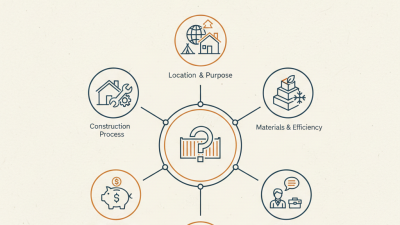
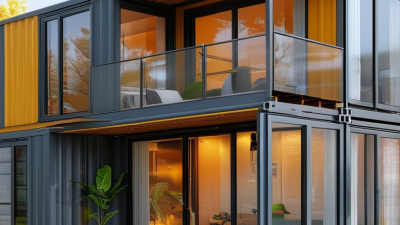
Have you seen those container homes lately? They’re really catching on as a pretty cool and eco-friendly way to build homes. I read somewhere that, by 2025, the global market for them could hit around $73 million — not too shabby! It’s no wonder, since more people are looking for sustainable options these days.
What’s really neat is how versatile container homes are. You can totally get creative with designs, whether you want a simple retreat hiding away in the woods or a bigger, more elaborate family home. Of course, it’s not all smooth sailing — some folks have run into challenges like insulation issues or zoning rules. So, it’s probably smart to do your homework and talk to local officials if you’re thinking about building one.
Experts often point out that container homes are a smart way to manage resources, thanks to how modular they are. They make it easier to use space and materials efficiently. But at the same time, it’s good to think about whether a container home really fits your long-term plans. Knowing the pros AND cons is key if you want this to be a solid investment — it’s all about weighing your options first!
Benefits of Container Homes: Sustainability and Affordability
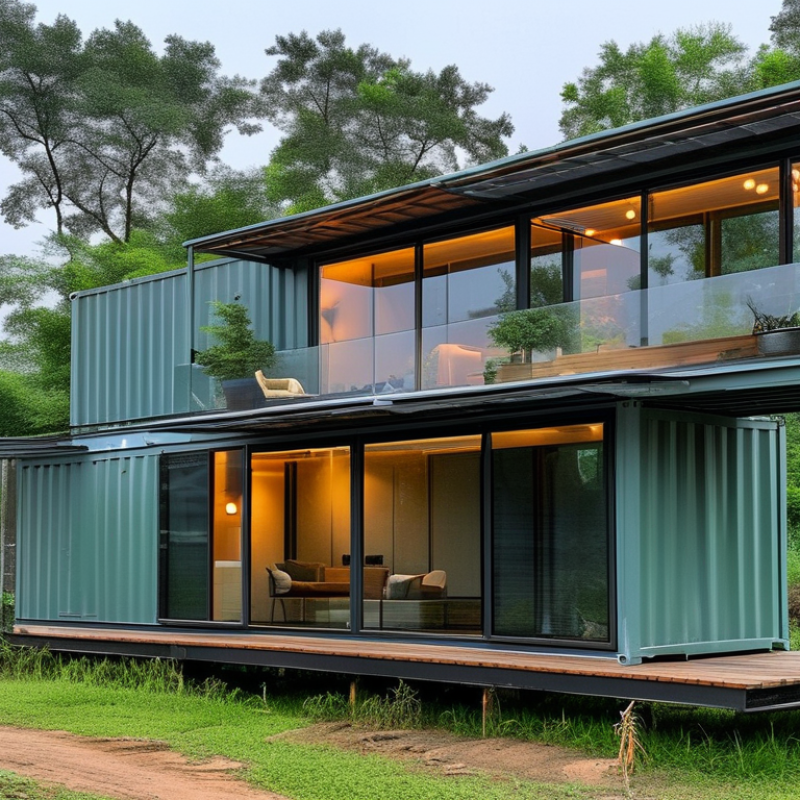
Container homes are gaining popularity for a variety of reasons. They are not only eco-friendly but also budget-friendly. More people are choosing this innovative housing solution as they prioritize sustainability and affordability. The use of recycled shipping containers minimizes waste in landfills and reduces the carbon footprint associated with traditional construction methods.
When considering a container home, it’s vital to factor in your climate. Insulation is essential for energy efficiency. Depending on your location, you may need proper heating or cooling solutions. Think about how weather might impact your design.
Budget is often a primary concern. While container homes can be cheaper initially, costs can rise with modifications. Keep a close eye on expenses as you factor in customization. Don’t overlook the importance of permits and legalities involved. Make sure to research local rules, as they can affect your project significantly.
Versatility of Container Homes for Various Projects
Container homes offer remarkable versatility for various projects. They can be transformed into cozy homes, modern offices, or innovative pop-up shops. According to a report by the Container Housing Association, the global Modular Container Homes market is expected to reach $73.4 billion by 2025. This reflects growing interest in sustainable living and quick construction.
Designing with container homes allows for customizable layouts. Each container can be modified to create open spaces or functional rooms. However, buyers should be mindful of insulation challenges. Proper treatment is necessary for different climates. It’s essential to balance aesthetics with functionality, as flashy designs might not always equate with comfort.
Tip: Choose modular container homes that suit your project’s specific needs. This ensures a smoother build process. Consider hiring professionals for complex conversions.
Flexible yet sturdy, container homes stand out in the construction industry. However, navigating zoning laws and building codes can be tricky. Some areas have strict regulations affecting container home installations. Always research local requirements before diving into your project.
Design Flexibility: Customizing Container Living Spaces
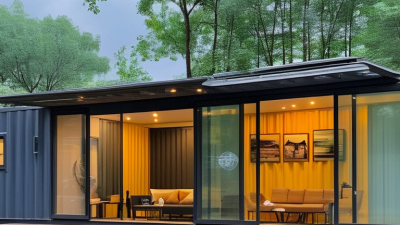
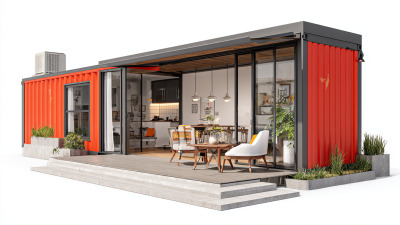
Container homes offer exceptional design flexibility, making them an attractive option for modern living. One of the key benefits is their ability to be customized to fit specific needs and styles. Owners can choose sizes, layouts, and finishes that suit their preferences. For example, you can combine multiple containers to create spacious interiors. This modular design allows for creative configurations that traditional homes cannot easily achieve.
Interior design choices can also reflect individual tastes. With container homes, the possibilities are nearly endless. You can transform a simple box into a cozy living space. Large windows can be added for natural light. Unique insulation materials might need to be considered for climate control. However, there can be challenges, such as ensuring structural integrity during renovations. It's essential to consult experts on these aspects to prevent future issues.
Moreover, sustainability is a vital part of container living. Reusing shipping containers reduces waste and promotes eco-friendliness. Yet, one must consider potential health hazards like rust and chemical residues. Proper inspections are crucial before occupancy. Designing with these factors in mind can lead to a beautiful, functional home while maintaining safety standards. Embracing the imperfections and continuously refining the space is what makes container living a true adventure in creating Modular Homes.
Construction Speed: Quick Setup of Container Homes
Container homes have gained popularity due to their quick setup. Unlike traditional construction, these homes can be assembled in a fraction of the time. This means you can move into your new space sooner. Imagine having a home ready within weeks instead of months. The modular nature of container homes allows for efficient design and assembly.
Construction speed is crucial for many projects, especially in emergencies or when time is tight. Using containers simplifies the building process. They come pre-fabricated and can be stacked or modified easily. However, it’s important to assess your site conditions carefully. Poor planning can lead to delays, even with fast construction methods.
A container home offers flexibility in design, but there are trade-offs. While they are faster to build, ensuring insulation and ventilation requires extra attention. Comfort can sometimes be compromised if not properly addressed. Balancing speed with quality is essential for a successful project. The rapid construction of container homes can be attractive, but thoughtful planning remains key.
Durability and Resilience: Why Containers Stand the Test of Time
Container homes are becoming popular for several reasons. Their durability and resilience are key features that attract many. Shipping containers were designed to withstand harsh conditions at sea. They resist corrosion and remain stable even in extreme weather. This quality makes them a suitable choice for various climates.
Prefab Modular Homes utilize these strong containers, promoting efficiency. Their structure can resist impacts better than traditional homes. Many builders find this appealing. However, settling can be a concern. Proper foundation work is essential to avoid future issues. While containers can offer significant durability, attention to detail is critical during the installation.
Insulation is another point to consider. Although containers are robust, they are not naturally energy efficient. Additional insulation and systems must be implemented. This can lead to higher initial costs. Yet, the long-term savings on energy bills can make it worthwhile. Overall, container homes present a unique blend of strength and adaptability for innovative living spaces.
Cost-Effective Solutions: Budgeting for Container Home Projects
Container homes are becoming a popular choice for various projects. They offer flexibility and sustainability, but their cost-effectiveness is a key consideration for many. When budgeting for container home projects, it’s vital to account for not just the purchase price but also additional expenses. These can include site preparation, insulation, and utility installation. Unexpected costs often arise, so having a buffer in your budget is a smart move.
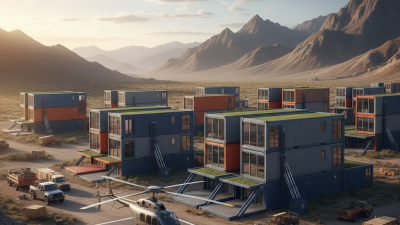
Investing in container homes can feel overwhelming at first. However, they provide an affordable solution for housing, especially in disaster relief scenarios. Container House Disaster Relief initiatives show how these structures can be deployed quickly and efficiently. While the upfront costs may seem low, maintenance and customization can add up. Ensuring your budget has room for upgrades or repairs is essential to the longevity of your project.
In this evolving market, prices for container homes vary greatly. It’s crucial to research and compare local prices. Not every deal will lead to savings. Understanding the full scope of your project can help avoid unwanted surprises. Investing time in planning your budget can pave the way for a successful container home venture.
Environmental Impact: Eco-Friendly Aspects of Container Homes
Container homes are gaining popularity due to their eco-friendly benefits. These homes recycle metal shipping containers, reducing waste and alleviating landfill concerns. By transforming discarded containers, we can reinvent urban spaces and minimize the need for traditional construction materials.
The insulation properties of container homes can improve energy efficiency. Properly designed, they can require less heating and cooling. This means a lower carbon footprint and reduced utility costs for their inhabitants. However, many overlook the importance of proper ventilation. Without it, indoor air quality can suffer.
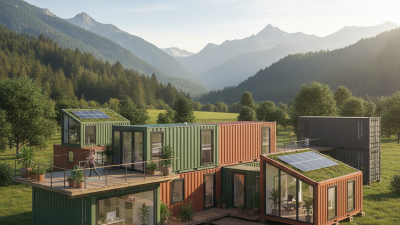
Moreover, using container homes can contribute to a sustainable lifestyle. Many owners use solar panels and rainwater harvesting systems to further their environmental impact. Yet, this transition isn't always seamless. Challenges such as insulation and space planning must be addressed to ensure comfort. Embracing container living means committing to continuous improvement and innovation in sustainable practices.
Revolutionizing Living Spaces: The Efficiency of Minimalist Folding Container Houses
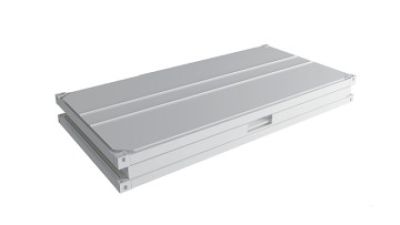
The efficiency of minimalist folding container houses is transforming the way we think about living spaces. These innovative structures maximize utility while minimizing excess, making them an ideal choice for those seeking sustainable and cost-effective housing solutions. With the rising demand for versatile living environments, these foldable constructions present a remarkable opportunity for urban dwellers and remote communities alike.
Manufactured with precision, the folding container houses offer an effective solution to space constraints without sacrificing comfort or functionality. This modular approach not only reduces construction time—typically around 20-25 days—but also allows for seamless relocation and expansion as needed. The flexibility in design and layout ensures that each unit can be tailored to meet individual needs, from compact studios to larger family units.
With favorable terms such as FOB, EXW, and CIF available for shipping from ports like Nansha and Huangpu, acquiring these structures is straightforward. A minimum order of 100 square meters ensures scalability for developers aiming to offer modern living solutions. Such efficiency and adaptability reflect a growing commitment to reimagining our living environments, aligning with contemporary preferences for simplicity and practicality.
FAQS
: Container homes are versatile. They can be cozy homes, offices, or pop-up shops.
Container homes can be set up much faster than traditional buildings. You might move in within weeks.
Yes, container homes allow for flexible layouts. You can modify both space and function.
Insulation challenges exist. Proper treatment for climate is necessary for comfort.
Yes, zoning laws and building codes vary by location. Always research local requirements before starting.
Absolutely. Poor planning can lead to delays. Assess site conditions before construction begins.
Quick setup might compromise comfort. Insulation and ventilation need extra attention for quality.
Flashy designs don't always guarantee comfort. Balance between style and functionality is important.
Thoughtful planning remains essential, even with rapid construction methods. Avoid rushing decisions.
Yes, hiring professionals can simplify complex modifications and enhance project outcomes.
Conclusion
Container Homes are an increasingly popular choice for a variety of projects due to their numerous benefits. These structures promote sustainability and affordability, making them an attractive option for environmentally conscious individuals and those looking to manage their budgets effectively. The versatility of Container Homes allows for creative designs tailored to various needs, while their construction speed ensures quick setup without compromising quality.
Moreover, Container Homes boast remarkable durability and resilience, standing the test of time against harsh weather conditions. Their customizable nature enhances design flexibility, enabling homeowners to create unique living spaces that reflect their personal style. With a reduced environmental impact, Container Homes not only offer practical solutions but also align with eco-friendly living ideals. Overall, these homes represent a cost-effective and sustainable alternative for modern living.