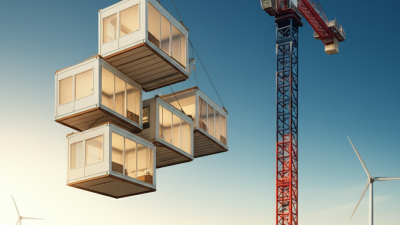
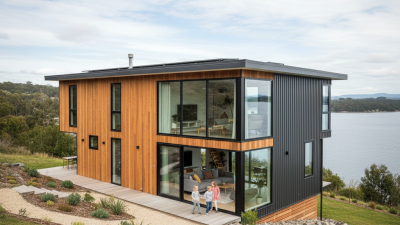
Looking into Prefab Modular Homes? They’re actually a pretty modern way to handle housing. Lots of folks are drawn to how sleek and efficient these homes are. Basically, they’re built off-site, then assembled pretty quickly once they arrive—saving time and cutting down on on-site mess and waste. Plus, there’s a decent range of design options, so you can personalize them to match your style.
That said, there are a few things you should keep in mind. For starters, the land costs and local building rules can really add to the overall price. Even if the upfront cost seems like a bargain, don’t forget future maintenance might pile up down the road. And, of course, not all manufacturers are created equal—some might skimp on quality, so it’s super important to do your homework and pick a reputable company.
All in all, prefab modular homes definitely have their ups and downs. They might not be perfect if you’re after something specific or if your budget’s tight. So, take your time, do your research, and weigh the pros and cons before making a decision—that way, you’ll know you’re making the right call for you.
Benefits of Prefab Modular Homes
Prefab Modular Homes offer several compelling benefits that make them an attractive option for many buyers. One of the most notable advantages is their speed of construction. Unlike traditional homes, which can take months or even years to build, modular homes can often be assembled in a matter of weeks. This rapid turnaround can save not only time but also money. You can move into your new home sooner than you might expect.
Another significant benefit is their energy efficiency. Modular homes are often built with energy-efficient materials and methods. This can lead to lower utility bills over time. Enhanced insulation helps maintain comfortable indoor temperatures, resulting in a cozy living environment. However, it’s worth considering that not all modular homes are created equal. Some may have less effective energy solutions, requiring homeowners to do further research.
Affordability is another critical factor. Modular homes typically cost less per square foot than traditional homes. It’s important to note that while the initial price may be lower, customizations and upgrades can add to the total cost. Buyers should carefully assess their needs and budget to avoid financial strain later. These modular homes can transform your living experience, but thoughtful consideration is essential for a successful investment.
What are Prefab Modular Homes Benefits and Costs? - Benefits of Prefab Modular Homes
| Benefit |
Description |
Approximate Cost ($) |
| Cost Efficiency |
Lower overall costs due to streamlined production processes. |
100,000 - 200,000 |
| Faster Construction |
Reduced build time compared to traditional homes, often completed in weeks. |
N/A |
| Sustainability |
Often built from sustainable materials and with energy-efficient designs. |
Varies |
| Design Flexibility |
Wide range of customizable designs to meet various needs and preferences. |
Varies |
| Quality Control |
Built in controlled environments, improving quality and durability. |
N/A |
| Reduced Waste |
Efficient use of materials minimizes waste during construction. |
N/A |
Cost Comparison: Prefab Modular Homes vs. Traditional Homes
When considering housing options, cost is a significant factor. Prefab modular homes often come in lower than traditional homes. A basic modular home can start around $100 per square foot, while traditional houses can exceed $200. This considerable difference appeals to budget-conscious buyers. Moreover, the speed of construction can lead to additional savings. A modular container home can be assembled in weeks rather than months.
Quality is another point of comparison. Prefab homes are built in controlled environments, ensuring consistent quality. Yet, not all prefab homes are equal. Some may lack quality finishes that are commonplace in stick-built homes. Check the specifications before committing.
Tip: Always compare different designs and material options. Research local regulations, too. Sometimes, costs can arise from necessary permits. Inspecting models in person can also help identify quality concerns early on. Ultimately, weigh short-term savings against long-term satisfaction when choosing between Modular Container Homes and traditional options.
Construction Time Efficiency in Modular Home Building
Prefab modular homes are revolutionizing the construction industry. One of the standout benefits is their efficient construction time. Unlike traditional homes, which can take months or even years to complete, modular homes are built in weeks. Factory construction allows for simultaneous processes, reducing delays caused by weather or other external factors. This efficiency not only saves time but also lowers labor costs.
Tips: When considering modular homes, check the reputation of the manufacturer. Quality varies, and a reputable builder can make a significant difference in the final product.
Prefab homes also offer less waste compared to traditional builds. Materials are used more effectively in a controlled factory setting. This approach minimizes leftover resources and contributes to sustainable building practices. However, potential buyers should be aware of zoning restrictions and land preparation needs that might extend the timeline.
Tips: Always consult local regulations before making plans for a modular home. Understanding these factors can prevent costly delays later on.
While the advantages are clear, there can be hiccups in the design phase. Customizing a modular home often requires careful planning to align factory capabilities with personal preferences. In some cases, flexibility may be limited, leading to compromises on design.
Sustainability and Eco-Friendly Features of Prefab Homes
Prefab modular homes are gaining popularity for their sustainability and eco-friendly features. These homes are built in sections, or modules, in a factory setting. This process reduces waste significantly compared to traditional building methods. Off-site construction allows for better resource management and lower emissions during the building phase.
Using sustainable materials is a key aspect of prefab homes. Many manufacturers focus on using recycled or renewable resources in their designs. Energy-efficient windows and insulation also contribute to reduced energy consumption. Homeowners can often save on utility bills, which adds to the cost benefits over time. However, the upfront costs can sometimes be higher than traditional homes.
Despite their advantages, not all prefab homes meet eco-friendly standards. Some options may still use materials that are harmful to the environment. It's important for buyers to research their choices carefully. Many manufacturers are committed to sustainability, but there are always exceptions. A thoughtful approach ensures that the dream of an eco-friendly home becomes a reality.
Benefits and Costs of Prefab Modular Homes
This chart illustrates the benefits and cost-related features of prefab modular homes, highlighting key areas such as cost savings, construction time, sustainability, energy efficiency, and customization options. Each benefit is rated on a scale from 1 to 10, illustrating the strengths of prefab modular homes.
Customization Options Available in Prefab Modular Homes
Prefab modular homes offer exciting customization options that appeal to many homebuyers. These homes allow for design flexibility in layouts and finishes. Homeowners can choose from various styles, materials, and colors. This flexibility enables them to create spaces that reflect their tastes and lifestyles. For those looking for unique living solutions,
Container Homes are an innovative choice. These structures can be modified to fit diverse needs, from single-family homes to multi-unit spaces.
The customization process can also include eco-friendly features. Homeowners can opt for energy-efficient windows, solar panels, and sustainable materials. However, it is essential to note that extensive customization may lead to increased costs. Balancing budget and design is crucial. A clear understanding of the desired features can prevent overspending.
While prefab modular homes enhance design flexibility, they may pose challenges in construction timelines. Sometimes, delays occur due to supply chain issues. Proper planning and communication with builders are vital to minimize these risks. Embracing the design process means navigating these complexities with an open mind. Overall, exploring customization in prefab modular homes ensures personalized living experiences tailored to individual preferences.
Financing and Investment Considerations for Modular Homes
Financing modular homes often presents unique challenges. Most buyers use traditional mortgages, but lenders may require a larger down payment. Reports indicate that buyers can face costs up to 20% higher compared to conventional homes due to specific lender requirements. This can lead to delayed approvals and higher interest rates, which discourage potential homeowners.
Moreover, property appraisal for modular homes can be tricky. Many appraisers still have limited knowledge about modular constructions. This may undervalue the property, affecting loan amounts. As a result, buyers might need extra cash at closing to cover the difference. It's crucial for potential buyers to factor in these considerations when planning their investment.
Investors looking into modular homes should also be cautious. While they offer quicker build times and lower labor costs, the resale market can vary widely. Some areas may favor traditional builds. A study from HousingReports showed that modular homes can appreciate 10-15% less than stick-built homes in certain markets. It is essential to evaluate local trends and potential challenges before investing.
Common Misconceptions About Prefab Modular Home Living
Many people hold misconceptions about prefab modular homes. One common belief is that they lack individuality. In reality, these homes can be customized significantly. Homeowners can choose layouts, materials, and finishes that reflect their personal style. Prefab doesn’t mean cookie-cutter. It offers diverse options.
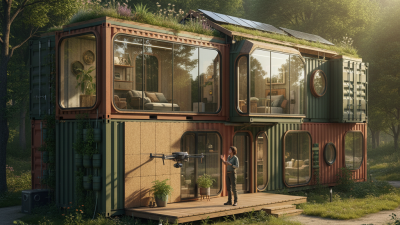
Another misconception is the fear of poor quality. Some assume that prefab homes are built with inferior materials. In truth, many manufacturers adhere to strict building codes and quality standards. This results in durable and resilient structures. For instance, Container House Prefab Kits are built to withstand various environmental challenges.
Living in a prefab home also raises concerns about resale value. Some people think these homes depreciate faster than traditional houses. However, with the right maintenance and location, prefab homes can hold their value well. Understanding these realities helps potential buyers make informed decisions. Consider visiting several homes to see their quality and versatility firsthand. This can help clarify what prefab living really offers.
FAQS
: Prefab modular homes often start around $100 per square foot. Traditional homes can exceed $200 per square foot.
A modular container home can be assembled in weeks. Traditional homes may take several months.
Yes, prefab homes are built in controlled environments. However, quality can vary, so check specifications.
Inspect models in person. Compare designs and materials before making a decision.
Yes, they often feature energy-efficient windows and insulation. This can lead to long-term savings on utility costs.
No, not all prefab homes meet eco-friendly standards. Research manufacturers and materials carefully to ensure sustainability.
Yes, local regulations may require permits, which can add unexpected costs. Always check beforehand.
Many prefab homes utilize recycled or renewable materials. This choice supports sustainability but varies by manufacturer.
Consider both upfront costs and long-term benefits. Not all options are eco-friendly, so do your homework.
Some prefab homes may lack features found in traditional houses. Reflect on what is most important for your needs.
Conclusion
Prefab Modular Homes offer a variety of benefits, including cost savings, construction time efficiency, and eco-friendly features. These homes can often be built more quickly than traditional homes, allowing for a faster transition to ownership. Additionally, many modular homes come with customizable options, enabling homeowners to personalize their living spaces to meet specific needs and preferences.
Cost comparisons frequently show that Prefab Modular Homes can be more affordable than their traditional counterparts, making them an attractive option for potential buyers. However, it's essential to consider financing and investment aspects when exploring these homes. Despite some common misconceptions about prefab living, such as reduced quality or limited design, advancements in technology have propelled these homes to be both stylish and sustainable, appealing to a broad audience looking for modern housing solutions.