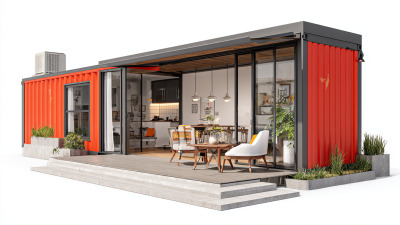
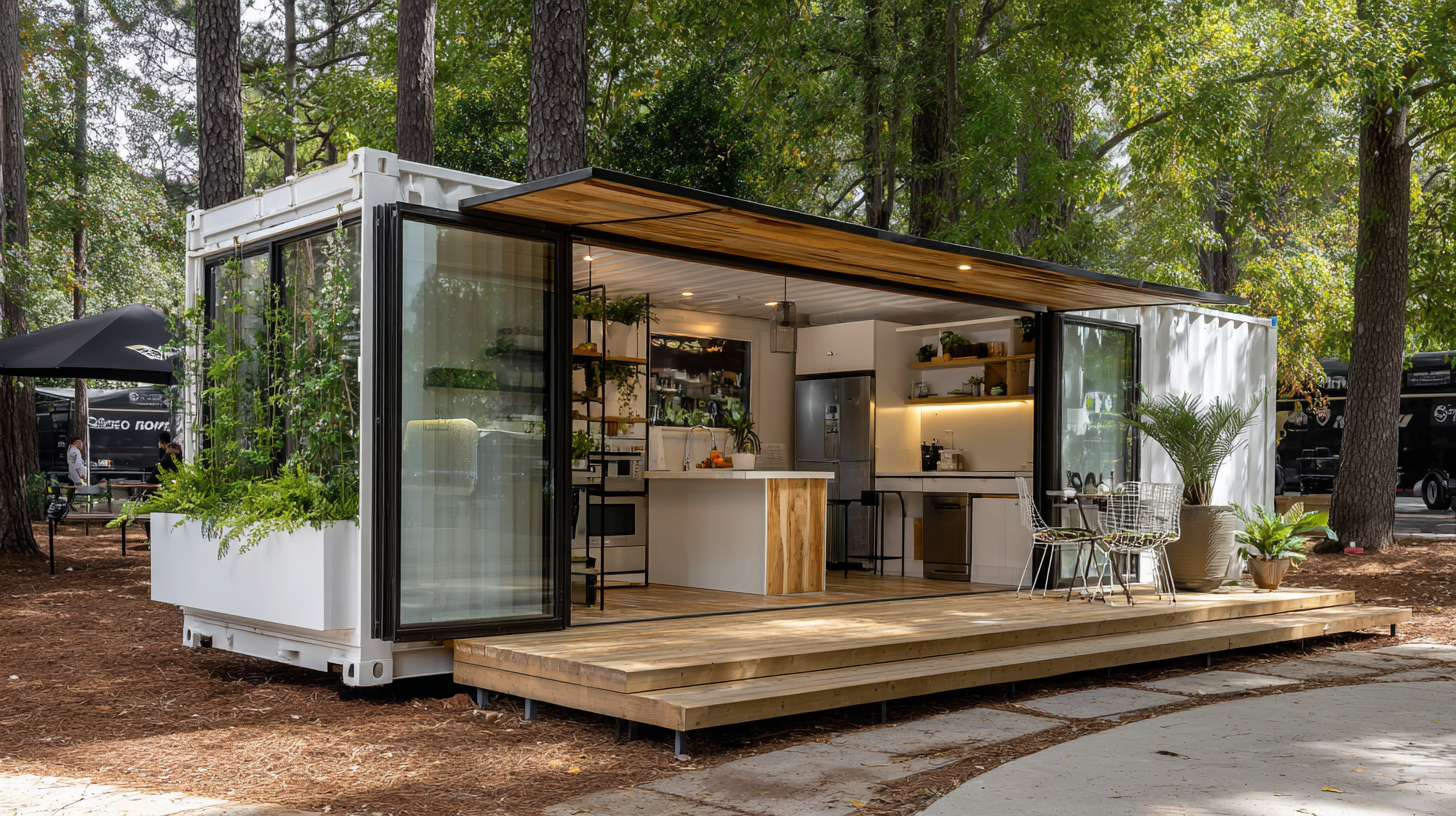
Lately, the idea of living in a more sustainable and flexible way really seems to be catching on. That’s kind of how the Foldable Container House became a thing. These clever little structures actually offer a pretty cool solution to today’s housing challenges—think portability, affordability, and efficiency all rolled into one. A company like Guangdong Vicdowex Modular Housing Technology really leads the charge here, focusing on standardization, modular design, and versatility to provide solid temporary housing options. What’s awesome about the Foldable Container House is that it makes the most of limited urban space and encourages eco-friendly living—plus, you can customize and reconfigure these homes to suit your needs. In this article, I’ll go through some of the biggest perks of living in a Foldable Container House and how they really match up with what people are looking for these days. Plus, we’ll take a look at Vicdowex’s dedication to pushing the envelope when it comes to innovation and quality in the modular housing space.
Benefits of Space Efficiency in Foldable Container Homes
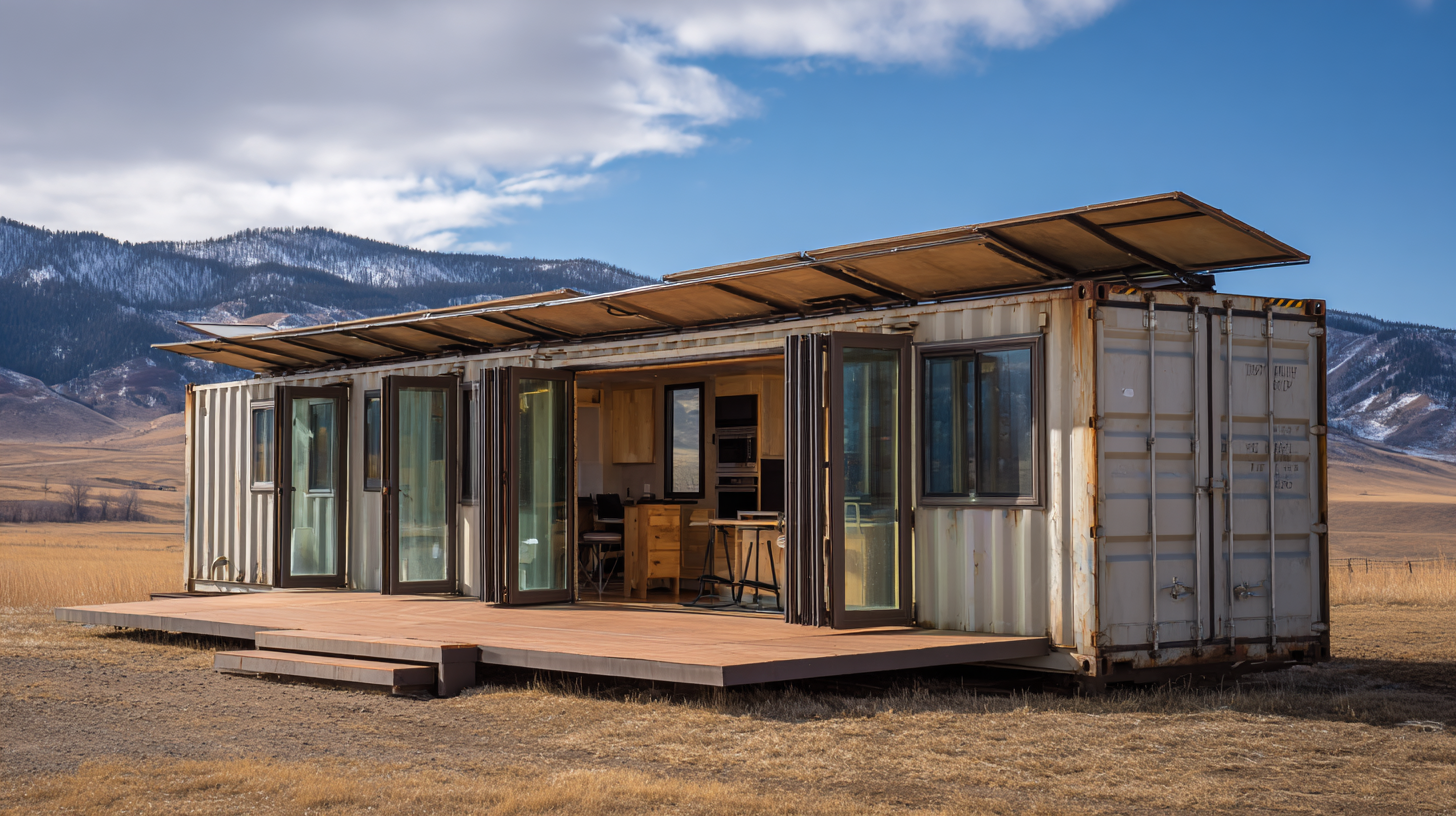
Foldable container homes are honestly a game-changer when it comes to modern living. I mean, they’re so space-efficient — way more than your typical house, which usually needs tons of land and resources. These clever designs pack a lot of usable space into a tiny footprint. Plus, since they’re modular, you can really customize the layout to fit your lifestyle without compromising on comfort. It's like building your perfect little space, step by step.
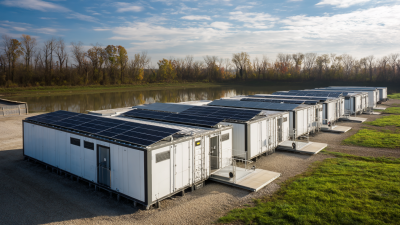
What’s also pretty awesome is that because they’re so compact, these homes are pretty eco-friendly. Less land means less environmental impact, and it becomes easier to add green features like rainwater harvesting or solar panels. And the best part? They’re super portable! You can set them up just about anywhere — whether it’s in a busy city or a remote, off-the-grid area. It’s all about embracing a simple, minimalistic lifestyle while staying connected to your surroundings. Honestly, when you think about it, foldable container homes tick a lot of boxes — practicality, sustainability, and flexibility — making them a pretty appealing choice if you're into efficient and eco-conscious living.
Advantages of Living in a Foldable Container House
Cost-Effective Living: Financial Advantages of Container Housing
So, have you noticed how much more people are talking about the perks of living in foldable container houses lately? It’s pretty interesting—by 2023, the global market for these container homes hit a whopping $61.83 billion, and experts are saying it’ll grow even more, reaching around $108.70 billion by 2028. A big reason? Folks are really craving affordable, sustainable housing options that don’t break the bank. Plus, by reusing shipping containers, developers can cut down on material costs and speed up construction, which means better returns on their investments.
What’s cool is that container homes aren’t just budget-friendly—they’re also eco-conscious. They’re a stylish and practical alternative to traditional houses, and you’ll find them in all shapes and sizes—from tiny homes to larger multi-storey buildings. Especially with housing shortages getting worse in many spots, these types of homes are offering a smart, sustainable solution. They’re a perfect blend of affordability and eco-friendliness, making them a pretty appealing option for city dwellers and suburban folks alike who are looking for something sustainable but still cozy and functional.
Sustainability and Environmental Impact of Foldable Homes
Living in a foldable container home is pretty awesome when it comes to sustainability stuff — it can really help cut down your environmental footprint. I was reading this report from the American Institute of Architects, and it said that traditional houses usually produce around 8,000 kilograms of CO2 emissions just to get built. But with foldable container homes, you’re often using recycled materials, and the whole manufacturing process doesn’t hit you with as much energy use. Plus, since these homes can be moved around and repurposed easily, they’re great for avoiding land disruption and stopping habitat destruction. It’s like tech that’s good for the planet and flexible too!
And when we talk about staying eco-friendly, energy efficiency is a big deal—buildings are responsible for roughly 36% of global energy consumption and a huge chunk of greenhouse gases, according to the International Energy Agency. But the good news? You can design your foldable container home with solar panels, green roofs, or better insulation—stuff that can really slash your energy bills and consumption.
A couple of tips if you’re thinking about getting one: look for options that use sustainable materials like reclaimed wood or bamboo. Also, it’s worth chatting with local builders who know their way around eco-friendly construction. That way, your new home will be as green as it can get!
Design Flexibility: Customizing Your Container Living Space
Living in a foldable container house gives you some serious flexibility when it comes to design. It’s pretty cool because you can personalize your space in ways that traditional homes just can’t match. There are lots of different sizes and setups you can choose from, so you can easily tweak the layout to fit your lifestyle. Want an open, airy feel? Go for a design with a big, open-plan space. Prefer something more cozy with separate rooms? No problem — the options are practically endless. You can add large windows to soak up natural light or include partition walls to carve out different zones for work, chilling out, or throwing parties.
Quick tip: When you’re customizing, think about multifunctional furniture like sofa beds or fold-away tables — they make the most of your space and keep things versatile. Also, using eco-friendly materials for decor is a smart move, not just for the planet but for making your home feel more personal and unique.
And it’s not just the inside — the outside of your container home can be just as customizable. You might pick different finishes, colors, or materials that fit your style. Whether you’re going for sleek and modern or cozy and rustic, the design options really are endless. Plus, adding a nice outdoor deck or some landscaped garden can really turn your space into a seamless indoor-outdoor retreat.
Another tip: When planning your outdoor areas, go for durable, weather-resistant stuff that looks good and lasts long. And if you really want to add a touch of nature, vertical gardens or green roofs are awesome ideas — plus, they help with insulation, too.
Mobility and Portability: Advantages of Living in a Foldable Home
Living in a foldable container house really offers a lot of freedom and ease when it comes to mobility. If you’re someone who loves having the flexibility to move around, this kind of setup is actually pretty tempting. I read somewhere—yeah, a report from the International Energy Agency—that more folks are now on the lookout for alternative housing options. And apparently, mobile homes are gaining popularity because they’re eco-friendly and cut down on environmental impact. Plus, these homes are super easy to move, so if you’re someone who likes to travel a lot or maybe just shifts around frequently, it’s a huge perk.
What’s cool is that these foldable container homes aren’t just about being portable—they can also save you a decent chunk of money. A study by the National Association of Home Builders mentioned that portable homes can slash construction costs by up to 30%. That basically means lower buying and moving costs in the long run. And, they’re pretty versatile too—they work just as well in city centers as they do out in the sticks. It’s all part of this bigger trend towards minimalism and being kinder to the planet. Honestly, foldable container houses are turning out to be a pretty smart, modern way to live—flexible, affordable, and eco-conscious, all rolled into one.
Exploring the Advantages of Living in a Foldable Container House
| Feature |
Description |
Benefit |
| Mobility |
Easily transportable to different locations |
Ideal for changing environments or remote work |
| Cost-Effective |
Lower construction and maintenance costs compared to traditional homes |
Affordability for a broader range of people |
| Sustainability |
Often made from recycled materials |
Environmental benefits and reduced waste |
| Customization |
Flexible designs that can be tailored to personal preferences |
Personalized living spaces that reflect individual style |
| Quick Setup |
Rapid construction time compared to traditional homes |
Minimized disruption and faster occupancy |
Community and Lifestyle: Embracing a New Way of Living
As cities keep growing, more and more folks are starting to warm up to creative housing ideas like foldable container homes. Honestly, it’s a pretty cool take on living that not only looks interesting architecturally but also kind of brings neighbors together. According to a report from the International Organization for Migration, urban areas are expected to go from about 55% in 2018 to roughly 68% by 2050 — which just means we’ll need flexible, adaptable housing options to handle all these changing demographics.
Living in a foldable container house isn’t just about the dirt-cheap price or quirky design; it actually encourages a sense of community. These homes are often set up in clusters, making it easier for people to connect and hang out. The Urban Land Institute even found that about 67% of millennials really care about being part of a community — so building container neighborhoods could totally appeal to that crowd, who are all about shared experiences and making friends nearby. With common spaces for gatherings and activities, residents can actually enjoy a lifestyle where building relationships and collaborating becomes part of everyday life — kinda reshaping what neighborhood life really means.
And on top of all that, container homes are pretty budget-friendly, making them a real option for a lot of different folks. A study by the National Association of Home Builders shows that nearly half of first-time buyers are on the hunt for affordable housing options. So, these foldable houses hit all the right notes, blending modern style, eco-friendly living, and affordability. All in all, they’re transforming neighborhoods into lively, vibrant communities where people and families can genuinely thrive together.
FAQS
: Container houses offer significant cost savings through reduced materials costs and quicker construction timelines, resulting in higher return on investment (ROI).
Valued at USD 61.83 billion in 2023, the global container homes market is projected to grow to USD 108.70 billion by 2028, driven by demand for sustainable housing solutions.
Container homes utilize recycled shipping containers, providing a sustainable alternative to traditional housing and reducing environmental impact.
As housing crises escalate in many regions, container housing offers a practical and affordable solution that merges sustainability with effective living arrangements.
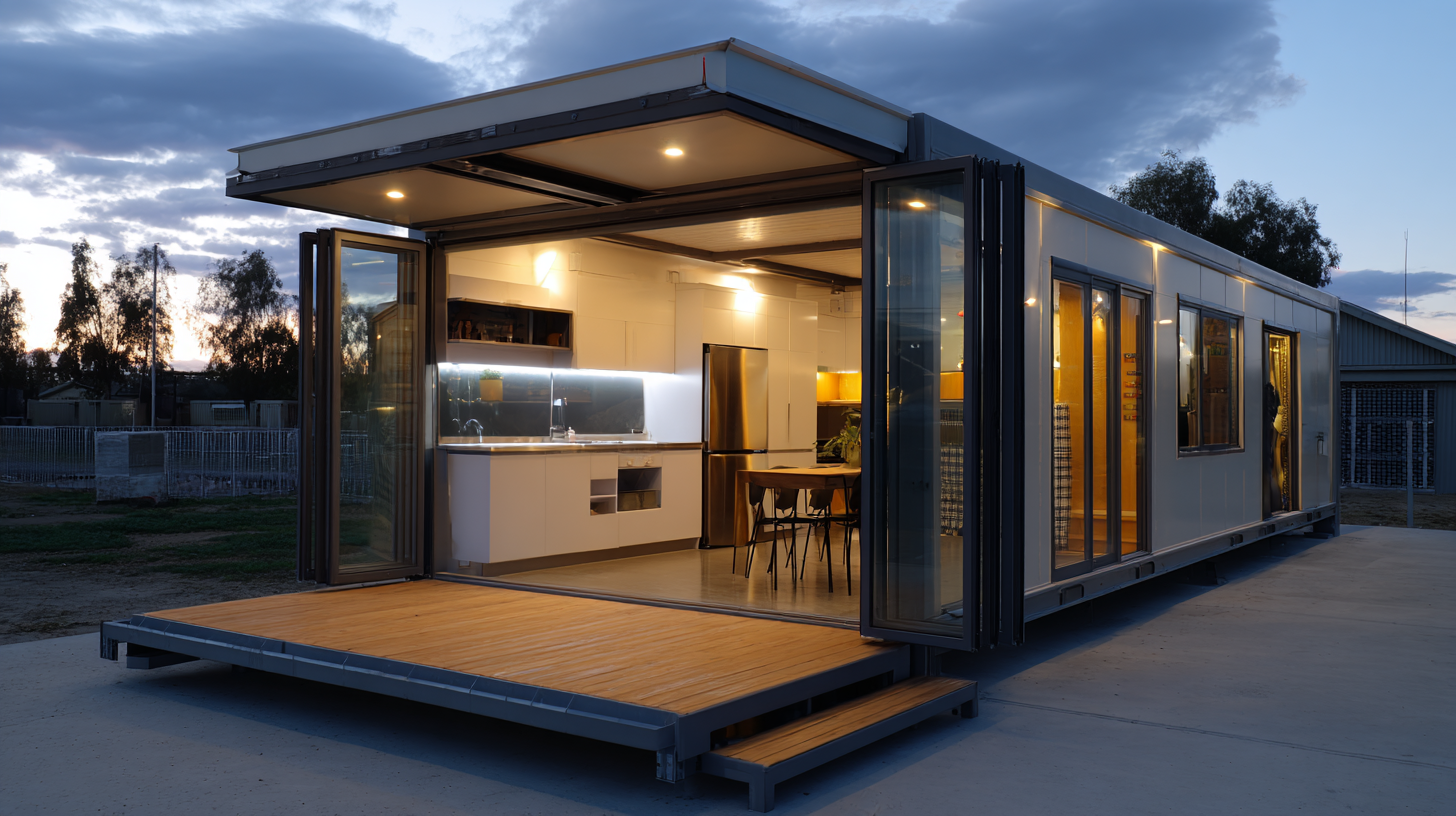
Foldable container houses offer remarkable mobility, allowing residents to relocate easily without extensive logistics, which is ideal for those with transient lifestyles.
Portable homes can reduce construction costs by up to 30%, resulting in lower acquisition and relocation expenses.
Foldable container houses can adapt well to various environments, including urban settings and remote areas, promoting flexibility in living arrangements.
Container houses align with the increasing trend toward minimalism and environmental consciousness, appealing to those seeking both cost-effective and sustainable living options.
Container homes can serve a variety of living arrangements, from tiny homes to multi-storey buildings, enhancing both aesthetics and utility.
A report by the International Energy Agency points out the surging demand for alternative housing solutions, emphasizing the sustainability of mobile homes.
Conclusion
Foldable Container Houses come with a bunch of perks that make them pretty attractive for modern living. For starters, they’re super space-efficient, helping folks make the most out of their living areas while also keeping an eye on the environment. Plus, they’re way more affordable compared to traditional homes—without sacrificing quality —which is pretty awesome if you're on a budget. And let’s not forget the eco-friendly angle; because these homes are designed to cut down on waste and promote sustainable living, they really tick that box too.
What’s really cool is how flexible the design is. You can customize these homes to suit your personal style and needs, making the space truly your own. Also, since they’re portable and easy to move around, they open up all kinds of possibilities for a lifestyle that’s more adaptable and spontaneous. This could even change how communities are built and how we interact with the spaces around us. As a leader in modular housing solutions, Guangdong Vicdowex Modular Housing Technology Co., Ltd. is really pushing the boundaries here, rethinking what housing can be and how we live together in communities.