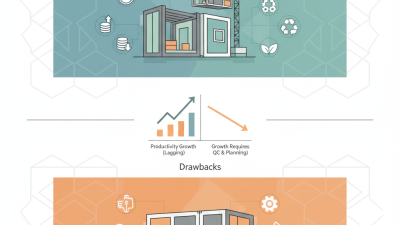
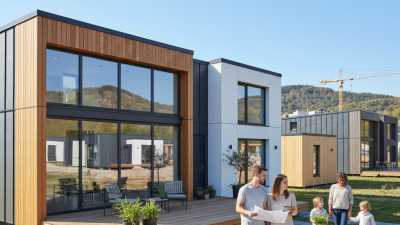
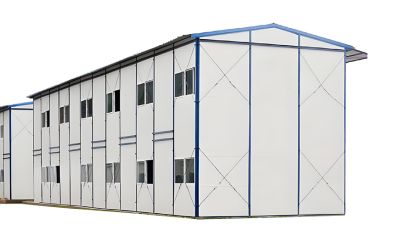
Lately, prefab construction has really been making waves in the building world. It’s all about being efficient, saving some cash, and being kinder to the environment. Companies like Factory_OS are leading the charge with some pretty innovative ideas, and honestly, it’s changing the way we think about building homes. As we look toward 2026, it’s pretty important for buyers to get a grip on the latest trends in prefab.
You know, what’s interesting is how these trends seem to reflect what people actually want — more energy-efficient homes and a bigger focus on sustainability. Lots of prefab options now include eco-friendly materials, which is great news for the planet. But, honestly, it raises some questions about how durable these structures will be over the long run. So, folks really need to weigh these choices carefully.
And then there’s the whole smart tech buzz happening in prefab homes. More and more, homes are coming with smart features that make life easier, more comfortable, and safer. The downside? Relying on technology can be a bit of a gamble — will these systems keep working well over time? As we move forward with prefab construction, it’s all about finding that sweet spot between cool new tech and practical, reliable design.
Emerging Materials in Prefab Construction for 2026
Emerging materials are reshaping
prefab construction for 2026. These materials not only improve
efficiency but also enhance sustainability.
One notable trend is the use of recycled materials. For instance, using
recycled steel and plastics reduces waste and lowers carbon footprints.
Another development involves advanced composites.
These materials offer strength and flexibility. They are lightweight, making transportation easier.
This can potentially lead to reduced costs in logistics and labor.
Moreover, bio-based materials, drawn from renewable sources, will gain traction. They promise lower environmental impacts
and are appealing to eco-conscious buyers.
However, challenges remain. Not all new materials have extensive testing or proven longevity. Builders must balance innovation with reliability.
The industry must also ensure that these materials meet building codes and standards. As prefab construction evolves,
staying informed is vital for making sound decisions.
Sustainable Practices Driving Prefab Construction Trends
Sustainable practices are reshaping the prefab construction industry. According to a report by McKinsey & Company, sustainable buildings can save up to 30% on energy costs. This statistic drives the adoption of eco-friendly materials. Many companies are now focusing on reducing waste and carbon footprints. Prefab methods allow for efficient resource use, often leading to a lower environmental impact.
The rise of Container House Prefab Kits showcases this shift. These kits use repurposed shipping containers, which reduces material waste significantly. Research by the World Green Building Council states that using recycled materials can lower carbon emissions by 20-50%. This approach appeals to buyers seeking sustainable options. Even in the face of challenges, the trend is gaining momentum.
As demand for sustainable options grows, the prefab industry must adapt. The market is moving towards energy-efficient designs and smart technologies. This transformation is complicated; developers need to balance cost, speed, and sustainability. Ongoing innovation will play a crucial role in this evolving landscape.
Technological Innovations Shaping Prefab Building Processes
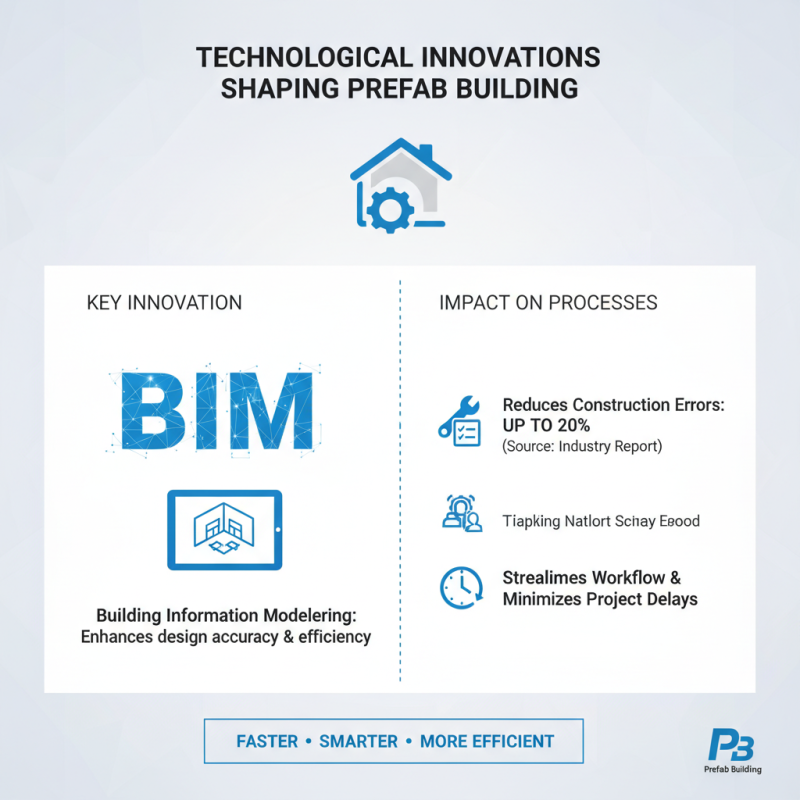
The prefab construction industry is witnessing significant technological advancements that redefine building practices. Innovations such as Building Information Modeling (BIM) are enhancing design accuracy and efficiency. According to a recent industry report, BIM adoption can reduce construction errors by up to 20%. This not only streamlines the workflow but also minimizes project delays.
Additionally, the rise of modular construction is reshaping project timelines. Prefabricated components are manufactured off-site, cutting down on labor costs and construction time. A study by the Modular Building Institute found that modular projects can be completed 30% faster than traditional methods. This speed is crucial in a fast-paced market where time is money.
However, challenges remain. The integration of new technologies requires substantial training for workers. Many companies struggle with the initial costs of advanced tools. As the industry continues to evolve, balancing innovation with practical implementation will be key. The ongoing exploration of tech-driven solutions reflects a commitment to improving efficiency and sustainability in construction processes.
Consumer Preferences Influencing Prefab Design Trends
As consumer awareness grows, preferences significantly shape the prefab construction landscape. Current surveys indicate that over 72% of homebuyers prioritize sustainability in their housing choices. This shift is steering manufacturers towards eco-friendly materials and energy-efficient designs in Prefab Houses. With a rising demand for green living, the use of recycled materials and solar installations in prefab constructions is on the rise.
In addition to sustainability, personalization is increasingly crucial. Data reveals that 65% of buyers express a desire for customizable layouts and finishes. Flexible interior designs allow homeowners to adapt spaces to their lifestyles. Availability of smart home technology is another influential factor. A recent report noted that 55% of consumers seek advanced technology features in their prefab houses. Yet, not all companies are keeping pace with these demands, which may lead to missed opportunities.
While innovation in prefab construction is commendable, some gaps remain. For instance, challenges in scaling production to meet personalized demands can slow down delivery times. Buyers are encouraged to weigh their options carefully. Ultimately, evolving consumer preferences continue to drive trends, placing them at the forefront of prefab design discussions.
Regulatory Changes Impacting Prefab Construction Industry
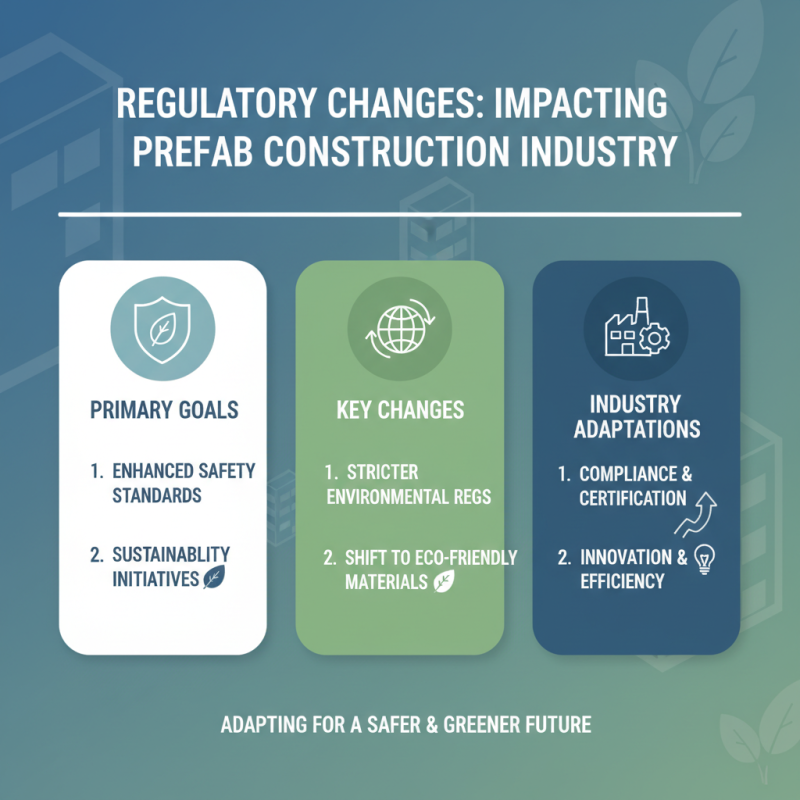
Regulatory changes have reshaped the prefab construction landscape significantly. These changes often aim to improve safety and sustainability in building practices. In many regions, stricter environmental regulations are enforcing a shift towards more sustainable materials in prefab construction. Builders must adapt to these demands, ensuring compliance while maintaining efficiency.
In addition, zoning laws are becoming more flexible to accommodate prefab structures. This is creating new opportunities, but also challenges. Builders are navigating a patchwork of regulations that vary widely by location. Understanding local codes can be daunting and requires diligence. Some may find these rules limiting, leading to delays in project timelines and increased costs.
Furthermore, safety regulations are also evolving. Prefab construction must comply with updated safety standards. This can necessitate additional training for workers and more thorough project evaluations. Adapting to these requirements can be an uphill battle for many companies. However, those who successfully align with these regulations may find a competitive edge in the market. This ongoing evolution demands constant reflection and adaptation.
Cost Efficiency and Budgeting in Prefab Projects
Cost efficiency is critical in prefab construction projects. Budgeting effectively ensures that your goals align with your financial capabilities. Understanding the overall expenses involved will make a significant difference. From materials to labor, every detail matters in achieving cost efficiency.
When planning yourPrefab Modular Homes project, consider these tips. First, research costs thoroughly. Get quotes from various suppliers and contractors. Compare prices and find the best deals without compromising quality. Next, factor in potential hidden costs. Things like permits and site preparation can accumulate. Budgeting for these can prevent surprises down the line.
Also, communicate clearly with your team. Frequent updates and discussions can help identify areas where costs can be minimized. It’s essential to be realistic about what you can afford. Sometimes, overspending on certain elements can lead to regrets. Keeping a sharp eye on every phase of the project fosters accountability and enhances cost efficiency.
2026 Prefab Construction Trends: Cost Efficiency and Budgeting
The Future of Modular Housing: Urbanization and Affordability
Urbanization is rapidly changing the landscape of housing. By 2026, nearly 68% of the global population will live in urban areas. This shift demands affordable housing solutions. Modular housing, particularly the Prefab Container House, emerges as a practical response to this challenge. Reports show that prefabricated structures can reduce construction time by up to 50%, significantly addressing housing shortages.
Affordability remains a critical factor. According to a recent study, average home prices have surged by 30% in urban centers over the past decade. Prefab buildings offer an attractive alternative. They utilize recycled materials, which can reduce costs. Additionally, stakeholders can often customize designs, enhancing the appeal of these homes. However, the perception of quality versus cost needs careful evaluation. Some buyers remain skeptical about the longevity and durability of prefab constructions.
Accessibility is paramount. The trend toward modular housing highlights a growing concern about inclusivity in urban planning. Communities face challenges in ensuring that all residents have access to housing. Developing adroit policies and support systems is essential. By fostering awareness about the benefits of Prefab Container Houses, urban planners can help bridge gaps in affordable housing availability. It is a complex balance of cost, quality, and urban integration that requires continuous assessment and innovation.
Innovative Solutions for Modern Living: The K Type Prefabricated House Fusing Flexibility with Sustainability
The K Type Prefabricated House represents a significant step forward in the evolution of modern living, seamlessly blending flexibility and sustainability. Designed to meet the ever-changing demands of today’s lifestyles, this innovative housing solution offers adaptability without compromising on environmental responsibility. The prefabricated construction allows for quick assembly, which not only reduces construction time but also minimizes waste, making it an ideal choice for eco-conscious consumers looking to invest in a sustainable future.
With its modern design and efficient use of space, the K Type Prefabricated House is perfect for a variety of living situations, whether it be a family home, a vacation retreat, or an innovative workspace. It provides an opportunity to create personalized living environments that cater to individual needs while promoting energy efficiency. By utilizing materials that emphasize sustainability, this housing model not only offers comfort and style but also plays a crucial role in reducing the environmental impact associated with traditional construction methods.
Delivery is swift, typically within 20-25 days, making it a viable option for those looking to move quickly into their new home. With flexible pricing terms and various payment options available, acquiring a K Type Prefabricated House is both accessible and efficient, ensuring that modern living can be both convenient and environmentally responsible.
FAQS
: Emerging materials like recycled steel and advanced composites are reshaping prefab construction. They help reduce waste and enhance strength.
Recycled materials lower carbon footprints and reduce waste. They create a more sustainable approach to building.
Advanced composites are lightweight, providing flexibility and ease in transportation. This can lower logistical costs significantly.
Bio-based materials come from renewable sources. They offer lower environmental impacts, appealing to eco-conscious buyers.
New materials may lack extensive testing or proven longevity. Builders must balance innovative choices with reliability concerns.
Effective budgeting aligns project goals with financial limits. It helps manage costs for materials, labor, and unexpected expenses.
Hidden costs, such as permits and site preparation, can accumulate. Budgeting for these helps avoid surprises later.
Clear communication and frequent updates with the team help identify cost-saving opportunities. Accountability is key in managing expenses.
Overspending can lead to regrets. Being realistic helps maintain financial control and achieve project goals.
Staying informed about material developments and regulations helps make sound decisions, balancing innovation and compliance.
Conclusion
The article "2026 Top Prefab Construction Trends Buyers Should Know" explores the evolving landscape of prefab construction, emphasizing key trends projected for the upcoming years. Noteworthy advancements in emerging materials are set to enhance the durability and aesthetic appeal of prefab buildings. Additionally, sustainable practices are becoming paramount, as the industry seeks to minimize environmental impact while meeting consumer demand for eco-friendly solutions.
Technological innovations are transforming prefab building processes, improving efficiency and precision in construction. Consumer preferences are also driving design trends, prioritizing functionality and customization. Moreover, regulatory changes are shaping industry standards and practices, while cost efficiency remains crucial for budgeting in prefab projects. Finally, the future of modular housing is closely tied to urbanization and affordability, indicating a promising outlook for prefab construction in meeting housing demands in urban areas.