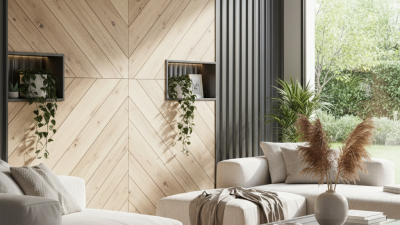
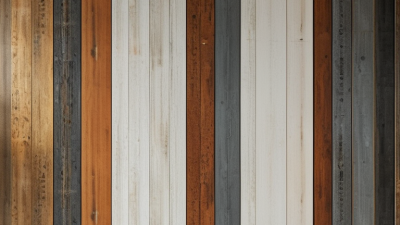
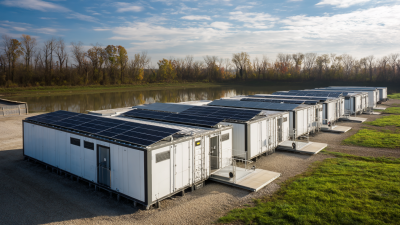
By 2026, folks looking to choose interior decorative panels will find themselves spoiled for choice more than ever before. You’ve got options like wood veneer, PET acoustic panels, bamboo fiber boards, stone-plastic combos, compact laminates, and fire-rated metal systems—each suited to different project needs. And honestly, each choice can totally change how a space looks, how much maintenance it needs, and what it’ll cost to install.
When it comes to picking the right one, feeling the textures matters too.
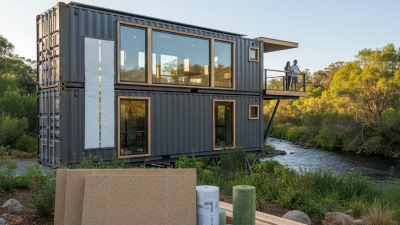
A smart starting point isn’t just about falling for pretty samples. Instead, it’s about digging into the details—comparing core materials, how durable the surface is, resistance to moisture, acoustic quality, fire safety, and indoor air quality. For example, a panel that looks like oak might not hold up well in a humid bathroom, and a lightweight board might be cheaper to ship but could need sturdier fixing systems. If you’re decorating something like a container house, you also gotta consider weight, condensation, vibrations, and limited wall space. Good suppliers will give you all the technical sheets, test results, installation tips, and info on batch consistency.
Keep in mind, local building codes still play a big role in what you can actually use. Just because a product is internationally certified doesn’t mean it meets your country's requirements automatically.
And be wary of vague claims—testing methods can vary between suppliers, and some samples might hide flaws like edge swelling or color inconsistency. It’s super smart to ask for physical samples, check out how joints look, and look at past projects before dropping a lot of cash. Small details like a tiny 3-millimeter edge gap, a washable coating, or matching trims around doorways can make a big difference.
Bottom line? The perfect interior decorative panel isn’t always the most trendy or flashy. It should strike a good balance between how it looks, proven performance, reliable supply, and sourcing responsibly. This guide walks you through some top panel types used in hotels, homes, retail spaces, modular setups, and commercial interiors—just remember, no one material fits every climate or budget perfectly.
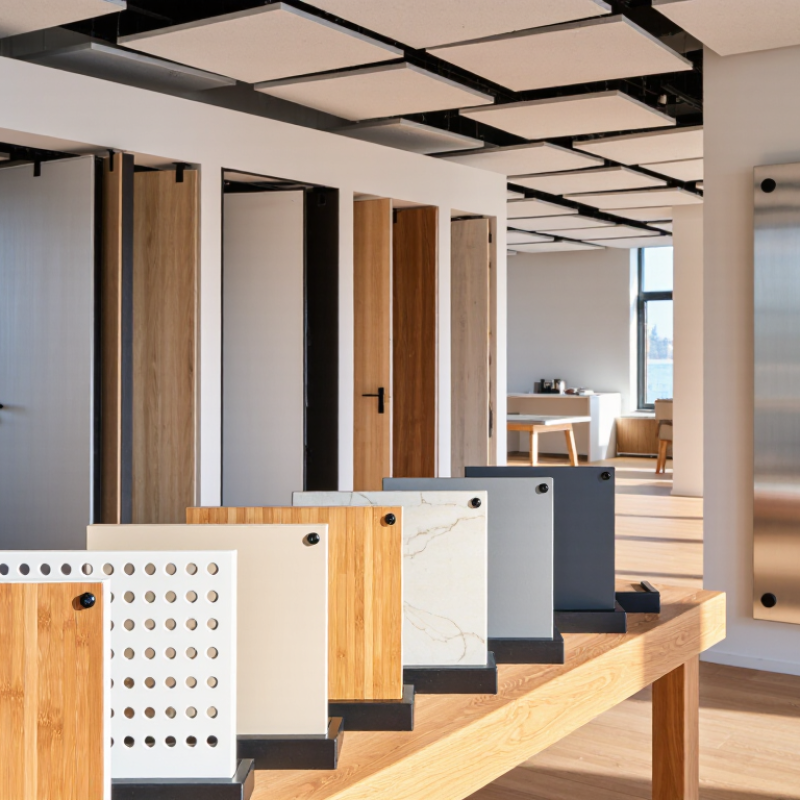
What Are Interior Decorative Panels and Why Do They Matter in 2026?
Interior decorative panels are factory-made surfaces for walls, ceilings, cabinets, and selected furniture areas. They may use wood fibers, mineral cores, recycled polymers, veneers, or laminated finishes. Unlike ordinary paint, panels can add texture, impact resistance, sound control, and easier maintenance.
Their value is practical. A hospitality corridor may need surfaces that resist luggage marks and frequent cleaning. A bedroom may benefit from warm wood tones and improved acoustic comfort. In humid rooms, moisture performance matters more than visual appeal. Buyers should check technical sheets for fire behavior, formaldehyde emissions, moisture resistance, cleaning limits, and installation requirements. Local building rules still decide whether a product is suitable.
In 2026, responsible purchasing also requires lifecycle thinking. A low-cost panel may create waste if cutting losses are high or replacement parts are unavailable. During project reviews, installers often reveal problems that product photos hide, such as uneven walls, weak adhesives, or difficult edge finishing. Samples should be tested under real lighting.
Details matter.
No panel solves every design problem. Some recycled-content products may have limited color consistency, while natural veneers can change with sunlight. Buyers should compare performance, appearance, repairability, and documented testing instead of trusting sustainability language alone. An experienced supplier can provide installation guidance, but independent verification remains important.
Global buyers are leading demand toward interior panels that combine appearance, durability, and easy installation. Wood veneer panels remain popular in hotels, offices, and residential interiors. Their natural grain adds warmth, while engineered cores improve dimensional stability. High-pressure laminate panels also perform strongly in busy spaces. They resist scratches, stains, and frequent cleaning better than many painted surfaces.
Acoustic PET panels are gaining attention in open offices, schools, and hospitality areas. Their soft texture can reduce echo around meeting tables and corridors. Fire-rated mineral wool panels serve another important market, especially where safety documentation is required. Rockwool Sandwich Panel Testing can help verify insulation, fire performance, and structural behavior for specific applications. Buyers should review certified test reports, installation details, and local building requirements before ordering.
PVC and moisture-resistant composite panels suit bathrooms, kitchens, and healthcare interiors. They offer simple maintenance, but low-quality products may discolor or warp. No panel wins every project. A glossy finish can expose fingerprints under strong showroom lighting. A textured finish may collect dust in narrow grooves. From practical sourcing experience, small sample tests often reveal more than polished brochures. Some specifications still remain vague, so buyers should question cleaning resistance, formaldehyde emissions, edge protection, and replacement availability. A beautiful panel is not always a reliable panel.
Which interior decorative panel types are leading the global market?
PVC panels and wood-based decorative panels remain the largest demand segments because of their competitive cost, moisture resistance, design flexibility, and broad use in residential and commercial interiors. WPC and acoustic panels are gaining momentum as buyers place greater emphasis on durability, sustainability, and indoor comfort. The figures represent an estimated 2025 global demand mix synthesized from publicly reported market segmentation trends and are intended for comparative analysis rather than audited market accounting.
In 2026, global buyers are comparing decorative panels by more than color and price. Material choice shapes visual warmth, service life, cleaning effort, and installation risk. Wood veneer creates natural grain and softens large walls, but sunlight can fade uneven surfaces. High-pressure laminates offer consistent patterns and resist everyday scuffs. They can still show chipped edges after careless cutting.
Mineral-based panels provide a different balance. A Hospital Rockwool Sandwich Panel can support acoustic comfort, thermal control, and fire-conscious planning in demanding interiors. Its textured core also reduces echo in corridors and treatment areas. However, exposed edges need careful sealing. Moisture can enter through poor joints, making later repairs expensive. Buyers should request tested performance data, installation guidance, and cleaning limitations before placing large orders.
Aluminum panels are lightweight and easy to wipe, which suits busy entrances and commercial kitchens. Their cool appearance may require warmer lighting or nearby timber details. PVC-based decorative panels can simplify maintenance, yet heat and impact resistance vary widely between specifications. A clean sample may hide weak corner behavior. Ask suppliers to test scratches, stains, joint movement, and repeated cleaning under realistic site conditions. Maintenance teams should review the surface before approval. Looks matter, but daily handling decides whether the design remains convincing.
Interior decorative panels now serve different practical roles across global projects. Wood veneer panels suit living rooms, hotel bedrooms, and executive offices where warmth matters. Slatted acoustic panels can soften echo in meeting rooms, restaurants, and open-plan workspaces. Their spacing is not only visual. It also affects sound absorption and dust collection.
Moisture-resistant PVC or compact laminate panels work well in bathrooms, kitchens, utility areas, and healthcare interiors. They offer easier cleaning than untreated timber. However, installers must check joint sealing and substrate flatness. A beautiful panel can fail around a poorly protected corner. Not always.
Stone-look panels create a strong surface behind reception desks, television walls, and retail displays. Lightweight mineral or fiber-cement boards can reduce handling effort on larger walls. Their fire classification still needs verification for each project. Local codes, adhesive selection, and ventilation conditions should guide the specification.
In Sandwich Panel House Construction, decorative panels may cover interior partitions, ceilings, or service zones. The panel must suit the core material and fixing method. Heavy finishes can create unnecessary load. I would not select a panel from appearance alone. Site humidity, impact risk, maintenance access, and expected service life deserve equal attention. Even experienced teams sometimes overlook future repairs. That oversight becomes expensive when panels hide pipes or electrical routes.
2026 Top Interior Decorative Panel Types for Global Buyers
How Can Global Buyers Compare Panel Performance and Total Cost?
Global buyers should compare decorative panels by use case, not appearance alone. Common options include melamine-faced boards, compact laminate, wood veneer, mineral-based panels, and recycled polymer panels. Each responds differently to humidity, impact, heat, and cleaning chemicals. A panel that looks premium may perform poorly near a hotel bathroom or busy corridor.
Test the basics. Request independent data for scratch resistance, water absorption, fire behavior, formaldehyde emissions, and acoustic performance. Check the test method and standard, not only the reported rating. A moisture-resistant core may still fail when exposed edges absorb water. That gap matters. Ask for installation instructions, repair procedures, and samples from different production batches.
Total cost includes more than the purchase price. Add shipping volume, import duties, cutting waste, fasteners, labor, maintenance, and replacement risk. For example, a cheaper panel needing special tools may cost more after installation. Compare cost per usable square meter, including 8–12% expected waste. Freight can also change the result when panels require protective packaging. A spreadsheet can still lie. Recalculate with local labor rates and realistic delivery delays. My own comparison would remain cautious when supplier data lacks third-party verification, because attractive figures do not replace job-site performance.
Indicative comparison for common interior applications. Ratings and cost ranges represent typical market conditions and standard commercial specifications; project-specific certificates, installation details, local labor rates, taxes, freight, and fire regulations must be verified before purchasing.
| Panel Type | Typical Thickness | Typical Density | Moisture Resistance | Surface Durability | Acoustic Performance | Fire Performance | Dimensional Stability | Typical Installed Cost (USD/m²) |
Common Applications | Main Buying Considerations |
|---|---|---|---|---|---|---|---|---|---|---|
| Melamine-Faced Particleboard | 8–25 mm | 600–750 kg/m³ |
Low–Medium Standard grades are sensitive to prolonged water exposure; moisture-resistant cores perform better. |
Medium–High Good scratch and stain resistance when a commercial-grade melamine surface is used. |
Low–Medium Some sound absorption is provided by the core, but it is not an acoustic treatment by itself. |
Specification-Dependent Fire rating requires a tested board, edge treatment, and installation system. |
Medium Performance depends strongly on core quality, edge sealing, and humidity control. |
$15–45 | Cabinet fronts, wardrobes, office furniture, wall cladding, retail interiors. | Usually one of the lowest-cost options; inspect edge quality, formaldehyde class, moisture grade, and panel flatness. |
| Decorative MDF | 6–25 mm | 600–800 kg/m³ |
Low–Medium Standard MDF is not intended for wet areas; moisture-resistant MDF is required for humid interiors. |
Medium–High Suitable for painted, veneered, routed, or laminated decorative surfaces. |
Medium Higher mass can help reduce some airborne sound, but complete acoustic systems perform better. |
Specification-Dependent Fire-retardant MDF can achieve higher classifications when tested as a complete system. |
Medium Can swell if exposed to water; sealing all cut edges is important. |
$18–55 | Feature walls, painted wall panels, decorative screens, furniture components, slatted panels. | Offers a smooth, consistent surface and accurate machining; compare emissions class, moisture grade, and machining waste. |
| Veneer-Faced Plywood | 6–25 mm | 500–700 kg/m³ |
Medium–High Exterior or marine-bonded grades provide better resistance than interior-grade plywood. |
Medium–High Natural veneer requires suitable lacquer, oil, or other protective finishing. |
Medium Good panel mass and stiffness, but added insulation or acoustic backing may be needed. |
Specification-Dependent Fire performance varies by adhesive, veneer, thickness, and tested assembly. |
High Cross-laminated construction generally offers good strength and screw-holding ability. |
$25–80 | Premium wall cladding, ceilings, furniture, hospitality interiors, partitions. | Compare veneer grade, core voids, formaldehyde emissions, bond classification, and whether the visible face is repairable. |
| Solid Wood Panel | 12–30 mm | 450–750 kg/m³ |
Medium Requires appropriate species selection, acclimatization, joints, and protective finishing. |
Medium–High Can be refinished, but surface hardness and dent resistance vary by wood species. |
Medium Can contribute to sound diffusion and absorption when combined with a cavity or acoustic backing. |
Specification-Dependent Untreated wood is combustible; fire-retardant treatment and tested assemblies may be required. |
Medium Natural movement from humidity changes must be accommodated in the design. |
$35–120 | Luxury residences, hotels, restaurants, executive offices, feature ceilings and walls. | Compare moisture content, timber legality documentation, finish quality, movement allowance, and maintenance requirements. |
| PVC Foam Decorative Panel | 5–20 mm | 450–700 kg/m³ |
High Closed-cell PVC foam is generally resistant to water and does not absorb moisture like wood-based boards. |
Medium Surface can be easy to clean, but some grades are more vulnerable to impact, heat, or scratching. |
Low–Medium Lightweight construction limits acoustic mass unless combined with backing materials. |
Specification-Dependent Confirm flame spread, smoke development, and classification for the target market. |
Medium Allow for thermal expansion, particularly on large panels and sun-exposed walls. |
$20–60 | Bathrooms, kitchens, commercial wall protection, wet-area decoration, lightweight partitions. | Evaluate thermal expansion, impact strength, print or film adhesion, odor, recyclability, and fire certification. |
| WPC Decorative Panel | 5–20 mm | 550–800 kg/m³ |
High Generally suitable for humid interiors, although joints and backing must still be protected. |
Medium–High Resists routine humidity and cleaning; surface quality varies by formulation and finish. |
Medium Profiled or slatted designs can improve diffusion and limited absorption. |
Specification-Dependent Polymer content can affect fire behavior; obtain tested classification for the full system. |
Medium Expansion and contraction can occur with temperature changes. |
$25–75 | Feature walls, hospitality interiors, humid rooms, decorative screens, semi-covered areas. | Compare wood-to-polymer ratio, recycled content, thermal expansion, odor, slip or impact data, and fire test results. |
| Compact HPL Panel | 3–12 mm | 1,200–1,500 kg/m³ |
High Non-porous surfaces are suitable for demanding interior environments when edges and joints are correctly detailed. |
High Strong resistance to scratches, impact, stains, and routine cleaning. |
Low High density and limited thickness provide little sound absorption without a separate acoustic backing. |
Specification-Dependent Fire behavior varies by core composition, thickness, and mounting method. |
High Rigid and stable, although correct fixing and expansion allowances remain necessary. |
$45–140 | High-traffic wall protection, washrooms, healthcare interiors, transportation areas, partitions. | Higher initial cost can be offset by long service life; compare thickness, impact rating, repairability, edge detailing, and lifecycle cost. |
| PET Acoustic Felt Panel | 9–24 mm | 180–250 kg/m³ |
Medium Resistant to normal indoor humidity, but not intended for direct water exposure. |
Medium Lightweight and easy to replace; surface can collect dust if not maintained appropriately. |
High Typical systems can achieve approximately NRC 0.40–0.90 depending on thickness, spacing, cavity, and backing. |
Specification-Dependent Confirm flame and smoke classification for the exact felt composition and mounting system. |
High Lightweight and generally stable in normal interior conditions. |
$30–95 | Offices, meeting rooms, schools, restaurants, ceilings, wall baffles, acoustic feature walls. | Compare tested acoustic absorption by frequency, recycled content, cleanability, colorfastness, edge finish, and fire data. |
For 2026 interior panels, safety starts with documented performance, not attractive textures. Buyers should request fire classification under EN 13501-1 or test results under ASTM E84. These standards measure different properties, so they are not interchangeable. Check smoke production, flame spread, and reaction to fire.
For an Insulated Rockwool Sandwich Panel, also verify core density, joint design, and tested assembly performance. A small unsealed gap can undermine a strong laboratory result.
Sustainability needs evidence across the product life cycle. The UNEP 2024 Global Status Report states that buildings consume about 32% of global energy and create approximately 34% of global CO2 emissions.
Therefore, buyers should request an environmental product declaration based on ISO 14025 and EN 15804. Review declared units, product stages, recycled content, and manufacturing energy.
Generic “eco-friendly” wording is insufficient. Very insufficient. Check whether the data comes from a third-party verification process.
Indoor air quality also deserves close attention. ISO 16000 test reports can help assess formaldehyde and volatile organic compound emissions. Ask for results at the intended thickness, temperature, and installation condition.
Supply-chain records should identify mineral sources, adhesives, coatings, and recycled materials. Responsible procurement may include certified timber documentation where wood fibers are used.
One certificate does not prove everything. I would also compare factory records with delivered samples, because color, density, and edge treatment can change. That practical check is easy to skip, and sometimes regrettably expensive.
International buyers should evaluate suppliers beyond catalog photos. Decorative panels may include wood veneer, fluted acoustic boards, PVC-coated panels, compact laminates, and mineral-based sheets. Request physical samples with matching batch numbers. Check surface consistency, edge quality, color variation, and panel thickness with a caliper. A perfect sample can mislead. Ask for samples from current production.
Supplier reliability appears in documented details. Review factory capacity, quality-control procedures, export experience, and material traceability. Request test reports for fire performance, formaldehyde emissions, moisture resistance, and structural stability where relevant. Confirm that reports match the exact panel specification, not a similar product. Independent laboratory verification is worth the cost for large projects. Some buyers skip this step.
Before ordering, prepare a written purchase specification. Include dimensions, tolerances, core material, finish, packaging, quantity, replacement terms, inspection standards, and delivery conditions. Confirm whether colors may vary between production lots. For container orders, calculate usable volume after protective packing, not only the advertised panel size. Approve a pre-shipment inspection with photographs, measurements, and carton counts. Keep payment stages linked to clear milestones. Small misunderstandings become expensive at scale. Recheck every drawing before production begins.
Compare panels by their intended use, not appearance alone. Check humidity, impact, heat, cleaning, and maintenance needs. A beautiful surface may fail in a busy corridor.
Request independent data on scratch resistance, water absorption, fire behavior, emissions, and acoustic performance. Verify the testing method and standard. Ratings without context can mislead.
Moisture-resistant cores may still absorb water through exposed edges. Inspect edge protection and sealing instructions. Small gaps become expensive.
Include shipping, duties, cutting waste, fasteners, labor, maintenance, and replacement risk. Calculate cost per usable square meter. Add about 8–12% expected waste.
Yes. Special tools, difficult installation, protective packaging, or delayed delivery can increase the final cost. Recalculate using local labor rates. The spreadsheet may still lie.
Request physical samples from current production batches. Compare surface consistency, edge quality, color variation, and thickness. Use a caliper for thickness checks. One perfect sample proves little.
Review factory capacity, quality procedures, material traceability, and export experience. Confirm reports match the exact panel specification. Similar-product reports are not enough.
State dimensions, tolerances, core material, finish, packaging, quantity, inspection rules, and replacement terms. Clarify acceptable color variation between batches. Recheck every drawing before production.
Approve pre-shipment inspections with photographs, measurements, and carton counts. Calculate usable volume after protective packing. Link payment stages to clear milestones. I would remain cautious.
In 2026, interior decorative panels are becoming an important solution for creating attractive, functional, and efficient interior spaces. This guide examines leading types, including wood-based, mineral, metal, PVC, acoustic, and eco-friendly panels, while explaining how each material influences appearance, durability, moisture resistance, fire performance, cleaning, and long-term maintenance. It also explores suitable applications in homes, offices, hotels, retail spaces, healthcare facilities, and other commercial interiors, helping buyers match panel characteristics with project requirements.
For international purchasers, choosing an Interior Decorative Panel requires more than comparing the initial price. Buyers should evaluate service life, installation needs, replacement costs, environmental impact, and total ownership cost. The article also highlights the importance of checking relevant safety, emissions, quality, and sustainability documentation, as well as assessing supplier capabilities, production consistency, customization options, packaging, lead times, communication, and after-sales support. A structured comparison and careful ordering process can reduce project risks and support reliable global procurement.