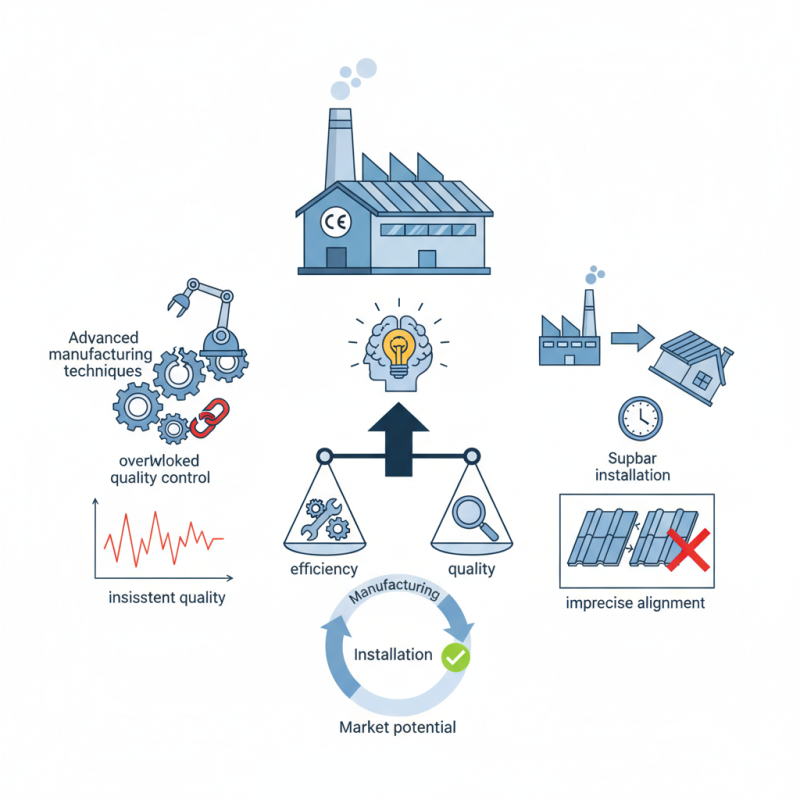
As more folks look for durable and affordable building materials, it's pretty clear that Metal Roofing Panels & Tiles are playing a bigger role than ever before. In China, a bunch of factories are stepping up to meet this demand, but if you take a closer look, you'll see a mix of hits and misses in how they do things. Like, some factories are using pretty advanced manufacturing techniques, which is awesome, but sometimes they overlook the importance of quality control. And let's be honest — quality really matters if you want these roofs to last and perform well.
Take Zhejiang Jinyi Steel Structure Co. Ltd. and Shandong Huayi Steel Industry Co., for example—they're big players in making these metal panels and tiles. Still, their focus doesn’t always seem to be on the same page. Some rush through the process just to get products out quickly, which can lead to less-than-perfect installations. Installing sheet metal roofing isn’t exactly a walk in the park—it needs precise attention to detail. Every panel has to line up perfectly; otherwise, it could compromise the entire roof’s strength.
Looking at what these leading factories are doing gives us a pretty good idea of how tricky it is to strike the right balance between efficiency and quality. Sure, they’re innovating and making progress, but there’s definitely room to do better. It’s pretty clear that adopting a more balanced approach—one that takes both manufacturing and installation seriously—is the way forward. Only then can these products really shine and reach their full potential in the market.
Overview of the Metal Roofing Panels and Tiles Market in China for 2026
The metal roofing panels and tiles market in China is rapidly evolving. By 2026, the market is projected to reach a valuation of USD 6.5 billion. This growth is driven by increased demand for sustainable construction solutions. Insulated Roofing options are becoming more popular among builders and homeowners alike. Energy efficiency is a priority, and insulated roofing provides better thermal performance.
Recent data shows that environmentally friendly materials are gaining traction. In 2023, approximately 35% of new roofing projects in China included metal materials. The market is poised for continuous expansion. However, challenges remain, such as fluctuating raw material prices. Manufacturers must innovate to stay competitive.
Tip: Always consider the long-term benefits of insulated roofing. It may reduce energy costs significantly. A thorough market analysis can help identify available opportunities in the industry. Look for partnerships that enhance product offerings.
2026 Top CE Certification China Metal Roofing Panels and Tiles Factory Insights
| Dimension |
Value |
| Market Size (2025) |
$8 Billion |
| Projected Growth Rate (2026) |
5.5% |
| Main Raw Materials |
Aluminum, Steel, Zinc |
| Export Percentage |
30% |
| Top Application Segment |
Residential Roofing |
| Key Market Driver |
Increasing Construction Activities |
| CE Certification Importance |
Regulatory Compliance |
Key Players in the Chinese Metal Roofing Industry: Market Share Analysis
The Chinese metal roofing industry has shown notable growth in recent years. Key players are competing fiercely to capture market share. This competitive environment creates both opportunities and challenges. The focus on quality and sustainability grows, yet inconsistency in standards remains a concern. Manufacturers must address these issues to thrive.
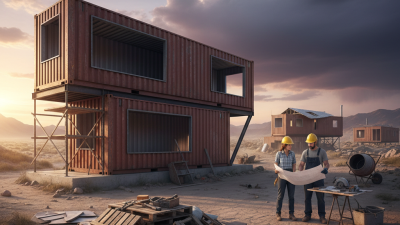
Container House Roofing has emerged as a niche market segment. This trend reflects a shift towards innovative building solutions. Metal roofing panels and tiles are gaining popularity among builders. Their lightweight nature and durability make them ideal for container homes. However, not all products meet the evolving needs of consumers. Some roofs fail to offer adequate thermal insulation, presenting an area for improvement.
Market dynamics continue to evolve as new players enter. The challenge lies in balancing cost and quality. Established companies often dominate the landscape, yet smaller firms bring fresh ideas. Collaboration among manufacturers can lead to better products. Ultimately, a commitment to improvement is crucial in this competitive industry.
Market Share Analysis of Metal Roofing Panels and Tiles in China (2026)
Trends Driving the Growth of Metal Roofing Panels and Tiles in China
The Chinese market for metal roofing panels and tiles is evolving rapidly. Recent reports indicate a
compound annual growth rate (CAGR) of approximately 9% from 2021 to 2026.
This surge is driven by urbanization and the need for durable roofing solutions. As cities expand, the demand for both residential and commercial properties increases.
Rising concerns about building longevity are pushing homeowners toward metal roofing.
These materials are resistant to corrosion and can withstand harsh weather. Moreover, metal roofs offer energy efficiency benefits, reducing heating and cooling costs.
Many architects are recommending these systems for their environmental sustainability. Reports suggest that up to 25% of new buildings may adopt metal roofing as a primary choice by 2026.
However, the market faces challenges. High initial costs can deter potential buyers.
Additionally, some consumers remain unaware of metal roofing’s advantages. Education is crucial.
There’s a need for more outreach to communicate the long-term benefits of investing in metal roofing panels.
This gap presents an opportunity for growth and improvement in the industry.
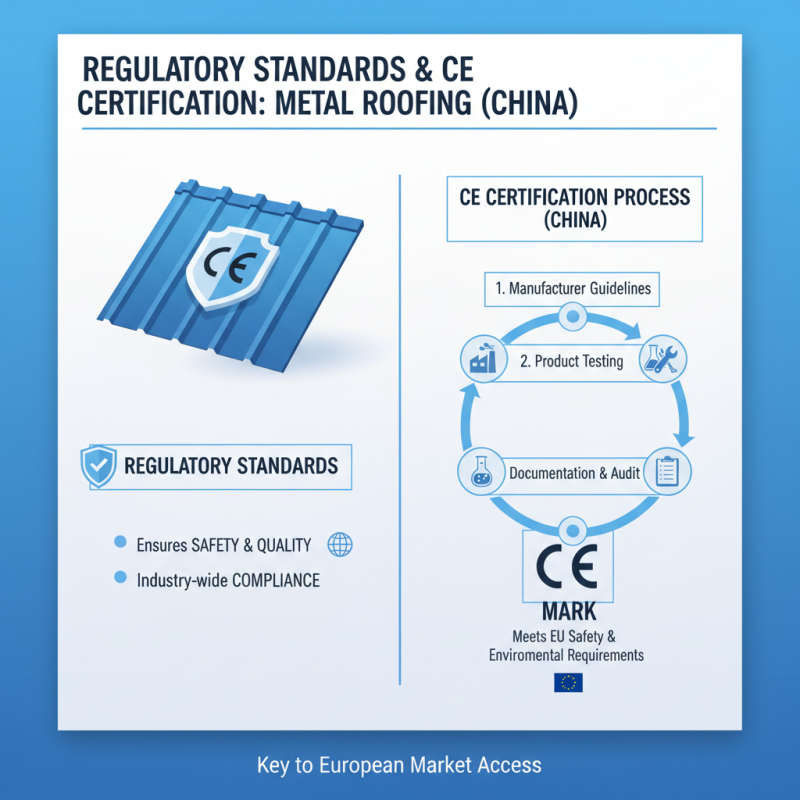
Regulatory Standards and CE Certification Process for Metal Roofing Products
When it comes to metal roofing products, regulatory standards are critical. These standards ensure safety and quality across the industry. In China, the CE certification process plays a vital role. Manufacturers must follow specific guidelines to obtain certification. This process verifies that products meet European safety and environmental requirements.
To navigate the CE certification process smoothly, understanding the necessary documentation is essential. Product testing is a key part of this process. Testing should include parameters like durability and corrosion resistance. Companies must also prepare technical files that include design specifications and intended use. Mistakes happen—missing documents can delay certification.
Tips: Always keep records of testing results. Regularly review compliance with standards. This can save time and frustration in the long run. Seek expert advice if needed. Understanding the requirements is crucial for success. Investing time in research early can prevent future setbacks.
Innovations and Technologies in Metal Roofing Manufacturing Techniques
The metal roofing industry is undergoing remarkable transformations. Innovations in manufacturing techniques are reshaping how metal panels and tiles are produced. Advanced machinery enhances precision in cutting and shaping. This leads to better fitting and less waste, which is crucial for sustainability. However, the reliance on technology can sometimes overlook craftsmanship. Balancing automation with traditional skills is a challenge.
Moreover, new materials are being explored. Lightweight, durable options are gaining traction. These materials offer enhanced insulation properties, leading to energy efficiency. Yet, some manufacturers may rush into adopting these trends without thorough testing. This could lead to product failures in real-world conditions.
The Metal Building Metal sector benefits from these advancements. Increased adaptability allows for unique designs. Innovations promote aesthetic appeal alongside functionality. However, it is essential to reflect on the long-term impact of these rapid changes. Without careful consideration, the industry might prioritize speed over quality. This is an area needing attention as the market evolves.
Sustainability Practices in the Production of Metal Roofing Panels in China
In recent years, sustainability has become a crucial focus in manufacturing. The production of metal roofing panels in China is no exception. Many factories are now implementing eco-friendly practices. For example, they source recycled materials to create Insulated Metal Roof Panels. This approach not only reduces waste but also lowers energy consumption.
Despite these positive changes, challenges persist. Some manufacturers still rely on outdated processes. These methods can lead to increased emissions and environmental harm. Moreover, not all companies are fully transparent about their practices. Consumers are often left in the dark regarding the sustainability of the products they purchase. This lack of clarity can hinder progress in the industry.
Moreover, energy efficiency is a growing concern. While insulated metal roof panels are designed to improve thermal performance, the production process can be energy-intensive. Manufacturers must strive to balance efficiency with environmental impact. It is essential to address these issues to create truly sustainable practices. Continuous improvement and innovation in manufacturing processes can drive the industry towards a greener future.
Projected Market Growth Rates for Metal Roofing Segments through 2028
As the construction industry evolves, metal roofing continues gaining traction. Projections indicate significant growth rates for metal roofing segments through 2028. This trend showcases the increasing preference for durability and energy efficiency in building materials.
The demand for metal roofing panels and tiles is on the rise. Homeowners appreciate the longevity and low maintenance that metal roofs offer. Additionally, they are environmentally friendly, a factor driving consumer choices today. However, challenges remain. Some budgets may not accommodate higher upfront costs. It's essential for consumers to recognize this and plan accordingly.
Tips: When considering a metal roof, check local suppliers. They often have valuable insights about suitable materials. Also, remember to balance quality with price. Note that lower prices can sometimes lead to inferior products. Always weigh the long-term benefits against initial savings for informed decisions.
Innovative Metal Integrated Thermal Insulation Curtain Wall System: Enhancing Energy Efficiency in Modern Architecture
在现代建筑中,金属一体化保温幕墙系统因其出色的能效表现而逐渐成为行业的主流选择。这种系统的设计不仅能有效结合美观与功能性,还能显著提升建筑的整体能源效率。通过使用优质的绝热材料,该系统能够有效降低建筑能耗,满足日益严格的节能标准。
该金属一体化保温幕墙系统提供多种标准厚度的板材,包括80mm、100mm、120mm等,能够满足不同建筑设计需求。其主面板材质丰富,包括预涂铝板、钢板、钛锌板、铜板及不锈钢板等,确保在不同气候条件下均能保持优异的性能。后面板同样采用预涂表面,既增强了系统的结构稳定性,又延长了使用寿命。
核心材料方面使用了高品质的疏水岩棉,拥有良好的绝热性能,同时配合热塑性双组分聚氨酯胶粘剂,确保了连接的牢固性与持久性。表面涂层如LUXACOTE和PVDF,不仅提高了抗腐蚀性能,还使得维护变得更加简便,进一步增强了该幕墙系统的应用潜力与适用性。
FAQS
: The market is projected to reach USD 6.5 billion by 2026.
Increased demand for sustainable construction solutions is a primary driver.
Insulated roofing options are becoming increasingly popular for better thermal performance.
Approximately 35% of new roofing projects included metal materials.
Yes, fluctuating raw material prices pose challenges for manufacturers.
Insulated roofing can significantly reduce energy costs over time.
Higher upfront costs may challenge some budgets, so planning is essential.
Local suppliers often have valuable insights on suitable materials and options.
It's crucial, as lower prices can lead to inferior product quality.
Consumers should weigh long-term benefits against initial savings for better decisions.
Conclusion
The article provides a comprehensive analysis of the Metal Roofing Panels & Tiles market in China, projecting insights for 2026. It details the current market landscape, highlighting key players and their market shares, as well as the trends driving the growth of Metal Roofing Panels & Tiles in the region. The regulatory standards and CE certification process are outlined, emphasizing their importance in ensuring product quality and safety.
Additionally, the article explores the innovations and technologies that are shaping manufacturing techniques within the industry, reflecting a shift towards sustainability practices in production processes. It concludes with forecasts of market growth rates for various segments of Metal Roofing Panels & Tiles through 2028, underscoring the sector's robust potential.