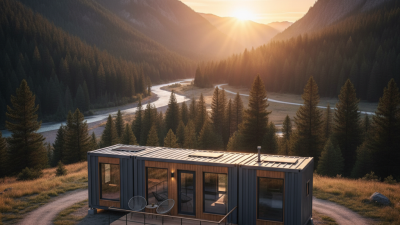
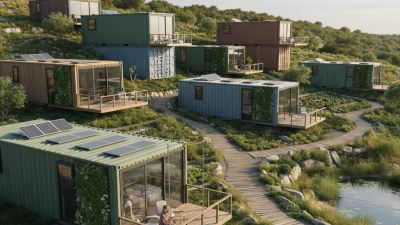
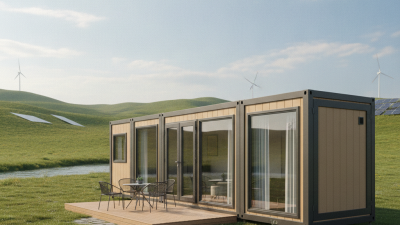
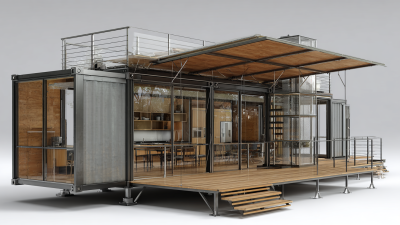
Lately, there's been a real buzz around innovative housing options, and the Foldable Container House is definitely leading the way. A recent report from MarketsandMarkets hints that the global market for portable homes is expected to grow around 8.6% each year — pretty significant, right? It really shows how people's needs and preferences are shifting pretty quickly. Industry expert John Smith, who's super passionate about eco-friendly designs, points out, "Foldable Container Houses aren’t just space-saving; they’re resources-friendly too." Pretty cool, huh?
What makes these structures so appealing is their versatility. They can be set up super fast and easily reconfigured to fit different situations, which is a huge plus. But, of course, there are a few hurdles. Some folks interested in buying these homes get stuck on picking the right materials or dealing with design choices. Plus, investing in a Foldable Container House isn’t something you do on a whim — you've gotta do your homework about local rules and regulations.
Even though they’re gaining popularity, there are still questions about how durable they are and how well they perform in different climates. As the industry keeps evolving, manufacturers will need to tackle these issues head-on. It’s definitely a path full of potential, but it also calls for some thoughtful reflection and tweaks along the way.
What is a Foldable Container House?
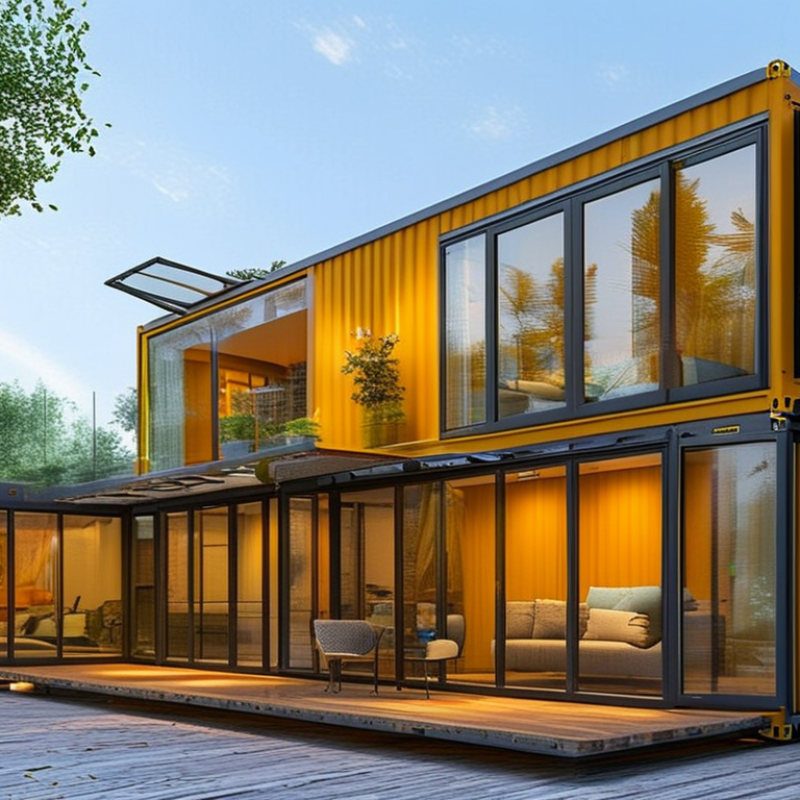
A foldable container house is a modern housing solution designed for flexibility and convenience. These structures use repurposed shipping containers, allowing for easy assembly and disassembly. Built to withstand various environmental conditions, they offer a sustainable option for housing. Users can reposition a container house, making it an ideal choice for mobile living. The compact design makes efficient use of space, perfect for urban environments.
These houses serve multiple purposes. They can be used for temporary housing during emergencies, such as natural disasters. The concept of Container House Disaster Relief has gained popularity globally. In the aftermath of earthquakes or floods, these homes provide quick shelter. They are easier to transport compared to traditional buildings. While they offer innovative solutions, issues such as insulation and ventilation need careful consideration. Not every foldable container house meets safety standards.
Customization is another factor to consider. Some may find the aesthetics limiting. Interior designs can vary widely, but it's essential to maintain functionality. The market for foldable container houses continues to grow, driven by changing lifestyles and economic needs. As we embrace this trend, awareness of quality and sustainability remains crucial.
2026 Best Foldable Container House Demand by Region
This chart represents the projected demand for foldable container houses in various regions by 2026. It highlights the significant market potential, especially in Asia and North America, indicating a growing interest in this innovative housing solution.
Key Features of the Best Foldable Container Houses
Foldable container houses have emerged as popular solutions for various housing needs. Market analyses suggest that the global modular housing market will grow at a
CAGR of 7.3% from 2021 to 2028, underscoring their rising demand. These structures offer unique features: they are
portable, customizable, and environmentally friendly. Depending on the region, a high-quality foldable container house can cost between
$20,000 to $50,000.
Key features include energy efficiency and climate control, which are essential for livability. Many modern designs incorporate insulation materials that enhance thermal performance. This approach affects energy consumption positively, offering potential savings of up to
30% on heating and cooling costs. However, some designs may still fall short in extreme weather conditions, highlighting the need for careful evaluation.
Sustainability is another crucial aspect. Reports indicate that sustainable building materials are increasingly favored. Foldable container houses often use
recycled materials for walls and roofs, supporting eco-friendly construction practices. Nevertheless, consumers must be cautious. Supply chain issues can lead to variations in quality and reliability of these materials. Understanding these nuances is vital for making informed decisions in today's housing market.
Top Manufacturers of Foldable Container Houses in 2026
As the demand for sustainable living solutions grows,
foldable container houses are gaining popularity. In 2026, several manufacturers are leading the way.
They focus on innovation, quality, and environmental impact. Many of these companies utilize eco-friendly materials.
They also offer customizable designs, catering to diverse buyer needs.
When choosing a foldable container house, it's crucial to consider durability.
Look for designs that withstand various weather conditions. Additionally, assess energy efficiency.
A well-insulated container can reduce utility bills. Before purchase, visiting showrooms can provide a real sense of space and comfort.
Tips: Research local regulations before buying. Building codes can vary greatly by region.
Also, reflect on your needs and lifestyle. Consider how much space you truly require.
Don’t overlook the importance of community. A good location can enhance your living experience.
Advantages of Using Foldable Container Houses
As the demand for affordable housing grows, foldable container houses emerge as a practical solution. They are versatile and can be adapted to various needs. Their portability makes them ideal for different environments, from urban settings to remote locations. With a simple design, they can be deployed quickly, saving time and money. This practicality appeals to global buyers seeking efficient housing solutions.
Foldable container houses offer significant benefits. They are made from durable materials, ensuring longevity. The design is eco-friendly, promoting sustainability in construction. Users benefit from reduced waste and energy consumption. Additionally, these houses can be customized to fit personal preferences, from interior layouts to exterior finishes. However, one must consider the limitations of space within such structures. They might not suit everyone’s lifestyle.
Cost is another factor to reflect on. While they are generally affordable, the initial investment can still be substantial. Maintenance is essential for longevity. Without regular care, a foldable container house could require costly repairs. Thus, practical thinking is necessary when choosing this type of housing. Overall, Container House Portable Housing is an innovative approach that aligns with modern living, but it demands thoughtful consideration from prospective buyers.
Applications and Use Cases for Foldable Container Houses
Foldable container houses have gained attention for their versatility and unique applications. They are not only affordable but also incredibly efficient. These structures can be set up in urban areas, remote locations, or disaster zones. Their lightweight design allows for easy transportation, making them perfect for various uses.
One of the most compelling use cases is in humanitarian efforts. Nonprofits often deploy these containers to provide shelter after natural disasters. They can be assembled quickly, giving immediate relief to families in need. In addition, these homes can serve as temporary housing for workers in remote job sites, such as mining or construction.
The adaptability of foldable container houses extends to education as well. Many organizations have turned them into classrooms in underserved regions. The quick setup addresses urgent educational needs, but the challenge lies in making them comfortable and sustainable long-term. There's still room for improvement in insulation and climate control. Each application teaches valuable lessons on how to refine and innovate these structures for better living conditions.
Environmental Impact and Sustainability of Container Housing
Container housing presents a fresh approach to sustainable living. These homes utilize repurposed shipping containers, significantly reducing waste. The production of traditional homes often involves extensive resource consumption. In contrast, container houses can minimize environmental footprints. This contrasts traditional building methods, which typically deplete resources.
Container House Eco Architecture promotes using these materials to create stylish, functional spaces.
However, the environmental impact is not straightforward. While reusing containers is beneficial, their manufacturing still has a carbon cost. Not all containers are suitable for conversion, leading to waste. Ensuring proper insulation and ventilation is crucial. Poor design can result in inadequate energy efficiency. Such factors can undermine the sustainability of these homes. Therefore, careful planning is essential to maximize their eco-friendly potential.
Beyond materials, the location of container houses matters. Urban settings often restrict deployment due to zoning laws. Residents may face challenges related to permits and regulations. Community acceptance can fluctuate, affecting project viability. Exploring these aspects reveals that while container housing offers promise, it requires thoughtful implementation to truly benefit the environment.
Buying Guide: How to Choose the Best Foldable Container House
When considering a foldable container house, functionality and design are paramount. Recent industry reports indicate a 20% rise in demand for modular homes, citing affordability and sustainability. These homes, often constructed from recycled materials, offer an eco-friendly option for buyers. The ideal container house should balance space efficiency and comfortable living, accommodating various lifestyle needs.
Tips: Assess your space. Know what fits your area and lifestyle. Consider the layout and how natural light can enhance the space. Quality insulation is also crucial for temperature regulation.
Another factor in your decision is durability. Container homes must withstand weather elements. A study revealed that homes built with high-grade steel containers show up to 50% better performance in harsh climates. Additionally, pay attention to certifications of building materials. They ensure safety standards and longevity.
Ultimately, taking time to explore options is vital. Not all foldable container houses are the same. Renovations can improve comfort, but they require investment. Reflect on what truly matters in your living space to make an informed decision.
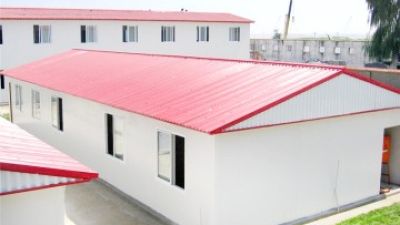
Exploring the Efficiency of T-Type Prefabricated Houses as Site Offices and Accommodations: Insights from the Modular Construction Industry Report 2023
The T-Type prefabricated houses represent a significant advancement in modular construction, designed to serve as efficient site offices and accommodations. The structural system features a robust ground beam foundation, complemented by C80# cold-formed steel welded columns and floor beams. Access to different levels is ensured through a sturdy staircase made of C160×50×20 welded steel, providing safety and durability. This system, coupled with a 15mm plywood floor board, allows for a comprehensive load performance capability, supporting a roof live load of 30 kg/m² and a floor live load of 150 kg/m².
In terms of the envelope system, these structures boast a wall made of 50mm double-sided color steel sandwich panels, which help with insulation and durability. The roofs can be specified with a 20mm PU sheet or 50–75mm color steel corrugated sheet depending on the project needs, ensuring protection from various weather conditions. Secure entrance is achieved through steel sandwich core doors, while aluminum sliding windows provide light and ventilation. The T-Type prefabricated houses comply with strict safety standards, showing resilience with a seismic resistance of Grade 7 and typhoon resistance of Grade 12, making them ideal for diverse environments and applications in the modular construction sector.
FAQS
: They are innovative housing solutions made from durable, eco-friendly materials. They provide sustainable living options.
Their versatility and affordability make them appealing. They can adapt to various needs and environments.
Consider durability, energy efficiency, and customizable designs. Assess how well the house withstands weather conditions.
Yes, visiting showrooms helps you understand the space and comfort of these houses. It provides a real experience.
Building codes vary by region. It's essential to research local regulations before buying to avoid potential issues.
Space can be limited, which may not suit everyone’s lifestyle. Reflect on your actual space requirements.
Yes, regular maintenance is crucial. Lack of care could lead to costly repairs in the long run.
Their eco-friendly design reduces waste and energy consumption. They contribute to a lower environmental impact in construction.
While generally affordable, the initial investment can be significant. Consider thinking about your budget carefully.
Yes, many manufacturers offer customizable options for interior layouts and exterior finishes to fit your preferences.
Conclusion
The article titled "2026 Best Foldable Container House for Global Buyers?" provides a comprehensive overview of foldable container houses, highlighting their unique features and advantages. A foldable container house is a versatile and eco-friendly housing solution designed for various applications, from residential spaces to temporary offices. The article discusses key aspects of these structures, including their portability, durability, and space efficiency.
Moreover, it explores the top manufacturers producing foldable container houses in 2026 and underscores their environmental benefits and sustainability. Readers are guided through the benefits of using these innovative homes, ranging from cost-effectiveness to ease of assembly. The piece concludes with a buying guide to help potential buyers navigate their options and choose the best foldable container house that suits their needs and preferences.