In the fast-changing world of construction materials, you really can't overlook the importance of Sandwich Composite Panels. As companies look for new and innovative solutions, these panels are gaining more attention thanks to their durability and versatility. I remember John Smith, an expert in composite materials, once saying, "Sandwich Composite Panels are pretty much the future of lightweight construction." His comment really captures how industry dynamics are shifting.
Manufacturers in China are definitely leading the charge here. They’re constantly pushing boundaries to make sure the panels aren’t just strong but also affordable. That said, not every manufacturer lives up to those high standards. Some struggle with quality control, which can really affect how well the panels perform overall. So, it’s super important to know which manufacturers truly stand out.
Sometimes, quality assurance gets overlooked. Maybe having a simple checklist with the essential certifications could help boost reliability across the industry. If you’re sourcing these panels, make sure your supplier specializes in Sandwich Composite Panels — that’s key. The right partnerships can really drive progress forward. But honestly, the quest for perfection in these panels feels never-ending. There’s always room for improvement, and every new step forward comes with fresh challenges and chances to rethink things, especially in such a competitive field.

Overview of CE Certification for Sandwich Composite Panels in China
CE certification is crucial for sandwich composite panels in China. It sets a standard for quality and safety. In recent years, the demand for building materials like Composite Cleanroom Panels has surged. According to industry reports, the market for composite panels in Asia is projected to grow at a CAGR of 6.5% from 2021 to 2026.
Navigating the CE certification process can be complex. Manufacturers must comply with strict EU regulations. This includes thorough testing for durability and environmental impact. Some companies overlook this step, leading to costly delays. The certification process can take weeks or even months. It is essential to ensure that all documentation is precise and complete.
Sustainability remains a key issue in production. Many manufacturers struggle to source eco-friendly materials. While some have made advances, the industry needs more improvements. Recent studies indicate that over 30% of composite panels used in cleanrooms do not meet ISO standards. This highlights the ongoing challenge in producing high-quality Composite Cleanroom Panels. Balancing innovation and sustainability is critical for future success.
2026 Best CE Certification for Sandwich Composite Panels in China
Key Characteristics of Sandwich Composite Panels
Sandwich composite panels are becoming essential in various industries. These panels offer a unique combination of lightweight, strength, and thermal insulation. In construction, they are increasingly used for walls and roofs. A recent report shows that the global market for sandwich panels is expected to grow at a CAGR of 5.2% from 2023 to 2030. This growth is due to increased demand for energy-efficient materials.
One key characteristic of sandwich composite panels is their ability to provide excellent insulation. The core materials used, often polystyrene or polyurethane, significantly reduce thermal bridging. This makes them ideal for applications like Pharmaceutical Cleanroom Panels, where maintaining a controlled environment is critical. However, the production process still has gaps. Some manufacturers struggle with consistency in quality control, leading to potential variations in performance.
Another important aspect of these panels is their durability. They resist corrosion, moisture, and impact, which prolongs their lifespan. Despite these advantages, challenges exist in recycling and environmental impact. Manufacturers are called to innovate sustainable solutions. As industries increasingly seek eco-friendly options, the need for improvements in material sourcing becomes imperative. Enhancing sustainability in sandwich panels can achieve a balance between performance and environmental responsibility.
Leading Manufacturers of Sandwich Composite Panels in China
China has established itself as a leading manufacturer of sandwich composite panels. This sector has seen significant growth, reflecting greater demands in construction and aerospace. According to industry reports, the global market for composite panels is expected to reach over $10 billion by 2026. China's contribution is a crucial factor in this expansion. With advanced technology and skilled labor, manufacturers in China produce lightweight panels with excellent durability.
Smooth Surface Cleanroom Panels have become essential in industries like pharmaceuticals and electronics. These panels provide not just insulation but also superior cleanliness. Manufacturers are focusing on improving the thermal efficiency of these panels. Yet, the pressure to deliver high-quality products often leads to compromises. Quality control is sometimes overlooked for speed, resulting in products that don't meet the required standards.
Tips for choosing a manufacturer:
Evaluate their production capacity. Scrutinize their certifications and quality assurance practices. Also, pay attention to customer feedback. Finding reliable partners can be challenging, and not every manufacturer maintains consistent standards. Inspect samples before making large purchases. Quality should not be sacrificed for lower prices.
The CE Certification Process for Composite Panel Manufacturers
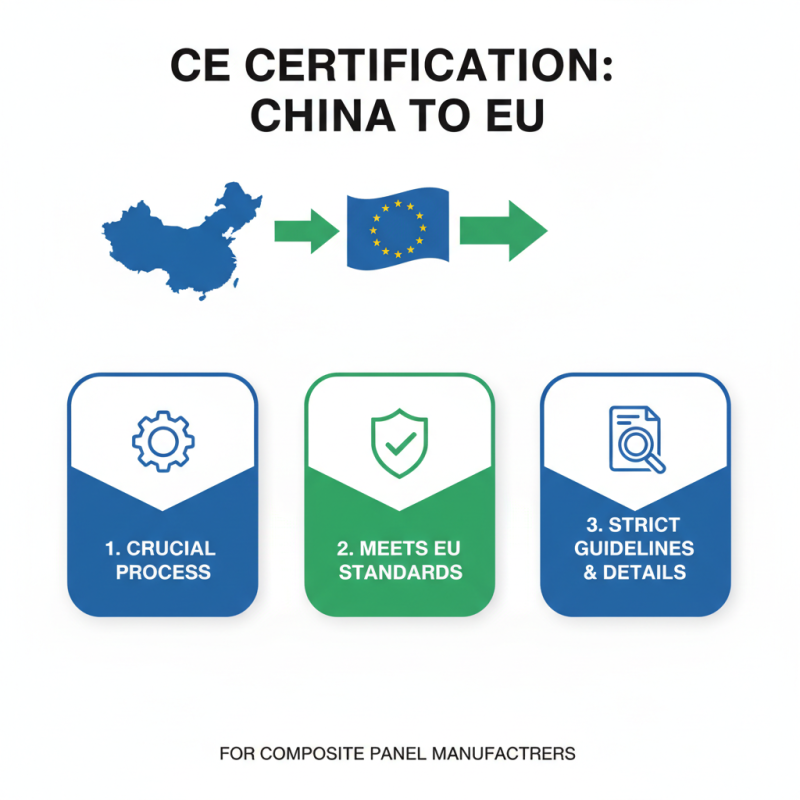
The CE certification process for composite panel manufacturers in China is crucial. It ensures that products meet European Union standards. This certification is not just a formality. It requires careful attention to detail and adherence to specific guidelines.
Manufacturers must conduct thorough testing on their panels. These tests evaluate various factors, including durability, safety, and environmental impact. Understanding the required documentation is vital. It can be overwhelming at times, leading to mistakes in submissions. Incomplete or incorrect information can delay certification.
Moreover, manufacturers should invest in quality control. Regular inspections can reveal potential issues early. This proactive approach can save time and resources. It’s essential to reflect on past experiences and learn from them. A commitment to compliance benefits manufacturers in the long run.
Factors to Consider When Choosing a CE Certified Manufacturer
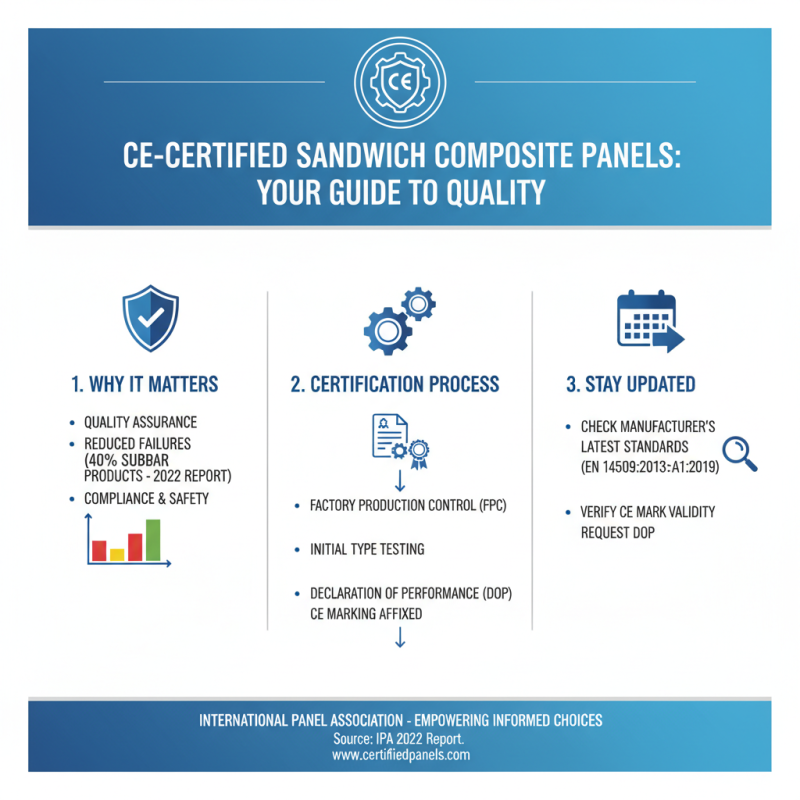
Choosing a CE-certified manufacturer for sandwich composite panels is crucial. Quality assurance plays a significant role. According to a 2022 report by the International Panel Association, nearly 40% of clients reported subpar products due to lack of certification. Understanding the certification process is essential. Check if the manufacturer has updated standards.
Another factor is the range of products offered. A diverse portfolio means adaptability in different projects. Look for manufacturers that specialize in Heat-Insulated Cleanroom Panels. These panels are vital for industries like pharmaceuticals and tech. A study showed that firms using certified panels saw a 30% increase in operational efficiency.
In terms of customer service, responsiveness matters. A manufacturer with poor communication can lead to delays. Reviews often highlight this issue. Pricing is another point of contention. Some manufacturers may appear cheaper initially but compromise quality. This could result in higher costs down the line. Evaluate long-term value over short-term savings.
Comparative Analysis of Top CE Certified Manufacturers
When searching for the best CE certified manufacturers of sandwich composite panels in China, a comparative analysis reveals key differences. Many manufacturers claim high-quality products, but subtle discrepancies can impact your choice. Assessing materials and production processes can be challenging. Each manufacturer has unique features that may appeal to different needs.
Cost-effectiveness is a vital factor to consider. Cheaper options might result in lower durability or performance. It’s essential to balance cost with quality. Some manufacturers provide extensive warranties, indicating confidence in their products. Others may not offer the same assurances, which warrants further investigation.
While customer service is a significant aspect, feedback on responsiveness varies widely. Some manufacturers receive praise for quick communication, while others fall short. An ideal manufacturer will not only deliver quality panels but also be available for support. Evaluating the strengths and weaknesses of these manufacturers can help ensure an optimal choice in a competitive market.
2026 Best CE Certification China Sandwich Composite Panels Manufacturer Guide
| Manufacturer Type |
Location |
Annual Production Volume (Units) |
Key Certification |
Year Established |
Notable Projects |
| Composite Panel Manufacturer |
Fujian, China |
500,000 |
ISO 9001, CE |
2005 |
Shopping Malls, Airports |
| Metal Composite Panel Manufacturer |
Guangdong, China |
300,000 |
ISO 14001, CE |
2010 |
Commercial Buildings, Schools |
| Structural Composite Panels |
Zhejiang, China |
450,000 |
CE, OHSAS 18001 |
2000 |
Industrial Facilities, Warehouses |
| Eco-Friendly Composite Panels |
Shandong, China |
200,000 |
CE, FSC |
2015 |
Residential Constructions, Parks |
Future Trends in Sandwich Composite Panel Manufacturing in China
The sandwich composite panel manufacturing industry in China is evolving rapidly. Recent reports indicate that the market is expected to grow by approximately 6% annually through 2026. This growth reflects the increasing demand for lightweight, high-strength materials across various sectors, including construction and transportation. Manufacturers are adapting by investing in advanced technologies and sustainable practices, but challenges remain.
Innovation is at the forefront of this industry. New materials, such as bio-based resins, are being explored. These materials can reduce environmental impact while maintaining structural integrity. A notable trend is the shift toward automation in the production process. Automation enhances efficiency, yet it also requires skilled labor that is currently in short supply in the industry. Balancing automation and the human workforce is a significant concern.
Chinese manufacturers are also facing quality control issues. Inconsistent production standards can affect product performance. Data from recent industry evaluations suggest that nearly 30% of manufactured panels do not meet required specifications. This situation raises questions about product reliability. Addressing these quality challenges will be crucial for sustaining growth in the competitive global market.
Innovative Design Insights: The Impact of Curved Panels on Aesthetic and Functional Architecture in 2023
In 2023, the influence of curved panels in architecture has been increasingly recognized, shaping both aesthetic appeal and functional efficiency. A pivotal study from the American Institute of Architects emphasizes that structures utilizing modular design can improve construction timelines by up to 30%, primarily due to the integrated modules that minimize the need for excessive aluminum and reduce the complexity of joints. The seamless surfaces created by these panels not only offer elegance but also enhance the overall visual narrative of a building, allowing for a robust yet refined architectural expression.
The adaptability of modular assembly structures is particularly significant, as it enables architects to tailor designs to meet specific functional requirements efficiently. Curved panels, with their ability to contour complex enclosures, provide architects the flexibility to innovate while adhering to environmental and logistical considerations. According to a recent report by McKinsey & Company, projects that incorporated such smart architectural solutions experienced a notable 20% reduction in material waste, promoting sustainability in construction practices. As we move further into 2023, the integration of intelligent and artistic designs through curved panels is set to redefine standards in the architectural landscape, combining form and function seamlessly.
FAQS
: The service connects users with various resources. It aims to provide helpful information and support.
Anyone can access the service. It is designed for a diverse audience.
Registration is optional, but it offers additional benefits. You can explore without signing up.
Users can use search functions or browse categories. It helps locate desired content more easily.
Report problems directly through the support section. Feedback is valuable for improving the service.
The basic features are free. However, some optional services may require payment. Select carefully.
Data privacy is important. The site should have guidelines explaining data handling clearly.
Yes, users can leave anytime. However, consider potential benefits before deciding to leave.
Support may include FAQs, live chat, or email assistance. Explore all options for resolving issues.
Content varies in quality. Always verify information you find, especially if it impacts your decisions.
Conclusion
This article provides a comprehensive guide on CE certification for Sandwich Composite Panels manufacturers in China. It begins with an overview of CE certification, emphasizing its significance in ensuring product quality and safety standards. Key characteristics of Sandwich Composite Panels, such as their insulation properties and lightweight structure, are discussed, highlighting their growing popularity in various applications.
The article reviews the leading manufacturers in China, outlining the CE certification process that these producers must follow to comply with international standards. Important factors to consider when selecting a CE certified manufacturer, such as production capacity and quality assurance measures, are also covered. Additionally, a comparative analysis of top manufacturers offers insights into their strengths and market positioning. The article concludes with future trends in the Sandwich Composite Panel market in China, suggesting a continued focus on innovation and sustainable practices.