As we look ahead to a more innovative and eco-friendly future, the construction world is really shaking things up with new tech and smarter materials. One standout is Steel Building – it’s quickly become a go-to choice for all sorts of projects, from offices and factories to homes. The charm of steel? It’s tough, flexible, and looks good—making it perfect for just about anything you can imagine. Looking into 2025, there are some pretty interesting trends shaping how Steel Buildings are designed, built, and made more sustainable.
From integrating cool smart tech to focusing on energy savings, these trends are totally changing the game when it comes to construction. They’re not just making buildings stronger and more durable—they’re also tackling some serious environmental issues. As these trends pick up speed, it’s super important for architects, builders, and investors to stay in the loop and be ready to adapt. In this article, I’ll walk you through the top Steel Building trends you should know about, so you’re all set for your next project and can totally embrace the future of building stuff.
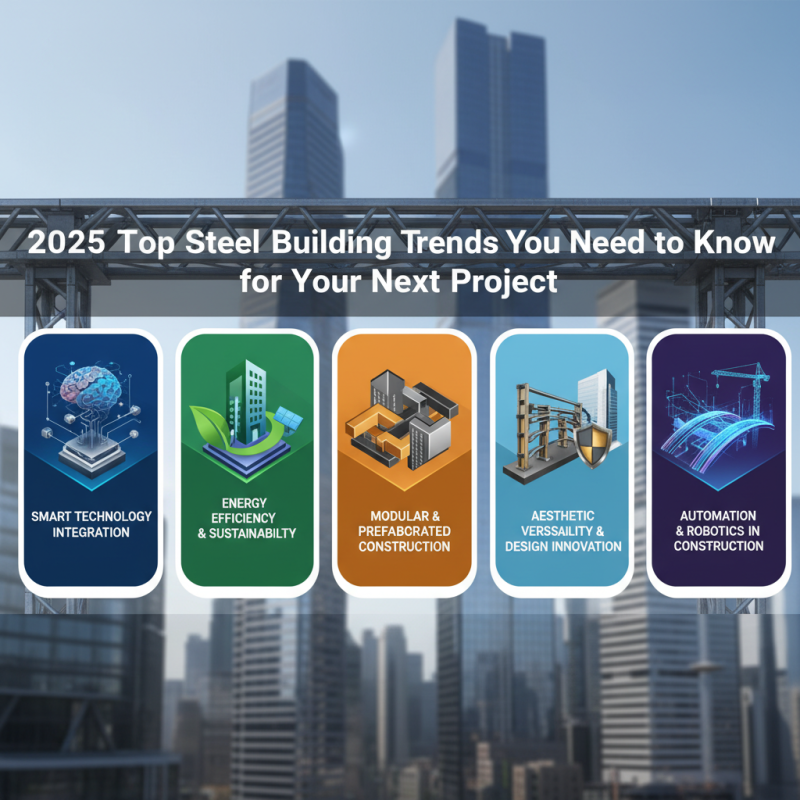
Emerging Technologies in Steel Building Design for 2025
As we look towards 2025, the steel building industry is poised to embrace a wave of emerging technologies that promise to redefine design and construction processes. One key trend is the integration of Building Information Modeling (BIM) with artificial intelligence (AI). According to a report from the American Institute of Steel Construction, projects utilizing BIM can see a reduction of up to 30% in design errors, thus enhancing both efficiency and accuracy in the planning stages. With AI algorithms capable of analyzing vast data sets, architects and engineers can optimize designs to maximize structural integrity while minimizing material waste.
Another notable development is the growing adoption of sustainable practices through technological advancements. The 2023 World Steel Association Report highlights that the steel industry has managed to reduce carbon emissions by approximately 20% over the past decade through the implementation of innovative production techniques and eco-friendly materials. Technologies like carbon capture and storage (CCS) are becoming integral to steel manufacturing, enabling companies to meet stringent environmental standards while also addressing the market demand for sustainable building practices. This shift not only supports global sustainability goals but also positions steel buildings as a competitive choice for environmentally conscious projects in the coming years.
As these technologies evolve, they will undoubtedly shape the future of steel building design, paving the way for smarter, more efficient, and eco-friendly structures. Industry stakeholders must stay informed and adaptable to leverage these innovations effectively in their upcoming projects.
Sustainability Practices and Green Certifications in Steel Construction
In recent years, the steel construction industry has witnessed a significant shift towards
sustainability practices, driven by both environmental concerns
and governmental regulations. According to the World Steel Association, the steel sector accounts for approximately
7-9% of global CO2 emissions, which has prompted industry stakeholders to adopt
innovative approaches to minimize their environmental footprint.
Green certifications, such as LEED (Leadership in Energy and Environmental Design) and BREEAM (Building Research Establishment Environmental Assessment Method),
are increasingly being integrated into steel building projects, guiding developers in choosing materials and processes that promote
energy efficiency and lower emissions.
Moreover, sustainable steel construction often involves the use of recycled materials.
The Steel Recycling Institute reports that more than 90% of the steel produced
in the United States contains recycled content, making it one of the most recycled materials in the world.
This not only reduces the need for new raw materials but also significantly lowers energy consumption during production.
Additionally, innovative building designs that utilize steel for its strength
and durability allow for the creation of energy-efficient structures, further enhancing
the sustainability of projects. As stakeholders prioritize eco-friendly initiatives, understanding these trends and certifications
becomes essential for successfully navigating future steel construction projects.
Innovative Materials Revolutionizing Steel Building Projects
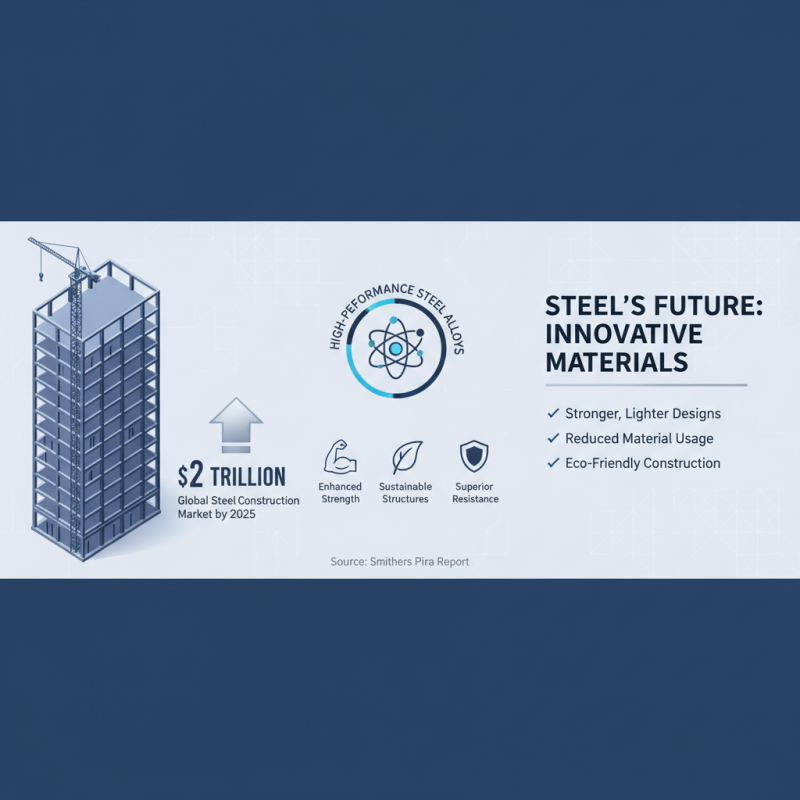
The construction industry is experiencing a significant transformation with the introduction of innovative materials that are reshaping steel building projects. According to a report by Smithers Pira, the global market for steel construction materials is expected to surpass $2 trillon by 2025, driven by advances in design and technology. One of the most notable trends is the integration of high-performance steel alloys, which offer enhanced strength-to-weight ratios and superior resistance to environmental factors. This allows for the creation of more sustainable structures while reducing the overall material usage, addressing growing concerns around resource efficiency.
In addition to alloys, the use of smart materials is becoming increasingly prevalent in steel buildings. These materials can respond to changes in their environment, providing dynamic control over temperature, light, and even sound. For instance, thermochromic coatings can adjust their properties based on heat exposure, leading to improved energy efficiency in buildings. A study from the International Journal of Steel Construction reports that using such intelligent materials could lead to a 30% reduction in energy consumption for heating and cooling, emphasizing their potential in maintaining sustainable construction practices. The fusion of innovation and steel is indeed paving the way for the future of construction, where projects not only stand the test of time but also cater to the evolving demands of society and the environment.
Smart Building Integrations: IoT and Automation in Steel Structures
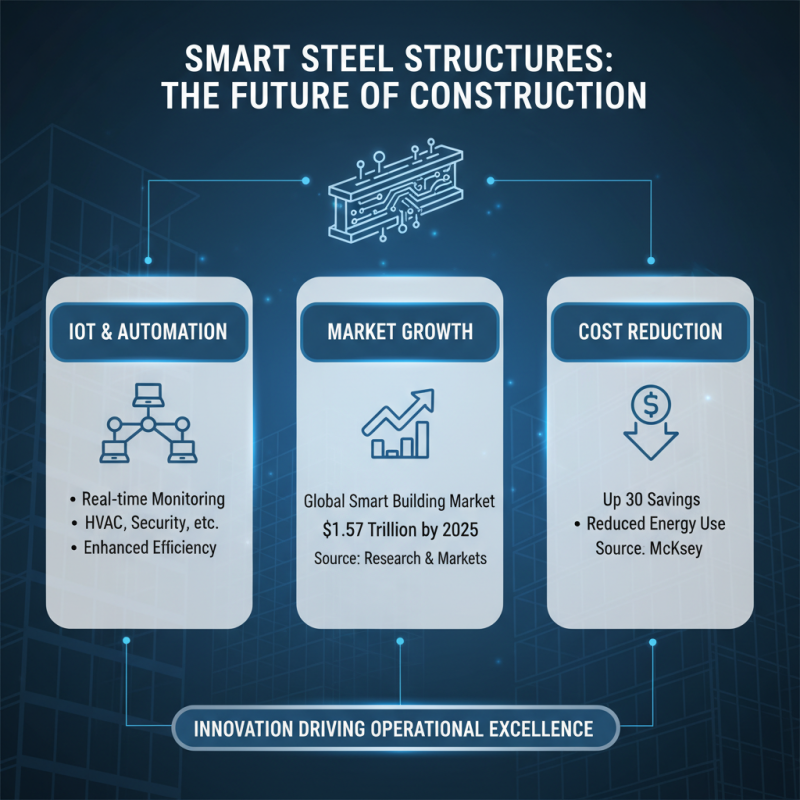
The incorporation of smart building integrations, particularly through the Internet of Things (IoT) and automation, is revolutionizing steel structures. According to a report by Research and Markets, the global smart building market is projected to reach $1.57 trillion by 2025, indicating a significant shift toward intelligent construction solutions. IoT devices enable real-time monitoring and management of various building systems, from HVAC to security, enhancing operational efficiency and reducing energy consumption. For instance, a study by McKinsey highlights that the use of advanced building technologies can reduce operating costs by up to 30%, underscoring the importance of innovation in the construction industry.
Automation systems within steel structures are also gaining traction, providing not just efficiency but also safety improvements. Automated lighting, temperature control, and security systems can be seamlessly integrated into steel buildings, facilitating a responsive environment tailored to occupant needs. The growing trend towards sustainable building practices is supported by smart technologies; a report from the U.S. Department of Energy indicates that energy-efficient buildings can save up to 50% on energy usage compared to traditional buildings. As the construction industry moves into 2025, embracing these smart integrations will be crucial for architects and builders looking to enhance performance, sustainability, and user experience in steel structures.
Adaptable and Modular Steel Designs for Future Needs
The future of steel building design is heavily leaning towards adaptability and modularity, key trends that are reshaping how we approach construction projects. Adapting to the changing needs of occupants and the environment is at the forefront of modern architectural practices. Modular steel designs allow for quick assembly and disassembly, catering to the growing demand for flexibility in urban spaces. This approach not only reduces construction time but also minimizes waste, making it a more sustainable choice for future developments.
With the rise of remote work and fluctuating demographic patterns, the ability to reconfigure spaces without significant investment or resource allocation will be crucial. By integrating adaptable steel structures, architects can easily modify interior layouts to accommodate varying functions, from office spaces to communal areas. This versatility empowers developers to create buildings that serve multiple purposes over their lifespan, ultimately enhancing the value and usability of the structure. As we look toward 2025 and beyond, the focus on adaptable and modular steel designs will undeniably play a significant role in driving innovation and responsiveness in the building industry.
2025 Top Steel Building Trends You Need to Know for Your Next Project
| Trend |
Description |
Benefits |
Implementation Year |
| Adaptable Designs |
Structures that can be modified for different uses. |
Cost-effective, flexible space utilization. |
2025 |
| Modular Construction |
Prefabricated sections assembled on-site. |
Reduced construction time and waste. |
2024 |
| Sustainable Materials |
Utilizing recycled and eco-friendly steel. |
Lower environmental impact and compliance with green standards. |
2025 |
| Smart Buildings |
Integration of IoT for building management. |
Enhanced efficiency and user experience. |
2024 |
| Energy Efficiency |
Designs focused on lower energy consumption. |
Reduced operating costs and environmental benefits. |
2025 |
Cost-Effective Solutions Using Steel in Modern Construction
The construction industry is witnessing a paradigm shift towards cost-effective solutions, and steel is at the forefront of this transformation. With a growing emphasis on sustainability and efficiency, the demand for steel buildings is projected to rise significantly. According to the Global Steel Construction Market report, the steel construction sector is expected to reach a valuation of $500 billion by 2025, highlighting the material’s increasing adaptability and economic advantages. As builders look for methods to reduce costs without compromising on quality, steel emerges as a viable option due to its durability, ease of installation, and low maintenance requirements.
Utilizing steel in modern construction not only offers cost savings but also helps in achieving faster project completions. The Steel Construction Institute notes that projects utilizing steel framing can be completed up to 20% faster than traditional building methods. This efficiency is crucial in an era where timelines directly impact profitability. Additionally, the recycling capabilities of steel contribute to its appeal; statistics show that about 90% of steel is recycled, further enhancing its status as a sustainable choice in construction practices. As the industry pivots towards more efficient and eco-friendly solutions, the integration of steel in building projects continues to redefine the landscape of modern construction.
Safety Enhancements and Compliance Trends in Steel Buildings
In the ever-evolving landscape of construction, safety enhancements and compliance trends in steel buildings are increasingly becoming integral to project planning and execution. As the demand for steel structures grows, it’s crucial for builders and architects to stay updated on the latest safety regulations and compliance standards. This focus not only protects workers on-site but also ensures the longevity and resilience of the structures being built.
One major trend is the integration of advanced technologies for safety monitoring systems. These innovations often incorporate real-time data collection and analysis to identify potential hazards before they escalate, significantly minimizing risks. Moreover, many companies are adopting rigorous training programs that emphasize the importance of safety in steel construction. Understanding and adhering to best practices can lead to a safer work environment and reduce insurance costs.
Tips: Incorporate regular safety audits into your project schedule to ensure compliance with the latest regulations. Additionally, consider investing in safety technology that provides alerts on potential dangers on-site. Engaging workers in safety discussions can foster a culture of awareness and accountability, further enhancing safety measures within the steel building industry.
Conclusion
The article "2025 Top Steel Building Trends You Need to Know for Your Next Project" highlights the transformative trends shaping the future of steel construction. It explores emerging technologies that are enhancing steel building design, focusing on innovative materials that are revolutionizing the industry. Sustainability is a key theme, with a spotlight on green certifications and practices that reduce environmental impact.
Additionally, the article discusses smart integrations, showcasing how the Internet of Things (IoT) and automation are becoming integral in steel structures. Adaptability and modular designs are increasingly vital for addressing future needs, while cost-effective solutions using steel offer significant advantages in modern construction. Safety enhancements and compliance trends are also emphasized, ensuring that steel buildings not only meet regulations but also provide secure environments.